
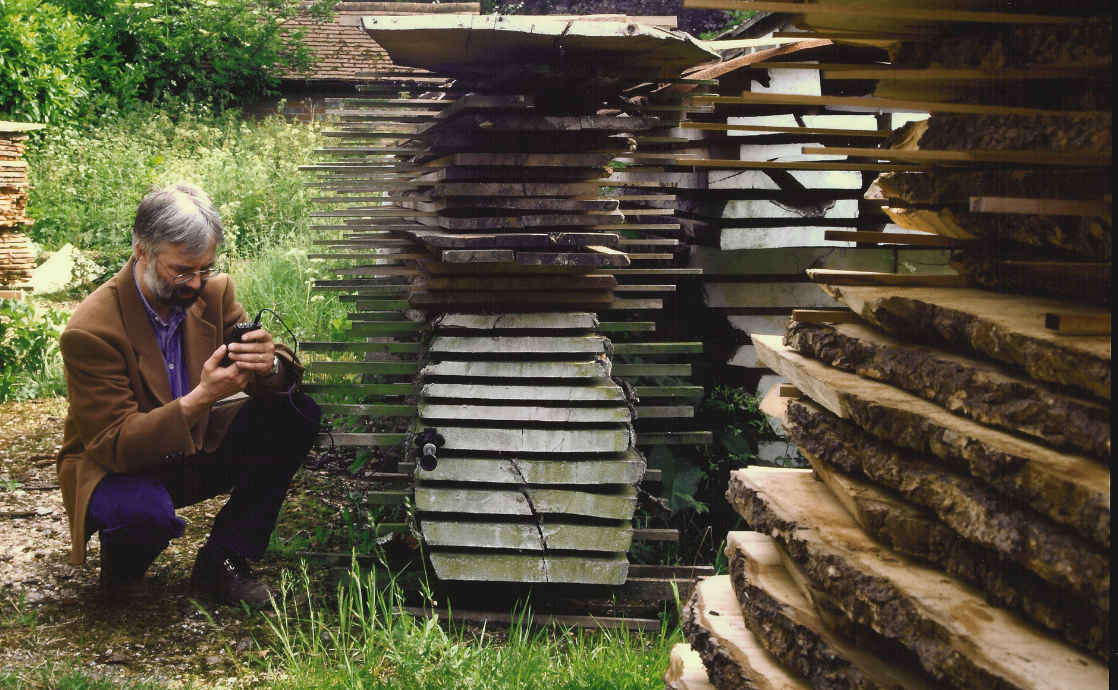
In an ever-evolving world that increasingly prioritizes sustainable practices, the intersection of creativity and responsibility invites a provocative inquiry: How can one navigate the delicate balance between artistic expression and ecological stewardship? This question serves as both a catalyst for reflection and a potential challenge faced by artisans and crafters. The Bahá’í teachings provide profound insights that can guide individuals seeking to foster a sustainable crafts practice while remaining true to their artistic visions.
The Bahá’í Faith emphasizes the importance of unity, service, and justice, principles that are paramount in addressing the pressing challenges of ecological degradation. When considering sustainable crafts, one must first introspectively assess the materials employed in their craft. Opting for ethically sourced and environmentally friendly materials is not just a responsibility but a commitment to harmonizing artistic endeavors with ethical imperatives. This decision necessitates a deeper understanding of the ecological implications of various materials, from synthetic fabrics that harm the environment to organic fibers that support sustainable agricultural practices.
As artisans delve into the philosophy of sustainability, they may find themselves grappling with the question of creativity versus convention. An intriguing proposition emerges: Can traditional crafting techniques coexist with contemporary sustainable practices? Indeed, the Bahá’í teachings encourage the exploration of innovation and creativity in service to humanity. Therefore, crafters might explore methods that reinterpret age-old techniques employing sustainable materials and modern aesthetics. This dialogue between past and present enriches the practice while fostering respect for cultural legacies.
Furthermore, sharing knowledge and skills within the community exemplifies the Bahá’í principle of service. Collaboration among crafters can lead to a tapestry of ideas that not only beautify but also educate. Workshops and co-creation spaces can become fertile grounds for cultivating sustainable practices while promoting the value of shared resources. By engaging in mentorship and cooperative efforts, artisans can perpetuate a culture of sustainability, ensuring that their practices thrive in a supportive environment.
The importance of conscious consumption is another integral facet of sustainable crafts. As Bahá’ís advocate for justice, it is essential to consider the implications of overconsumption and waste within the crafting community. Artisans can encourage mindful practices by promoting the ethos of “reduce, reuse, and recycle.” This approach not only minimizes environmental impact but also inspires innovative solutions. For instance, repurposing discarded materials can lead to unique, one-of-a-kind creations that embody the spirit of sustainability.
In alignment with Bahá’í principles, the concept of stewardship extends beyond individual practice to encompass communal responsibility. As crafting practices evolve, there arises a collective opportunity to raise awareness about ecological issues. Participating in local and global movements that champion environmental protection can amplify the impact of individual actions. This interconnectedness of purpose reinforces the Bahá’í belief in the oneness of humanity and the importance of collective global efforts to address spiritual and material challenges.
Moreover, integrating sustainability into the marketing and storytelling aspect of crafts can effectively engage consumers. Artisans are in a unique position to educate their audience about the journey of their materials, the ethical considerations involved, and the significance of sustainable practices. By crafting a narrative that resonates with conscious consumers, artisans can foster a deeper connection with their work, instilling a sense of value and purpose in each creation.
As we contemplate the artistry and ecological considerations within crafting, three questions arise: How can artisans maintain authenticity while adapting to sustainable practices? In what ways can the community uphold mutual assistance in this journey? And finally, how does one’s craft privilege narrative impact broader ecological conversations? Explorations of these inquiries encourage a comprehensive approach to sustainable crafts.
Developing a personal mission statement reflecting one’s values and aspirations can also delineate the path toward a sustainable crafts practice. This guiding statement serves not merely as an inspiration but as a framework for decision-making. As artisans encounter dilemmas regarding materials, techniques, or business practices, this mission statement can help orient their choices. In doing so, it fortifies the alignment between personal beliefs and professional actions.
While the path to sustainability can present myriad challenges, the gratification of creating beautiful, meaningful work that honors the Bahá’í tenets of service and responsibility offers substantial rewards. The journey may not be linear; instead, it encompasses introspection, experimentation, and adaptation. Each step resonates with the conviction that creativity and ecological mindfulness can flourish in tandem. By embracing this challenge, crafters contribute not only to the vibrancy of their communities but also to the healing of a world that yearns for balance and sustainability.
In conclusion, the endeavor of designing a sustainable crafts practice rooted in Bahá’í principles requires a thoughtful confluence of creativity and responsibility. By reflecting on material choices, fostering community collaboration, promoting conscious consumption, and crafting compelling narratives, artisans can carve out a niche that marries their artistic ambitions with a commitment to the well-being of the planet. The playful challenge posed at the outset serves as a guiding light—encouraging all crafters to venture “out of the woods” and into a future where sustainability is not merely an aspiration but a tangible reality.
