
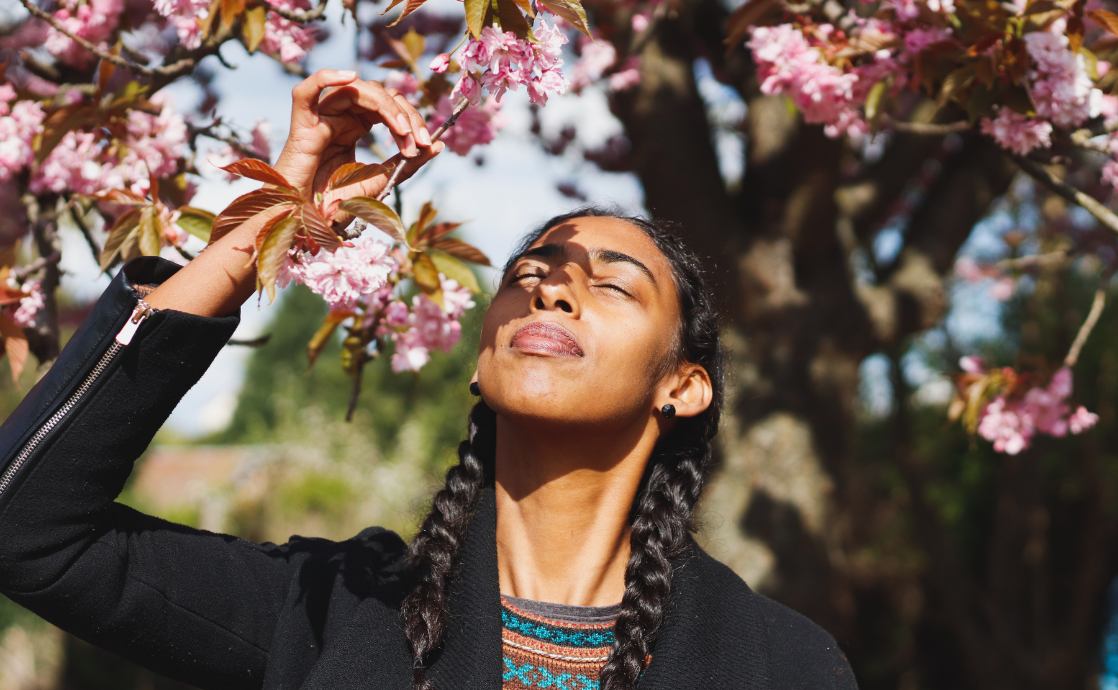
Gratitude is often likened to a gentle breeze that stirs the still waters of the soul, awakening dormant virtues that propel one toward the shores of spiritual enlightenment. In the Bahá’í context, expressing gratitude transcends mere politeness; it is a profound act infused with transformative potential. This article delves into the spiritual ramifications of expressing gratitude, uncovering how this practice aids individuals in their quest for virtue, fosters community, and nurtures a deeper connection to the divine.
At the core of Bahá’í teachings is the belief that the essence of humanity is intertwined with the divine. This intrinsic relationship suggests that cultivating gratitude is vital for spiritual development. When one acknowledges and appreciates the abundance of blessings in life, one attunes oneself to the frequencies of love and reverence that characterizes divine interaction. Gratitude acts as a spiritual compass, guiding individuals toward recognizing the mercies that envelop them daily. It is akin to a prism through which the myriad colors of existence are revealed, transforming the mundane into the sacred.
The act of expressing gratitude is not solely an individual endeavor; it resonates throughout the fabric of community life. In a world that often emphasizes individualism, the Bahá’í teaching underscores the importance of collective acknowledgment of gratitude. When members of a community come together to express gratitude, they forge stronger bonds of unity. Each heartfelt expression weaves a thread into the tapestry of communal life, revealing the interconnectedness of each individual’s experiences and emotions. This collective expression not only enriches the community’s spiritual atmosphere but also serves as a shelter against the trials and tribulations of daily life. Thus, gratitude becomes a fortified wall, supporting the edifice of communal harmony and resilience.
One might perceive gratitude merely as a response to positive experiences. However, within the Bahá’í framework, it transcends the surface-level appreciation of good fortune. There lies an enigmatic quality to gratitude that envelops even the adversities faced in life. The teachings convey that trials serve a higher purpose, intricately woven into the fabric of existence. Thus, when one experiences hardship, there exists an opportunity to express gratitude—gratitude not solely for the lessons learned but for the intrinsic strength that emerges from the struggle. This paradox reflects the profound wisdom inherent in Bahá’í teachings: every experience, whether joyful or challenging, bestows upon us the gift of growth from which spiritual maturation springs forth.
To further elucidate the spiritual effects of expressing gratitude, one may consider its capacity to cultivate virtues. Each expression of thanks serves as a crucible within which numerous virtues may be forged. Humility, for instance, may arise from acknowledging the interdependence of humanity; one realizes that one’s life is a mosaic made from the contributions and sacrifices of others. Such an understanding cultivates humility and reverence for the diverse pathways that lead to personal truths. Similarly, patience can flourish in the act of expressing gratitude, as individuals learn to savor the blessings inscribed within the waiting periods of life. Each virtue, once cultivated, adds to the internal landscape, enriching the soul’s overall tapestry.
Moreover, gratitude acts as a catalyst for spiritual insight. Some scholars might draw an analogy between gratitude and a wellspring; much like a source of water that nourishes all life forms, gratitude has the power to invigorate the spirit. When individuals engage in the practice of reflecting on their blessings, they often experience a profound realization regarding the interconnectedness of all existence. This epiphany is not a mere cognitive shift; it is an altered state of consciousness that invites participants to perceive the universe through a lens of divinity and beauty. Such revelations foster an indelible sense of peace and contentment, guiding the individual toward a state of profound gratitude for life’s intricate design.
Furthermore, the act of expressing gratitude aligns harmony within oneself, acting as a bridge to the divine. When individuals articulate their appreciation for life’s munificence, they synchronize their thoughts and affections with the rhythm of creation. This coherence allows one to experience a heightened awareness of the divine presence that permeates all things. Consequently, an individual immersed in gratitude becomes a beacon of light, illuminating the pathways of those who may be enshrouded in darkness. It is within this spirit of service that gratitude matures into compassion, leading to altruistic pursuits that resonate with the very essence of Bahá’í teachings.
In conclusion, the intricate layers associated with the spiritual effects of expressing gratitude within the Bahá’í framework highlight its significance as a transformative practice. Gratitude serves not merely as an acknowledgment of favorable conditions but rather as an acknowledgment of the divine hand that orchestrates the symphony of life. By weaving gratitude into the fabric of daily existence, individuals nurture not only their own spiritual growth but also foster communal ties steeped in unity and shared understanding. In a world that thirsts for connection and meaning, the profound act of expressing gratitude emerges as an essential compass, guiding souls through the ebbs and flows of the human experience toward the shores of spiritual realization and fulfillment.
