
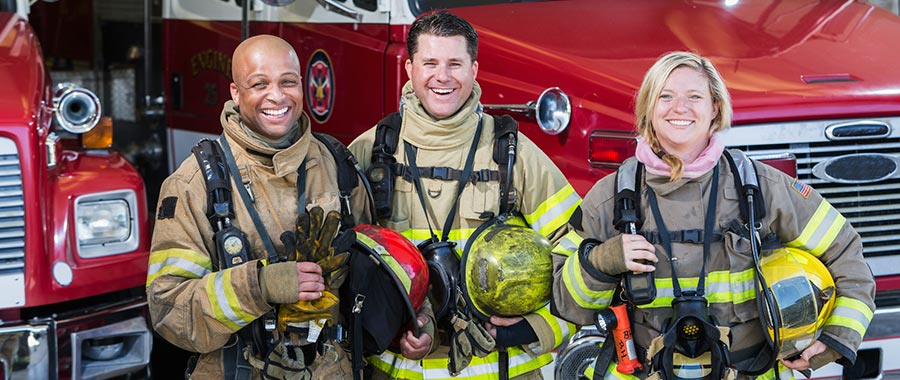
The realm of emergency response embodies an array of challenges, necessitating a profound resilience among those who dedicate their lives to protecting others. Within the Bahá’í framework, the Spiritual Qualities of First Responders represent an ethos steeped in service, compassion, and courage. This article delves into these spiritual qualities, elucidating their significance and application in the lives of individuals in high-stakes environments.
1. **Selflessness**
At the heart of the Bahá’í teachings is the principle of selflessness. First responders exemplify this quality by prioritizing the well-being of others over personal concerns. In crisis situations, where seconds can mean the difference between life and death, the capacity to relinquish personal fears and anxieties is indispensable. This selflessness not only enables first responders to act decisively but also fosters a sense of unity and trust within the communities they serve.
2. **Empathy**
Empathy, the ability to understand and share the feelings of others, is crucial in the demanding field of emergency response. First responders often encounter individuals experiencing profound distress, requiring a nuanced appreciation of human emotions. In the Bahá’í view, empathy transcends mere sympathy; it encompasses a genuine connection to the suffering of others. This quality allows first responders to provide not only physical assistance but also emotional support, establishing a rapport that can significantly impact recovery and healing.
3. **Courage**
Courage, the fortitude to confront fear, is a defining characteristic of first responders. The Bahá’í teachings extol courage not merely as an act of physical bravery but as a moral imperative, emphasizing the importance of standing firm in the face of adversity. For first responders, displaying courage translates into a willingness to enter perilous situations to safeguard lives. This quality can inspire those around them, creating a ripple effect of bravery within the broader community. Indeed, courage fosters resilience, encouraging collective strength that is indispensable during emergencies.
4. **Compassion**
Rooted in love and kindness, compassion is another pillar of Bahá’í ethics parallelly woven into the fabric of emergency response. First responders frequently engage with individuals in their most vulnerable state, necessitating a compassionate approach. The ability to extend kindness, listen empathetically, and provide solace can alleviate the immediate suffering faced by victims. Furthermore, this quality enriches the responder’s own experiences, cultivating a deeper sense of purpose and fulfillment in their challenging roles.
5. **Resilience**
Resilience embodies the capacity to rebound from adversity and maintain a positive outlook amidst hardship. The Bahá’í perspective encourages individuals to cultivate resilience not only for personal growth but also as a means to enhance community stability. First responders are often exposed to traumatic events that can lead to burnout or desensitization. Developing resilience enables them to process these experiences constructively, ensuring they can continue to serve effectively while maintaining their mental well-being.
6. **Unity and Collaboration**
In accordance with the Bahá’í teachings regarding the oneness of humanity, unity and collaboration are vital in emergency response settings. First responders must often collaborate with various agencies, organizations, and community members to achieve optimal outcomes. This quality underscores the importance of mutual respect and the synergy that arises when diverse groups work together to serve a common purpose. A cohesive response team that embodies unity can address crises with enhanced efficiency and effectiveness.
7. **Integrity**
Integrity encompasses adherence to moral and ethical principles, a cornerstone of the Bahá’í faith. First responders are often entrusted with significant responsibilities and sensitive information, requiring them to act with honesty and integrity. This spiritual quality fosters trust between responders and the communities they serve. Residents are more likely to perceive responders as credible allies when they consistently demonstrate integrity in their actions and decisions. Such trust is paramount in fostering collaboration in crisis situations.
8. **Commitment to Continuous Learning**
The pursuit of knowledge and continuous personal development are vital concepts in Bahá’í doctrine. First responders must commit to ongoing training and education to enhance their skills in a rapidly evolving field. The capacity to adapt to new technologies and methodologies is crucial in modern emergency response, underscoring the importance of lifelong learning. This dedication not only improves their effectiveness in the field but also manifests a commitment to the principles of service and competence, key aspects of the Bahá’í faith.
Conclusion
As articulated within Bahá’í teachings, the spiritual qualities cherished by first responders serve as guiding principles for those in the field of emergency response. These qualities—selflessness, empathy, courage, compassion, resilience, unity, integrity, and commitment to continuous learning—are essential not only in navigating the immediate challenges that arise during crises but also in fostering long-term community healing and growth. By embracing these spiritual attributes, first responders reinforce their roles as both protectors and stewards of humanity, ultimately contributing to a legacy of love and service that resonates deeply within society.