
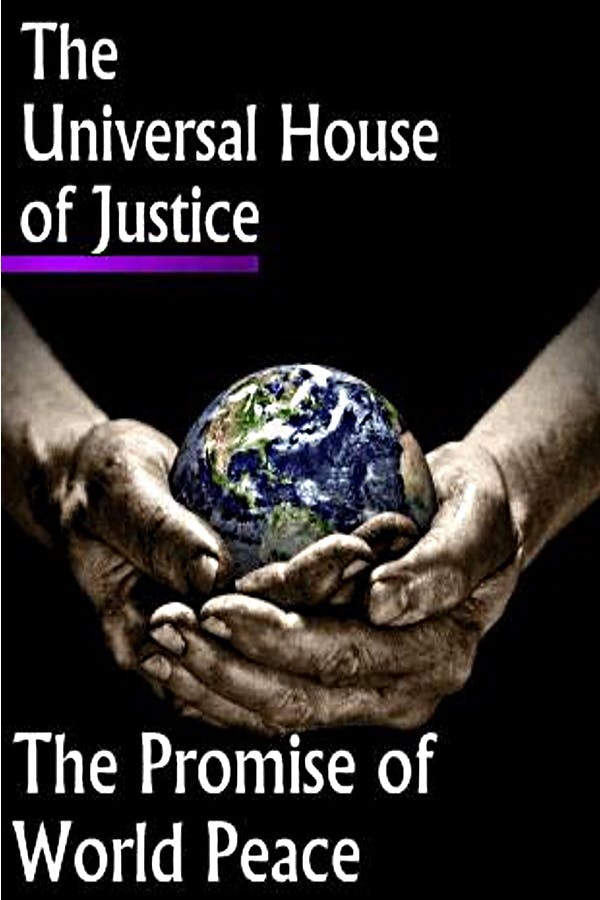
The essence of Bahá’í teachings in relation to the Promise of World Peace unveils a profound and transformative paradigm, emphasizing the quintessential need for unity among humanity. As we delve into this theme, it is crucial to understand that unity transcends mere coexistence. It embodies a comprehensive, multifaceted approach to human relationships, aspirations, and societal structures. This exploration will illuminate the pertinence of unity in fostering an enduring peace, hence engendering a world where individuals thrive collectively.
At the core of the Bahá’í faith lies the principle that humanity is fundamentally one. This assertion challenges the pervasive divisiveness that often emanates from differences in nationality, race, religion, and other social constructs. Thus, the first tenet of unity is the recognition that all human beings, irrespective of their backgrounds, are intertwined in the fabric of existence. This collective identity creates a moral imperative to foster understanding, compassion, and empathy among diverse groups.
Unity is not merely a lofty ideal; it is a prerequisite for global stability and prosperity. In times of conflict, factionalism thrives. The myriad wars and disputes that have plagued civilizations throughout history serve as stark reminders of the devastating consequences of disunity. The Bahá’í teachings propose that sustained efforts toward unity can mitigate these conflicts, transforming adversaries into allies. This transformative potential invites a radical shift in perspective: rather than viewing others as threats or competitors, we are encouraged to see them as partners in the collective quest for peace.
To further elucidate the need for unity, one must consider the concept of interdependence. Just as the cells of a body contribute to its overall health, so too do the individuals in society influence its wellbeing. The Bahá’í teachings emphasize the interconnectedness of all aspects of life, suggesting that our individual actions carry ramifications that extend beyond personal spheres. This perspective compels humanity to act with a sense of collective responsibility. By nurturing unity, we facilitate social systems that promote equity, justice, and a shared destiny.
The implications of unity are particularly salient in the context of education. The Bahá’í faith posits that enlightenment is the bedrock of societal advancement. Education is more than a means to acquire knowledge; it is an avenue for cultivating virtues such as cooperation and respect for others. By fostering inclusive educational environments, we can imbue future generations with the values of unity. Consequently, young individuals equipped with an understanding of the profound necessity of solidarity can become harbingers of the promised peace.
However, the journey towards unity is fraught with challenges. Contextualized within competitive frameworks, societies often promote division as a means of achieving individual or national goals. The teachings advocate for the relinquishing of archaic paradigms that prioritize material advantage over communal harmony. This ideological shift requires rigorous self-examination and a collective commitment to transcend the limitations imposed by ego and prejudice. Achieving this level of consciousness necessitates both individual and systemic transformation.
Religious and spiritual dimensions play a significant role in enhancing the understanding of unity. Many belief systems have propagated division, leading to a culture of sectarianism. The Bahá’í teachings illuminate a path towards reconciling such divides. By embracing a vision that positions faith as a catalyst for unity, rather than discord, individuals can begin to collaborate across religious boundaries. This pluralistic approach engenders dialogue and understanding, nurturing an expansive worldview that embraces the plurality of the human experience.
The Promise of World Peace is further anchored in the establishment of global governance structures that reflect the principles of unity. In a world increasingly interconnected yet fragmented, international institutions must embody the ideals outlined in the Bahá’í teachings. These institutions can facilitate cooperation among nations, fostering dialogue, conflict resolution, and collaborative problem-solving. The establishment of a global framework that prioritizes the common good reaffirms our shared humanity, promoting sustained peace and security.
Moreover, the role of gender equality cannot be overlooked in the pursuit of unity. The Bahá’í writings assert that the progress of societies is inextricably tied to the empowerment of women. Gender equality is not only a moral obligation but a foundational pillar of unity. By dismantling the barriers that impede women’s participation in societal affairs, we invigorate the collective potential of humanity. This holistic approach to unity acknowledges that diversity is a strength rather than a weakness.
As humanity stands at a crossroads, the teachings of the Bahá’í faith illuminate a path forward. Striving for unity is not merely an idealistic endeavor; it is a necessary undertaking for the survival and flourishing of civilization. The call for unity serves as a clarion call, urging individuals to examine their roles within the larger tapestry of human existence. By embracing the principles of unity and interdependence, we unlock the promise of a world where peace prevails, and humanity can thrive harmoniously.
In conclusion, the Promise of World Peace within the framework of the Bahá’í teachings posits that the need for unity is not just an ethical appeal; it is a transformative understanding that invites humanity to rise above its limitations. This understanding fosters a commitment to shared goals and aspirations, urging individuals to work collectively for the betterment of all. Such a perspective, if collectively adopted, can herald a new era of peace and cooperation, as diverse voices join harmoniously in pursuit of a common purpose.
