
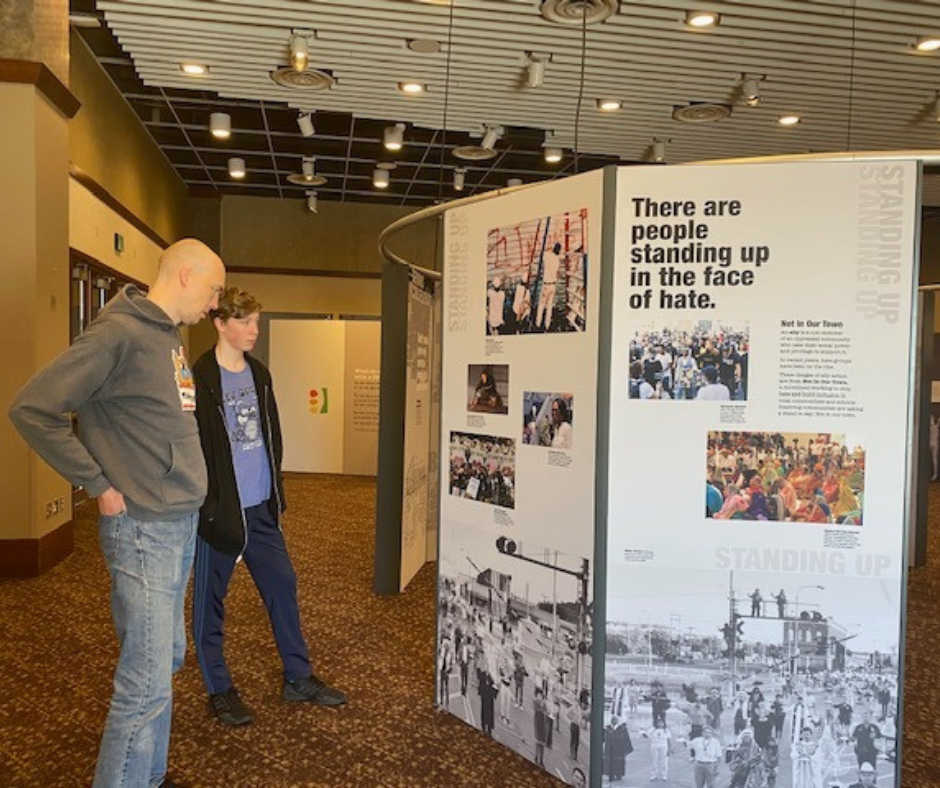
The interactive exhibit titled “The Bias Inside Us,” hosted at the Smithsonian, provides a comprehensive examination of the nuanced and often unseen biases that exist within human cognition. This endeavor aligns harmoniously with the Bahá’í teachings, which emphasize the importance of unity, peace, and understanding among all people. Within this context, the exhibit serves as a catalyst for social discourse and self-reflection, encouraging attendees to confront their implicit biases and explore their implications on interpersonal and societal levels.
First and foremost, the main intention of the exhibit is to illuminate the pervasive nature of bias in various aspects of life. Attendees can expect an engaging experience that unfolds through diverse media formats. Incorporating video installations, interactive displays, and thought-provoking discussions, the exhibit enables visitors to engage with the content on multiple levels. The juxtaposition of engaging storytelling with empirical research creates a rich tapestry of insights about human behavior and societal structures.
One of the key components of the exhibit is its interactive nature. Participants are invited to explore their own biases through various exercises designed to prompt critical thinking and self-assessment. Activities may include interactive quizzes that gauge the extent of one’s biases and multimedia presentations that present real-life scenarios for examination. This participatory format fosters a deeper understanding of how biases manifest in daily interactions and how they can pervade institutional policies and cultural norms.
Moreover, the exhibit does not shy away from challenging difficult topics. Issues such as racial bias, gender inequality, and socioeconomic disparities are confronted head-on. The presentation of data and personal narratives gives attendees a multifaceted perspective on how bias can influence decisions and foster discrimination. This direct approach encourages individuals to reflect on their own behaviors and beliefs, an aspect that resonates closely with Bahá’í principles, which call for the eradication of prejudice in all forms.
In addition to exploring personal biases, the exhibit encompasses broader societal implications. Attendees will encounter discussions surrounding systemic bias and structural inequities, reinforcing the Bahá’í emphasis on collective responsibility. Understanding that bias is not merely an individual failing, but rather a component of larger societal constructs, empowers individuals to engage in contributing to meaningful change. The exhibit thus serves as a microcosm for larger conversations about justice, equity, and the role of the individual in societal progress.
Furthermore, “The Bias Inside Us” exhibit incorporates a variety of educational resources. These materials are designed to facilitate ongoing dialogue beyond the confines of the exhibit space. Visitors may find downloadable content, discussion guides, and additional reading materials, all aimed at fostering sustained engagement with the topic of bias. This provides opportunities for deeper reflection and conversation in both personal and communal spheres, resonating with the Bahá’í commitment to lifelong learning and the pursuit of knowledge.
The integration of technology within the exhibit enhances the visitor’s experience. Augmented reality features allow participants to visualize complex concepts and engage with the content in an immersive manner. Such innovation not only captures the attention of younger audiences but also serves to bridge generational divides in the pursuit of understanding bias. The use of technology reflects the Bahá’í perspective on the harmonious integration of science and religion, demonstrating how modern tools can aid in the quest for truth and unity.
Additionally, the exhibit features contributions from a diverse range of voices. Artists, scholars, and community advocates share their experiences and insights, enriching the narrative presented within the exhibit. This diversity of perspective emphasizes the Bahá’í principle of the oneness of humanity, illustrating how varied backgrounds contribute to a holistic understanding of bias. By fostering inclusivity, the exhibit invites individuals to recognize that every voice is crucial in the dialogue regarding bias and equity.
As visitors navigate through the exhibit, they are also encouraged to engage in communal activities that aim to promote understanding and reconciliation. Collaborative workshops and panel discussions are interspersed throughout the exhibit’s timeline, providing attendees with opportunities to engage with experts and each other. Participants can share their insights and experiences, fostering a sense of community and solidarity, a core tenet of the Bahá’í faith.
Importantly, “The Bias Inside Us” does not present a singular narrative; instead, it encourages visitors to explore the complexities of human behavior and societal norms. The multilayered approach serves to demystify bias, making it an accessible and tangible topic for contemplation. Through creative expression, facilitated discussion, and shared learning, the exhibit empowers individuals to advocate for equity and justice, both in their personal lives and within the wider society.
Ultimately, the interactive experience of “The Bias Inside Us” aligns with the Bahá’í aspiration to create a world that is united in diversity. By fostering a deeper understanding of bias and its implications, the exhibit provides a comprehensive platform for dialogue and action. In an age marked by division and misunderstanding, the insights gleaned from such experiences are invaluable, inspiring individuals to transcend personal and collective biases in the pursuit of global harmony and unity. The convergence of art, science, and spirituality embodied in this exhibit echoes the Bahá’í path toward building a just and peaceful society.