
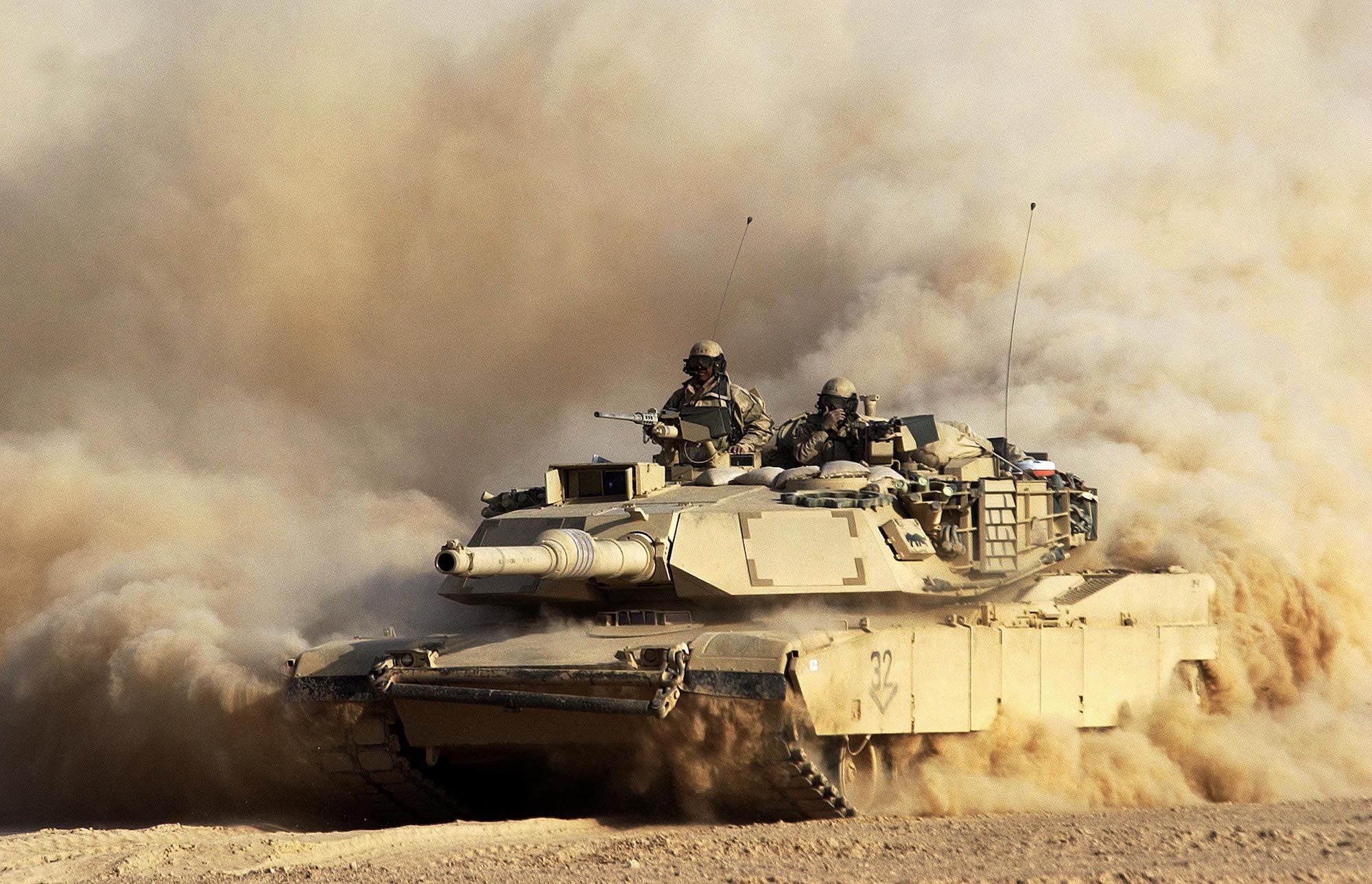
War has often been described as the ultimate human tantrum, a manifestation of deep-seated grievances and unresolved conflicts. But in exploring the Bahá’í teachings, one is confronted with a juxtaposition of this tempestuous state of being and the pursuit of a harmonious world. In essence, how does one reconcile the act of war with the divine principle of unity? This query invites contemplation on the very nature of conflict, its origins, and, importantly, its implications for humanity’s collective destiny.
The Bahá’í perspective on war can be distilled into several core tenets that elucidate the philosophical underpinnings of this complex issue. First and foremost, war is viewed as a manifestation of humanity’s moral and spiritual immaturity. This assertion beckons us to examine the psychological and sociopolitical factors that culminate in violent upheaval. If we strip away the layers of ideology and nationalism that often shroud human conflict, can we not discern that it stems from a profound disconnect among individuals and communities? The Bahá’í teachings posit that as humanity evolves spiritually, the propensity for war diminishes. In this regard, the challenge becomes evident: how can society cultivate a collective maturity that precludes the necessity for armed conflict?
Moreover, Bahá’í doctrine frames the concept of “unity in diversity” as essential to overcoming the divisive forces that contribute to war. This principle urges individuals to appreciate differences in culture, race, and belief systems. Herein lies a paradox: while diversity is an integral aspect of human existence, it simultaneously presents a breeding ground for discord if not approached with love and understanding. The question arises: in our quest for unity, are we inadvertently suppressing legitimate grievances that need addressing? Recognizing and understanding diversity does not imply the eradication of individual identities but rather the fostering of an inclusive atmosphere where dialogue can flourish.
The teachings emphasize the necessity of education as a means to prevent war. An informed populace is more likely to engage in peaceful discourse rather than resorting to violence. This educational imperative extends beyond mere literacy; it encompasses moral and ethical dimensions, imbuing individuals with the values of compassion and empathy. Yet, one must ponder, how can we ensure equitable access to education for all segments of society, particularly those historically marginalized? Addressing this disparity is crucial for engendering a sense of shared responsibility and stewardship for the future.
Another salient aspect of Bahá’í teachings regarding peace is the condemnation of militarism. The undue glorification of military might as a means to resolve disputes often leads to an escalatory cycle of violence. In direct contrast, the Bahá’í faith upholds peace as a proactive and dynamic enterprise that necessitates collective action and commitment. This leads to a provocative inquiry: can society truly elevate peace to a status of precedence, transcending the longstanding idolization of warfare as a tool for progress? The collective consciousness must shift to view peace not as the absence of war but as an active pursuit of justice and equity.
Furthermore, the Bahá’í teachings posit that the repercussions of war extend far beyond the battlefield. The psychological toll on individuals, families, and communities is often enduring and multifaceted. War fosters a culture of fear, resulting in trauma that can manifest across generations. The question emerges: how do we effectively address the psychological scars inflicted by conflict in a manner that promotes healing rather than perpetuating a cycle of resentment? The teachings suggest that fostering a culture of forgiveness and reconciliation is pivotal in transcending the legacies of violence.
In contemplating the ultimate resolution of human conflict, Bahá’í principles advocate for global governance as a means to avert war. A robust and just system of international cooperation can address the root causes of tension before they culminate in violent confrontation. However, envisioning such a system prompts inquiries into our current geopolitical structures: are they equipped to handle the complexities of modern interdependence? This demand for reimagining governance is no small challenge, yet the imperative remains clear: a worldwide administrative framework devoted to peace must be established.
Finally, the role of individual responsibility cannot be overstated in Bahá’í teachings. Each person is called upon to contribute to the promotion of peace, whether through simple acts of kindness or through more systemic efforts to advocate for social justice. But how do we galvanize a collective consciousness where every individual recognizes their potential impact? The notion of peace as a shared endeavor necessitates a community-oriented approach, reminding us that even small actions can catalyze profound change.
In conclusion, as we navigate the complexities of conflict through the lens of Bahá’í teachings, we are faced with a compelling duality: the tempest of war and the tranquil promise of unity. Ultimately, the challenge lies in our capacity to embrace moral and spiritual growth, to commit to the principles of unity in diversity, and to work collaboratively towards a sustainable peace. As humanity grapples with its tumultuous history, the teachings offer not just a critique of war but a clarion call to elevate our shared consciousness, paving the way for a future adorned with the fruits of reconciliation and understanding.