
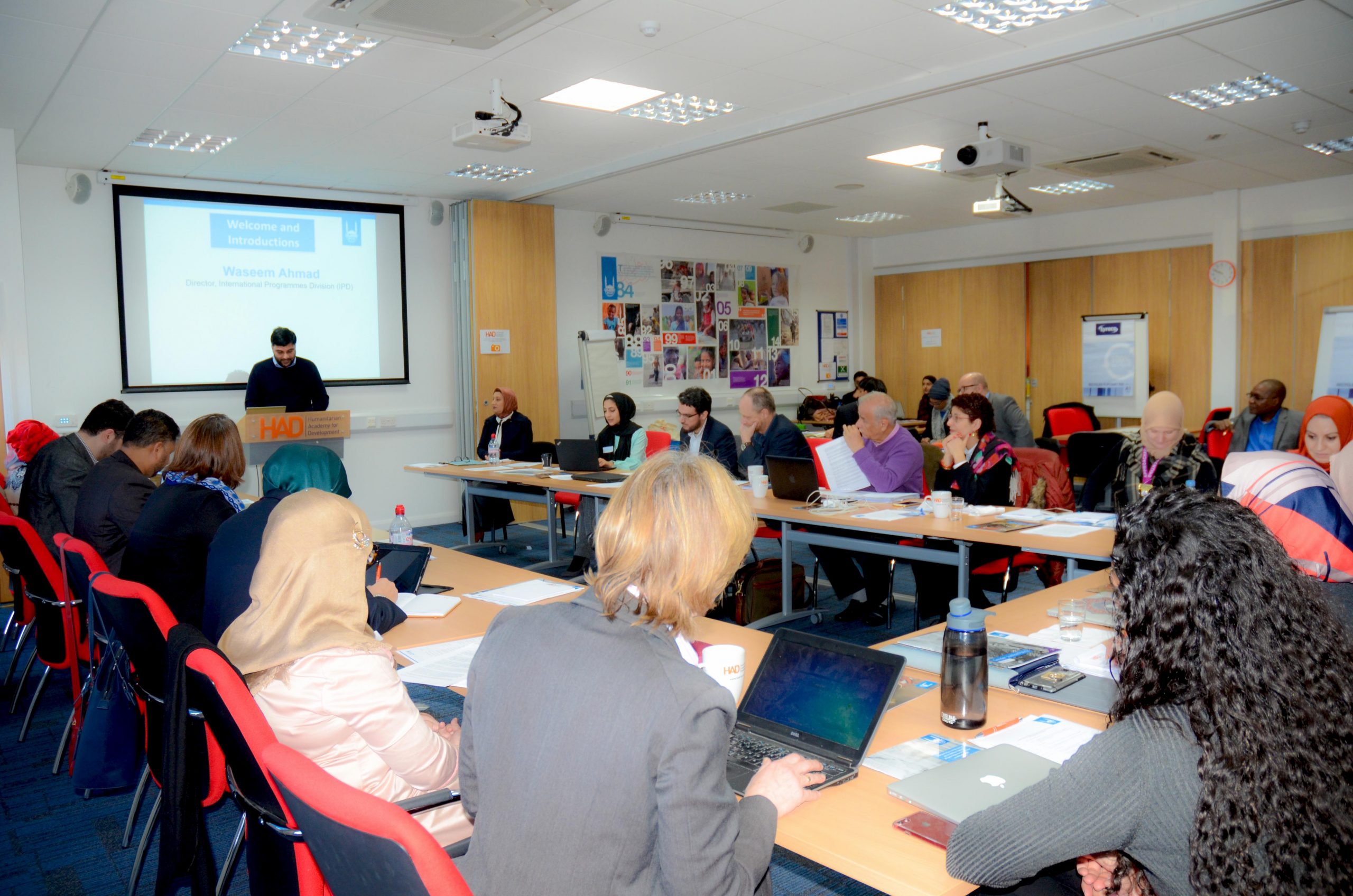
In the luminous tapestry of human existence, the pursuit of justice emerges as a beacon of hope, guiding souls through the murky waters of discord and inequality. The Bahai teachings encapsulate this pursuit within the profound practice of consultation. This approach invites participants into a harmonious arena, fostering collaboration and understanding. Yet, what precisely unfolds in the aftermath of such deliberations? The essence of the Bahai principle of consultation illuminates this intricate journey toward justice.
Consultation, in the Bahai context, transcends mere dialogue; it forms an artistic confluence of diverse perspectives. Much like the weaving of a vibrant Persian rug, each thread represents a unique viewpoint, intricately bound together to create a more comprehensive whole. Within this collective framework, the sharing of ideas becomes a sacred act—an exchange imbued with reverence and integrity.
At the inception of this journey, humility emerges as a cornerstone. To engage in consultation, one must approach the table devoid of egoism, surrendering preconceived notions and biases. This relinquishment of self is akin to shedding the skin of a serpent, allowing for renewal and growth. Participants are called upon to listen with active hearts and minds, recognizing that every voice holds intrinsic value. The Bahai teachings emphasize the importance of creating a conducive atmosphere where all individuals feel empowered to contribute, ensuring that even the quietest murmurs are acknowledged alongside roaring proclamations.
The role of intention cannot be overstated in this process. It serves as the compass guiding participants through the maze of ideas and emotions. When intentions are rooted in the desire for justice and unity, the outcomes tend to reflect these noble aspirations. Participants engage not merely for personal victory, but for the collective advancement of humanity. This altruistic vision energizes the consultation, infusing it with purpose and vitality.
As discussions unfold, the metaphorical palette of human experience broadens. Individuals share personal anecdotes, historical insights, and even philosophical theories, enriching the dialogue with a tapestry of narratives. Here, consultation catalyzes transformation, enabling individuals to transcend their individual experiences, forging connections with others. The varied hues of perspectives combine to enhance the understanding of justice, painting a picture that is far more nuanced than any singular viewpoint could provide.
However, the path of consultation is seldom devoid of challenges. Disagreements may arise, conflicts may surface, mirroring the tumultuous waters of a stormy sea. Yet, rather than shying away, Bahai teachings advocate for the embrace of these challenges. Strife can catalyze deeper understanding, if approached with an open heart. Here lies the crucial interplay between conflict and resolution—the friction of diverse opinions can ignite sparks of creativity, illuminating innovative pathways forward.
As participants navigate the rocky terrain of dissent, the practice of detachment assumes paramount importance. To remain disengaged from personal stakes fosters an environment conducive to sincere exploration of ideas. Detachment does not signify indifference; rather, it nurtures an atmosphere where truth can emerge unimpeded by individual biases. Like a sculptor meticulously chipping away at marble, participants uncover the essence of justice buried beneath layers of contention.
Following these engaging dialogues, the question of “What happens next?” looms large. The essence of consultation is a commitment to action—transforming deliberations into concrete outcomes. The decisions reached transcend mere agreements; they evolve into sacred obligations. Each participant becomes a steward of collective resolutions, charged with the responsibility of implementing the agreed-upon actions.
This transition from consultation to action echoes the cyclical nature of time—a continuous ebb and flow where each stage informs the next. As the ripples of decisions reverberate through communities, they create waves of positive change. The act of implementing justice is akin to planting seeds in fertile soil; each decision nurtured with care has the potential to flourish into transformative movements, fostering peace and reconciliation among diverse groups.
Moreover, the ripple effect of consultation extends beyond individual communities. It reverberates globally, creating an interconnected web of justice seekers united in purpose. Bahai teachings illuminate the notion that the quest for justice is inherently collective; each ripple contributes to a larger wave of transformation. As individuals embrace the call to action, they become agents of positive change, dismantling barriers and championing equality.
The beauty of Bahai consultation lies in its inherent adaptability. The principles guiding this practice can be applied to multifaceted contexts, from personal relationships to global initiatives. They invite every individual, regardless of background, into the conversation. In cultivating an environment of respect and equity, justice transcends boundaries, echoing the teachings of unity that underpin Bahai beliefs.
Ultimately, the journey through consultation is a testament to humanity’s shared pursuit of justice—a symphony where each note represents an individual contribution yet aligns to create a cohesive melody. In navigating what happens next, participants honor the rich legacy of the Bahai teachings, emerging as architects of justice. This transformative process evolves within the embrace of consultation, guiding souls from the depths of discord toward the radiant shores of unity and understanding.