
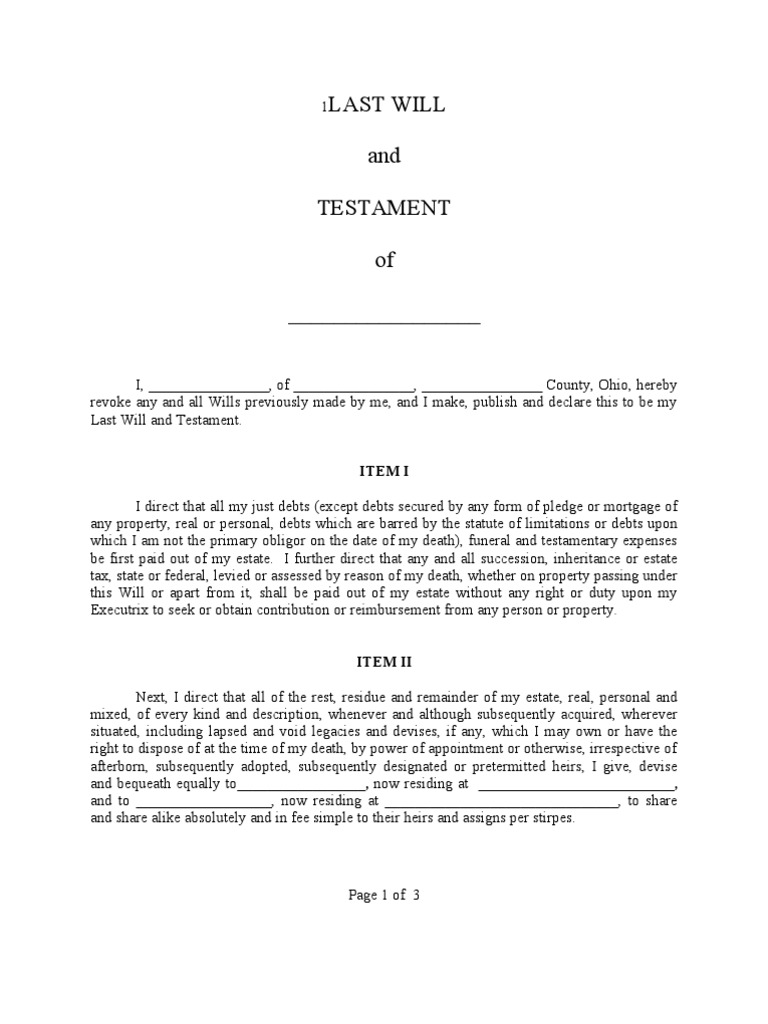
The notion of preparing a will and testament may evoke a sense of discomfort for many. After all, contemplating one’s own mortality is a challenging endeavor. Yet, for individuals seeking guidance through the Bahá’í teachings, this undertaking transforms into a thoughtful reflection on legacy, responsibility, and spiritual fulfillment. What essential components should a Bahá’í will and testament incorporate to embody these values? Delving into the intricacies of this question unveils a roadmap for navigating the delicate process of bequeathing one’s earthly possessions while adhering to Bahá’í principles.
To commence, a will ought to encompass a comprehensive declaration of one’s intentions. This includes a clear identification of beneficiaries—those whom one wishes to receive specific assets or legacies. In the Bahá’í context, this step transcends mere distribution of material wealth; it serves as an opportunity to express love and equity within the family and community. Clarity in this aspect ensures that intentions are understood, mitigating potential conflicts that could arise in the wake of one’s passing.
Next, an individual should contemplate the designation of an executor. This role is pivotal, as the executor is entrusted with the responsibility of managing the estate. In selecting a suitable candidate, one should prioritize integrity, organizational skills, and a deep understanding of Bahá’í values. The executor should be someone who can navigate the complexities of estate management while exhibiting compassion and fairness, traits highly esteemed in Bahá’í teachings.
Moreover, it is imperative to address any debts or obligations within the will. Fulfilling financial responsibilities is not merely a legal formality in the Bahá’í faith but a moral imperative. A well-crafted will should include provisions for the repayment of debts to ensure a clear conscience and uphold the principle of justice. This act reflects the Bahá’í commitment to honesty in all dealings, even in matters that extend beyond the individual’s lifetime.
In the spirit of Bahá’í teachings, it is also prudent to consider spiritual legacies within the will. This may take the form of bequeathing funds or properties to institutions such as the Bahá’í community or charitable organizations that reflect one’s values. This approach reinforces the idea that one’s legacy should extend beyond personal gain; instead, it should contribute to the advancement of society and the betterment of humanity. Engendering this sense of altruism enriches the narrative of an individual’s life and encourages an enduring impact on future generations.
Furthermore, it can be meaningful to articulate personal wishes regarding spiritual practices and rituals following one’s departure. In a Bahá’í context, this might encompass preferences for funeral arrangements or memorial services that align with one’s beliefs. Specifying such wishes allows loved ones to honor these desires while celebrating the individual’s life in a manner consistent with Bahá’í principles. Techniques like sharing quotes from Bahá’í texts can enhance the celebratory remembrance, thus intertwining individual identity with community support even after death.
In this regard, how does one wish to be remembered? Contemplating this question can lead to a robust guideline when drafting a will. Expressions of gratitude, love, and reflections on cherished relationships can be woven into the document, offering a more profound emotional connection to the beneficiaries. Such reflections do not constitute a legal advantage but provide invaluable spiritual closure for survivors, ultimately fostering healing and unity among loved ones.
Another crucial element to consider is the role of education and guidance in the will. As a foundation for personal growth, empowering descendants with financial literacy and the principles of responsible stewardship is vital. Including provisions for educational funds can serve as a testament to the Bahá’í emphasis on knowledge and enlightenment. Imparting this wisdom establishes a legacy that transcends material inheritance, nurturing a culture of empowerment and lifelong learning among heirs.
In the complex socio-economic landscape we navigate, considerations surrounding property distribution, real estate, or personal belongings are inevitable. It is beneficial to adopt a comprehensive inventory of assets that can accompany the will. Such transparency simplifies the distribution process, guiding the executor and mitigating disputes over assets. This practice also aligns with Bahá’í principles of trustworthiness, as it reflects due diligence and respect for all stakeholders involved.
As one final consideration, the will should be periodically reviewed and, if necessary, updated. Life is inherently dynamic, involving changes in circumstances, relationships, and personal priorities. Adhering to this practice ensures that the will reflects one’s current intentions while adhering to the teachings of the Bahá’í Faith, which advocates for adaptability and responsiveness to evolving situations.
In conclusion, crafting a will and testament within the framework of Bahá’í teachings requires a thoughtful convergence of intention, responsibility, and spiritual reflection. Incorporating beneficiaries, appointing an executor, settling debts, and fostering a legacy of education and charity encapsulate the quintessential elements of a respectful will. As you ponder these delineations, the playful question arises: What will your legacy be? This query not only challenges the individual to reflect on tangible assets but invites a deepened consideration of the values that will outlive physical possessions. By embarking on this journey with clarity, compassion, and commitment, the Bahá’í approach to wills transcends mere legality, evolving into a profound narrative of life well-lived.