
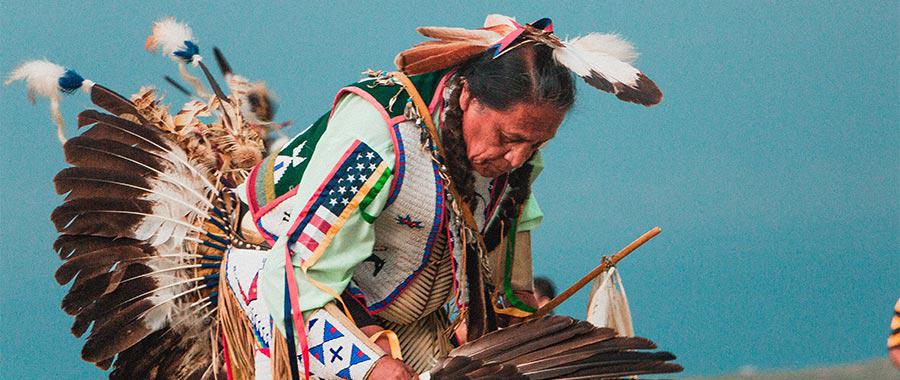
In an increasingly globalized world, the intersection of diverse beliefs offers a fertile ground for dialogue, understanding, and spiritual enrichment. The Baha’i Faith, founded in the mid-19th century by Baha’u’llah in Persia, emphasizes the unity of all religions and humanity. This foundational principle underscores the value of viewing indigenous beliefs not as isolated practices but as integral components of the spiritual fabric of humanity. The meeting point between Indigenous beliefs and the Baha’i Faith provides an enlightening perspective on the shared values and teachings both traditions espouse.
At the core of Baha’i teachings lies the vision of unity among all peoples and faiths. This principle invites Baha’is and Indigenous peoples alike to embrace a model of coexistence, where mutual respect and understanding pave the way for harmonious interactions. To explore this rich convergence, it is essential to delve into the fundamental beliefs held by Indigenous cultures, as well as the tenets of the Baha’i Faith that facilitate this meeting.
1. The Principle of Unity in Diversity
Central to Baha’i teachings is the principle of unity in diversity. This idea posits that while spiritual beliefs may manifest in varied forms across different cultures, the underlying truth remains universal. Indigenous peoples often find this concept resonant, as their traditions possess a unique worldview that celebrates local customs and spiritual practices. Baha’is recognize that these disparate expressions of spirituality are valid and vital. This perspective invites a multiplicity of voices and fosters an appreciative framework within which Indigenous beliefs can flourish alongside Baha’i principles.
With the recognition of diversity comes an invitation to dialogue. Engagement with Indigenous philosophies enables Baha’is to cultivate a deeper understanding of wisdom embedded within those traditions. For instance, many Indigenous cultures place significant weight on their relationship with the earth, perceiving it as a living entity deserving of reverence. This parallels the Baha’i viewpoint, which emphasizes stewardship over the planet and the necessity of environmental conservation, thus creating a common ground for collaboration.
2. Spiritual Teachings and Practices
Within Indigenous cultures, spiritual teachings often embody a profound connection to nature and the cosmos, which draws parallels to Baha’i beliefs pertaining to the spiritual nature of existence. Many Indigenous communities hold ceremonies that celebrate the cycles of nature, a concept that can enhance Baha’i understanding regarding the spiritual significance of the earthly realm. Such ceremonies not only honor the natural world but also serve as a rhythmic reminder of the interconnectedness of all life.
Baha’i teachings encourage the appreciation of nature as a manifestation of divine creation, thereby aligning closely with Indigenous views that see the earth as sacred. This brings forth an enriched dialogue on spiritual practices. For example, rituals associated with seasons and harvests celebrate abundance and gratitude and can serve as integrative constructs that enhance Baha’i observances.
3. Common Ethical Principles
Ethics form a cornerstone of both Indigenous beliefs and Baha’i teachings. Shared values such as compassion, justice, and service to humanity play pivotal roles in both traditions. For Indigenous peoples, ethical living often derives from a collective understanding of responsibility toward community and future generations, echoing the Baha’i emphasis on collective advancement and the betterment of society.
These ethical teachings can foster collaborative initiatives, as both communities strive toward social justice and environmental sustainability. Baha’is are urged to actively participate in the upliftment of society, providing them with a compelling basis for partnerships with Indigenous groups, who often advocate for similar causes, including land rights and cultural preservation.
4. The Role of Education and Knowledge
Education serves to empower individuals and communities. Both the Baha’i Faith and Indigenous groups recognize that the transmission of knowledge is vital for societal progress. The Baha’i teachings assert that education is a fundamental right that transcends barriers and should be accessible to all. On the other hand, Indigenous educators emphasize the importance of incorporating traditional knowledge into mainstream educational practices.
There exists an opportunity for Baha’is to collaborate with Indigenous communities to develop educational programs that honor both traditional wisdom and modern knowledge systems. This not only allows for the preservation of cultural heritage but also fortifies the Baha’i commitment to eradicate prejudices and promote understanding across different populations.
5. Embracing Global Citizenship
The confluence of Baha’i and Indigenous beliefs fosters a framework for global citizenship. Both traditions advocate for a world where individuals recognize their interconnectedness, irrespective of cultural and religious boundaries. The Baha’i concept of global unity encourages engagement with diverse perspectives, making it imperative for followers to acknowledge and respect Indigenous cultures.
This embrace of global citizenship entails active participation in dialogues that promote cultural sensitivity and awareness. Baha’is are called to champion Indigenous rights and advocate for their voices within global discussions, thus promoting a broader understanding of justice, equity, and shared human dignity.
Conclusion
The meeting between Indigenous beliefs and the Baha’i Faith not only enriches the spiritual landscape but also generates mutual understanding and respect. As we unpack the synergies that exist between these two profound worldviews, a promising shift in perspective emerges—one that invites curiosity and encourages deeper exploration. It becomes evident that recognizing the inherent value in diverse belief systems fosters a more harmonious and interconnected existence. Through ongoing dialogue and collaboration, Baha’is and Indigenous peoples can illuminate the path toward a shared vision of unity and spiritual growth, anchoring humanity in a richer tapestry of understanding.