
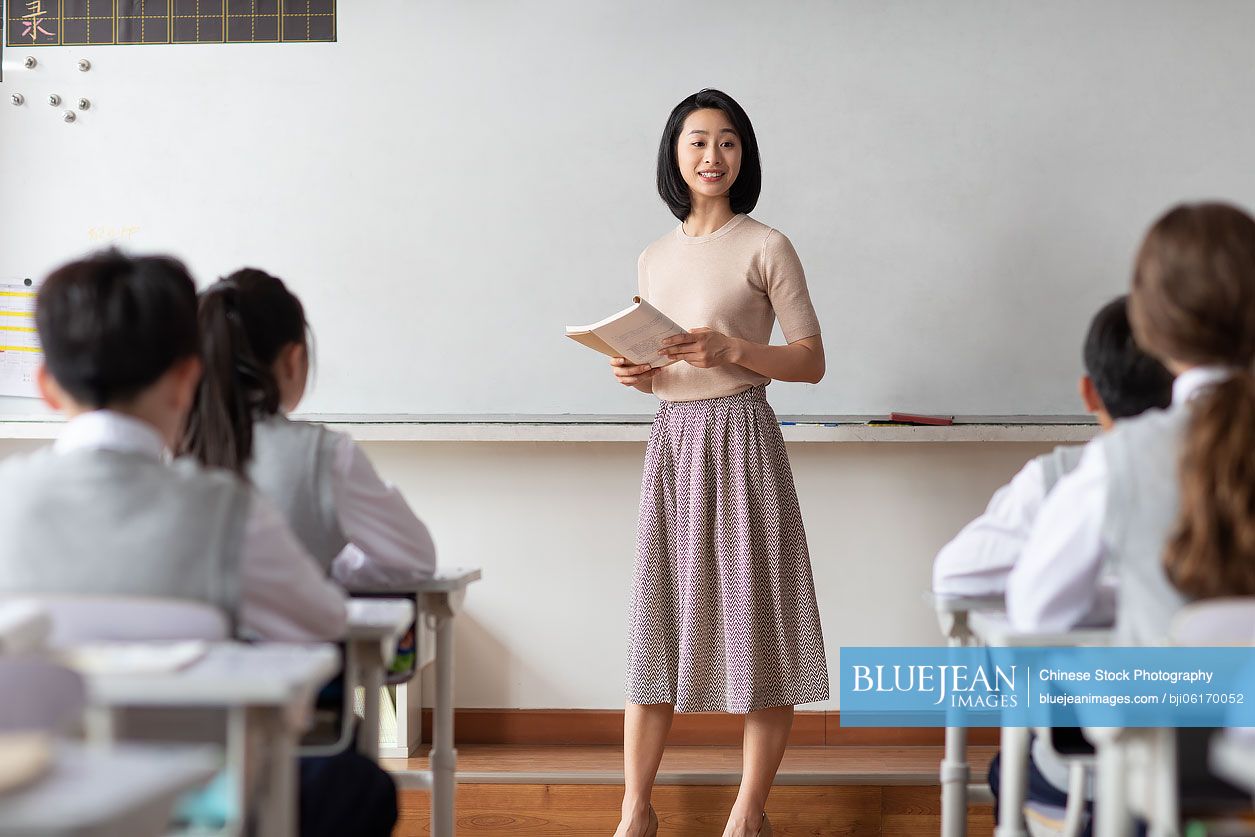
The concept of the classroom within the context of Baha’i teachings transcends the traditional physical space often associated with education. Instead, it encapsulates a rich, multifaceted realm where learning is not confined to four walls but instead permeates daily interactions, spiritual pursuits, and interpersonal relationships. This article endeavors to explore the vast implications of the ‘teacher’s classroom’ through Baha’i perspectives, emphasizing the transformative potential of education and nurturing a sense of curiosity about its multidimensional nature.
At the heart of Baha’i philosophy lies the profound belief that education is a fundamental right and an essential instrument for the progression of humanity. The Baha’i teachings illuminate that the true classroom can be wherever learning occurs—whether in formal educational institutions, at home, or any communal setting. The idea is not merely about the transfer of knowledge but rather about fostering a holistic development that nurtures spiritual, moral, and intellectual capacities.
### The Classroom as a Community
In Baha’i thought, community plays an indispensable role in the educational process. The community acts as a supportive framework for learners to engage with one another, share insights, and collaboratively seek truth. This communal learning is essential, as Baha’i teachings emphasize that knowledge is not merely accumulated; it is cultivated through dialogue and interaction. The act of teaching, therefore, becomes a reciprocal relationship—teachers learn from their students, and students are oftentimes teachers themselves.
This paradigm shift encourages learners to recognize their integral role within their communities. It invites a re-evaluation of where and how we glean understanding, prompting us to engage more deeply with those around us. In this light, every conversation, every communal effort, resembles a lesson in the broader classroom of life.
### The Curriculum of Life
The Baha’i perspective recognizes that the curriculum is not limited to traditional subjects such as mathematics or literature but encompasses the entirety of human experience. The teachings urge followers to engage in lifelong learning, placing great importance on spiritual and ethical education. The nurturing of virtues such as kindness, compassion, and justice becomes a central tenet of this comprehensive educational framework.
Furthermore, Baha’i teachings advocate for the integration of science and religion, positing that both realms provide valuable insights into the mysteries of existence. Embracing this duality fosters a more profound understanding of the universe and humanity’s place within it. This dynamic approach encourages learners to pursue questions that may not have definitive answers, thereby enhancing their intellectual curiosity and critical thinking skills.
### The Teacher’s Role
The role of the teacher, as delineated in Baha’i teachings, expands beyond the conventional boundaries of authority and expertise. Teachers are seen as facilitators of learning, guides who assist others in uncovering their innate potential. This transformative view fosters an environment of mutual respect and shared discovery, where each participant is valued for their unique contributions.
Moreover, the responsibility of the teacher extends beyond the classroom; it permeates every aspect of life. Baha’is are encouraged to embody the qualities of a teacher in their daily interactions. By demonstrating patience, understanding, and humility, individuals can create an atmosphere conducive to learning, thereby inspiring others to delve into their own educational journeys. This holistic approach allows for the cultivation of a nurturing spirit that recognizes and honors the dignity of every individual.
### Challenges and Opportunities in the Classroom of Life
Despite the promise of a dynamic classroom environment, challenges inevitably arise. Societal divisions, cultural misunderstandings, and personal biases can hinder the educational process. However, Baha’i teachings advocate for perseverance and resilience in the face of adversity. The recognition that every challenge presents an opportunity for growth is a cornerstone of the Baha’i educational philosophy.
Confronted with obstacles, individuals are encouraged to embrace various perspectives, fostering empathy and understanding. The classroom, envisioned as a space of cooperation, becomes a crucible for developing skills that transcend educational attainment. By navigating complexities, individuals not only enhance their own learning experiences but also contribute to the collective progress of society.
### Global Citizenship and the Teacher’s Classroom
Education, as conceptualized in the Baha’i framework, extends to the notion of global citizenship. The teachings emphasize the interconnectedness of humanity, urging individuals to recognize their responsibilities beyond their immediate surroundings. The classroom, in this context, expands to include the entire planet, challenging learners to engage with global issues such as justice, equity, and environmental stewardship.
This broadened perspective compels individuals to consider the implications of their actions on a global scale, prompting a sense of duty toward the welfare of others. By striving to embody the principles of the Baha’i Faith, individuals can contribute to the realization of a just and harmonious world, where every classroom—be it a physical place or a metaphorical space—thrives as a center of learning, compassion, and progress.
### Conclusion: Embracing the Teacher’s Classroom
Ultimately, the question of where the teacher’s classroom resides invites profound reflection on the nature of education itself. Rather than confining learning to designated spaces, Baha’i teachings inspire an expansive view that imbues everyday experiences with significance and purpose. By viewing life itself as the ultimate classroom, individuals are encouraged to seek knowledge, share wisdom, and cultivate virtues in a ceaseless quest for growth and understanding.
Through the lens of Baha’i philosophy, the classroom becomes an ever-evolving tapestry woven from the threads of human interaction, spiritual inquiry, and a commitment to the betterment of society. In this grand pursuit, every individual plays an invaluable part, contributing to the collective quest for truth, understanding, and ultimately, peace.