
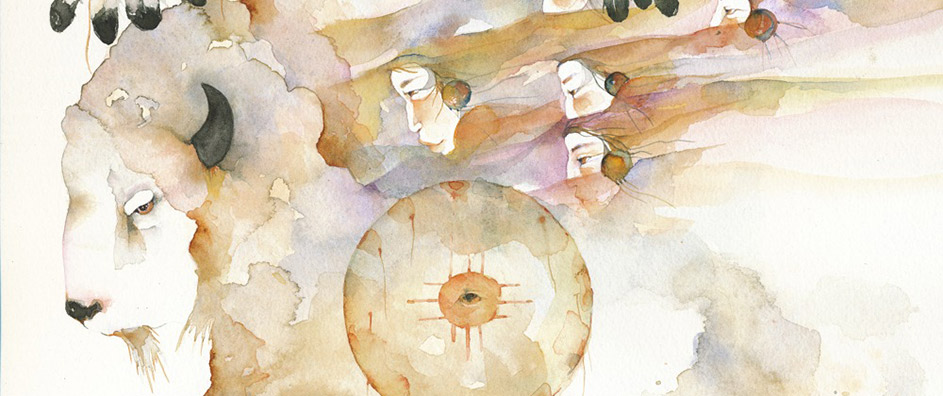
In the realm of spiritual and cultural synthesis, the teachings of the Bahá’í Faith find an intriguing reflection in the sacred narratives of indigenous traditions. Among these, the figure of the White Buffalo Maiden serves as an emblematic representation of unity, spirituality, and cultural preservation. This exploration delineates the multifaceted notions encapsulated within her story, particularly concerning sacred rites, dances, songs, and values, underlining the profound implications these elements have within the Bahá’í framework.
The White Buffalo Maiden, a revered figure in many Native American cultures, particularly among the Lakota Sioux, embodies the ideals of harmony and spiritual nourishment. Her arrival to earth is often depicted as a harbinger of peace and a conduit for divine knowledge. This narrative illustrates the interconnectedness of sacred rites—ritualistic practices that serve as conduits between the temporal and the eternal.
Sacred rites exist as a manifestation of a community’s deep-seated beliefs and collective memory. They are not merely symbolic acts; rather, they offer a profound pathway for individuals to engage with the divine. For Bahá’ís, such rites can be perceived through the lens of their own spiritual observances, such as the obligatory prayers and the communal gatherings during the festivals of Naw-Rúz and Ridván. The White Buffalo Maiden’s teachings advocate for reverence, ceremony, and the sanctity of creation, resonating deeply with Bahá’í principles of unity and interconnectedness.
Interestingly, dances associated with the White Buffalo Maiden symbolize more than mere physical movement; they represent a conduit for spiritual expression and communal solidarity. Dance, in this context, serves as an articulation of joy and reverence. The sacred dances, often performed during significant ceremonies, evoke transcendent experiences that align with Bahá’í teachings on art and creativity as reflections of divine inspiration.
Within Bahá’í thought, the integration of various cultural expressions, including dance, is not only encouraged but seen as essential in promoting the unity of mankind. The beauty of diverse traditions becomes a source of enrichment rather than division. This principle aligns seamlessly with the essence of the White Buffalo Maiden’s story, which suggests that the amalgamation of spiritual expressions leads to a richer, more vibrant understanding of the divine.
Equally significant are the songs that accompany the rites and dances honoring the White Buffalo Maiden. These songs serve as vessels for narrative and tradition, transmitting wisdom and values from one generation to the next. In many Indigenous cultures, songs play a fundamental role in ceremonies, articulating the themes of creation, harmony, and the sacredness of the Earth.
For Bahá’ís, music and song embody the quintessence of spiritual elevation. The writings of Bahá’u’lláh extol the virtues of music as a source of joy, a means of expressing devotion, and an avenue through which hearts can be touched and transformed. The songs inspired by the White Buffalo Maiden’s narrative can thus be perceived as a bridge, linking Indigenous wisdom with Bahá’í ideals, encouraging listeners to contemplate their own relationship with the divine and creation.
However, the values propagated by the White Buffalo Maiden extend beyond ceremonial confines. They encapsulate virtues such as love, unity, respect for nature, and the importance of community. These core tenets resonate deeply within Bahá’í discourse, particularly the principles of oneness of humanity and the sanctity of the environment. The inherent call to stewardship found in her teachings aligns with the Bahá’í emphasis on the importance of protecting the planet and fostering a culture of peace and cooperation among all people.
The White Buffalo Maiden’s teachings also encompass the significance of women in spiritual leadership and community cohesion, an idea that finds a respected place in the Bahá’í Faith. The Bahá’í teachings promote gender equality and the empowerment of women as fundamental to societal progress. By embracing the narrative of the White Buffalo Maiden, one acknowledges the role of feminine spirituality in guiding humanity towards a more united and compassionate existence.
In a contemporary context, the teachings surrounding the White Buffalo Maiden can be utilized as a pedagogical tool for exploring themes of reconciliation, respect for cultural diversity, and the nurturing of a global community. As societies grapple with divisions and conflicts, drawing upon her narrative can inspire a commitment to healing and understanding across different cultural landscapes.
This harmonious coexistence of diverse spiritual traditions reinforces the Bahá’í exhortation for the acceptance of multiplicity within unity. By appreciating the intricacies of the White Buffalo Maiden’s teachings, Bahá’ís can foster a deeper comprehension of their own faith while respecting and honoring the spiritual heritage of Indigenous cultures.
Ultimately, the lessons derived from the White Buffalo Maiden—her sacred rites, dances, songs, and values—serve as a reminder of the enduring quest for spiritual truth and unity among all people. Her narrative underscores the belief that through shared respect and understanding, humanity can achieve a collective awakening that transcends cultural barriers, embracing a future grounded in peace, harmony, and collaboration.
