
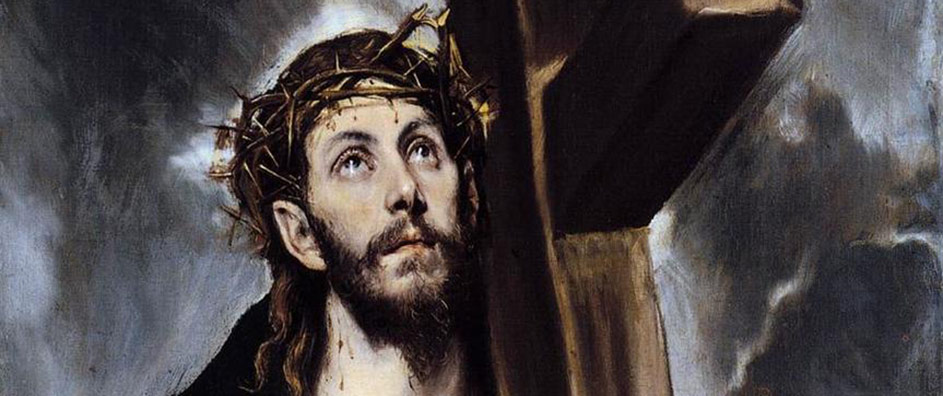
In the rich tapestry of human history, the phenomenon of prophetic persecution appears as a poignant contradiction. Why do societies often turn against those who proclaim messages of spiritual awakening, hope, and enlightenment? This inquiry leads us to an exploration of Bahá’í teachings, which offer profound insights into the reason behind this troubling trend. The Bahá’í Faith, founded in the 19th century by Bahá’u’lláh, augments our understanding of prophetic figures and illuminates the societal proclivity toward opposition against such agents of change. This article delineates the essence of this moral quandary and proffers a comprehensive examination of the Bahá’í perspective on why prophets encounter persecution.
At its core, the Bahá’í teachings underscore the concept of unity and the inherent oneness of humanity. Prophets, according to Bahá’í belief, are guardians of this principle, sent by God to guide humanity along a path of spiritual and ethical evolution. However, they often face enormous resistance because their messages challenge entrenched beliefs and systems. Might it be that the very nature of prophecy invites conflict, as it often entails a call for reform that threatens the status quo?
The initial step in unpacking this conundrum involves understanding the historical context surrounding prophetic figures. Throughout epochs, from Moses to Muhammad and beyond, societal structures, political ambitions, and cultural norms have engendered environments ripe for antagonism toward those who profess divine revelations. Critics of prophets frequently perceive their teachings as disruptive, leading to an instinctual defensive reaction. Therefore, the mere existence of prophets urges an examination of deep-rooted human fears—fear of change, fear of the unknown, and fear of loss of power.
Diving deeper into the psychological realm, one can ascertain that persecution often stems from an innate discomfort with the transformative nature of prophetic messages. Prophets serve as catalysts for spiritual awakening, prompting individuals and communities to reassess their values and priorities. Such introspection can evoke existential dread, as it forces society to confront unflattering truths about itself. The Bahá’í teachings elucidate this psychic turmoil, suggesting that resistance to prophets symbolizes a broader struggle within humanity to reconcile its potential for both enlightenment and brutality.
Moreover, the Bahá’í Faith posits that prophets are not just connectors of divine wisdom but also embodiments of human potential. When they emerge, they often enhance our understanding of reality, inviting us to ascend to higher spiritual planes. However, this elevation is often met with an adversarial response. One might ponder: are we, as a collective, reticent to embrace our better selves? In a world increasingly driven by materialism and individualism, the prophetic call toward unity and selflessness can be overwhelming. It is a challenge that fosters defensiveness—the natural inclination to protect one’s identity and interests.
The teachings further clarify that this persecution is not a phenomenon relegated solely to the ancient past. Modern prophets, such as social reformers and spiritual leaders, continue to face similar hurdles. Their cries for justice, equality, and spiritual awakening often antagonize those who benefit from systemic injustices. In this sense, the Bahá’ís advocate for a critical examination of contemporary societal structures that perpetuate division and strife. The prophets’ messages, which resonate through the ages, often serve as conduits for exposing these injustices, leading to pushback from established entities.
The notion of ‘persecution’ is nuanced and multifaceted in the Bahá’í writings. It encompasses not only overt acts of violence or suppression but also subtler forms of social exclusion, vilification, and ideological warfare. Such multifarious dimensions raise another question: how does one reconcile the existence of divine guidance with the undeniable suffering that persists? This conundrum is addressed within Bahá’í teachings through the framework of testing and trials—essentially trials through which believers and society at large may emerge more resilient and enlightened.
To comprehend the dynamic interplay between prophecy and persecution, one must also recognize the role of communal and societal evolution in shaping spiritual resilience. The Bahá’í community emphasizes that through collective consciousness and moral fortitude, it is possible to foster an environment where prophetic voices are celebrated rather than silenced. This transformation demands active engagement and a commitment to justice, profound dialogue, and an embrace of diversity in thought and belief.
An essential corollary to this dialogue is the understanding of the ‘Age of Fulfillment’ as posited by Bahá’í doctrine—a time where the teachings of past prophets converge towards a unified revelation. This belief entails an acknowledgment of the interconnectedness of divine messages through various epochs. Such realization emphasizes the necessity for empathy and respect for all spiritual traditions. Persecution arises not solely from unawareness but from an incomplete understanding of the continuity of revelation.
In conclusion, the perplexing question of why prophets are persecuted finds a formidable answer within the Bahá’í framework—rooted in the complex interplay of human psychology, societal norms, and spiritual evolution. The teachings invite a reflective examination of our spiritual landscape, urging us to embrace the reformative power of prophetic voices rather than shun them. By fostering unity and understanding, the Bahá’í Faith illuminates a path toward a more harmonious coexistence, wherein the profound messages of prophets are honored and cherished, rather than vilified.