
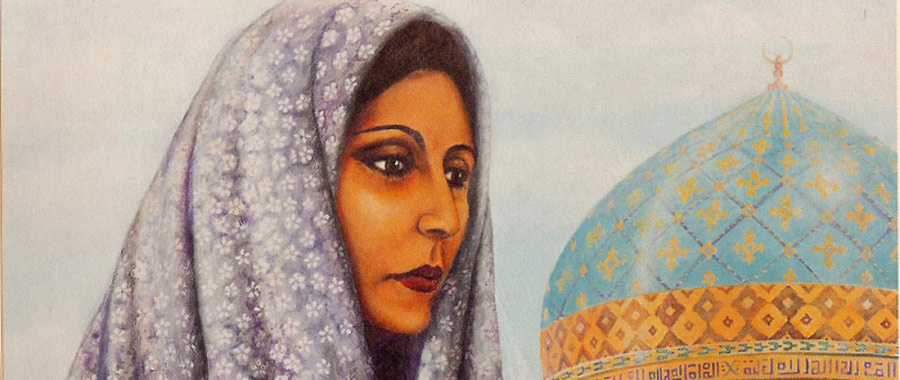
In the tapestry of human civilization, the emancipation of women emerges as a vibrant thread woven with the hues of empowerment, equality, and dignity. The Bahá’í teachings, with their profound depth and universal appeal, affirm that the cause of women’s emancipation is not merely an ideological pursuit; it is a moral imperative that resonates through the annals of history, intertwining with the very fabric of societal progress. The notion that the emancipation of women is a cause that will never cease is akin to the inexorable flow of a mighty river, representing both a relentless force and a nurturing source of life, essential for the flourishing of humanity.
At the heart of the Bahá’í faith lies an unwavering commitment to the principle of the equality of genders. This principle is not an abstract idea but a concrete foundation upon which the edifice of a just and prosperous society must be built. The Bahá’í writings articulate that men and women are like the two wings of a bird; both are essential for flight, both are necessary for the advancement of the human race. Without the full participation of women, humanity cannot attain its collective potential. This metaphor highlights the intrinsic connection between gender equality and overall societal progress, rendering the emancipation of women not merely important but fundamentally crucial.
The Bahá’í teachings advocate for the dismantling of patriarchal structures that have historically suppressed women’s voices and contributions. It presents a call to action, urging individuals and communities to engage in the pivotal discourse surrounding women’s rights. Women possess unique perspectives and talents that have been stifled for centuries. When liberated, these voices contribute significantly to the realms of invention, governance, and social reform. Like a garden that flourishes only when tended to, society as a whole benefits when the potential of women is nurtured and allowed to blossom.
Moreover, the emancipation of women is imbued with a transformative power that extends beyond the individuals directly affected. When women are educated and empowered, they become advocates for change within their communities. They inspire subsequent generations, creating a ripple effect akin to the concentric circles formed when a stone is cast into a tranquil pond. This empowerment is not limited to personal achievement but extends toward collective societal benefit, fostering an environment where innovation thrives and social paradigms shift.
Through the lens of Bahá’í thought, the emancipation of women transcends cultural and geographical boundaries. It emerges as a global concern, necessitating a unified effort to eradicate discrimination and prejudices entrenched in societal norms. This universality is echoed in the teachings of ‘Abdu’l-Bahá, who explicated that the advancement of women is essential for the prosperity of all peoples. This perspective encourages a departure from a fragmented view of human rights, instead promoting a holistic approach that recognizes the interconnectedness of all struggles for equality.
Furthermore, history serves as a canvas illustrating the profound impact of women’s emancipation across civilizations. Echoes of courageous women who have defied societal conventions resound through time, their audacity catalyzing monumental shifts in public consciousness. Figures such as ‘Abdu’l-Bahá’s contemporaries—such as Martha Root and Lua Getsinger—mobilized hearts and minds, championing the cause of women with fervor and resilience. It is imperative to recognize that the journey toward emancipation has not been linear but rather a labyrinth marked by triumphs and setbacks. Nonetheless, each step taken has contributed to the inexorable march toward full equality.
In contemplating the future, it becomes increasingly clear that the emancipation of women is beset with challenges that require concerted action. The rise of movements advocating for gender equity across the globe signifies a growing awareness, a recognition that the fight is far from over. This ongoing struggle is akin to a phoenix rising from the ashes, symbolizing resilience and the unwavering spirit of those who believe in justice. The flame of emancipation is perpetually rekindled through education, advocacy, and sheer determination, illuminating pathways for change.
As we navigate the complexities of modern society, it becomes essential to align efforts with the core precepts of unity and justice espoused by Bahá’í teachings. Engaging in dialogues that celebrate diversity of thought and experience fosters an inclusive environment where women can thrive. By creating spaces for collaboration and shared learning, the interplay between men and women reflects a harmonious symphony, each note contributing to the larger composition of societal advancement.
In conclusion, the emancipation of women is more than a goal; it is a tapestry intricately woven into the ethos of humanity. It embodies a ceaseless endeavor that inspires individuals and communities to strive for a world where every person, regardless of gender, can contribute their full potential. The Bahá’í teachings illuminate this path, embracing the urgency of this cause as part of a broader mission for justice and equality. Emancipation is not only a destination but a continual journey, a testament to humanity’s aspiration for a future marked by dignity, respect, and mutual upliftment.
