
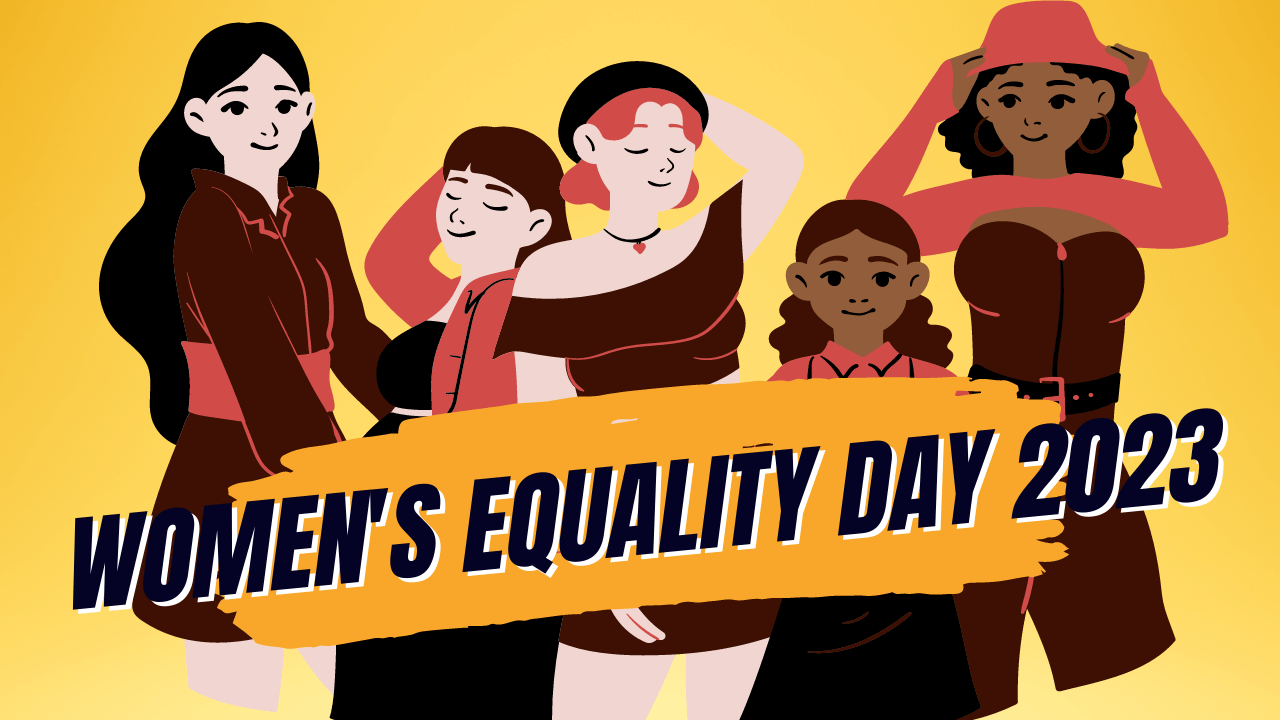
In the realm of social justice, the celebration of Women’s Equality Day embodies not merely a historical acknowledgment but also a clarion call for the continued struggle for equity and fairness. This day serves as an opportunity for individuals, communities, and societies to reflect on advancements in women’s rights while recognizing the persistent disparities that necessitate further action. The Bahá’í teachings provide profound insights on the principles of gender equality, emphasizing the spiritual and moral imperatives that advocate for the equal treatment and empowerment of women.
Understanding the Bahá’í perspective on women’s equality begins with the recognition of the inherent nobility of all human beings, irrespective of gender. The foundational belief that “the earth is but one country and mankind its citizens” resonates deeply when discussing gender issues. This ethos underlines the importance of respecting and valuing the contributions of women as equal partners in both domestic and public spheres. Therefore, Women’s Equality Day is not merely an event but signifies a pivotal juncture that Bahá’ís are called to engage with actively.
At the core of Bahá’í thought is the assertion that inequality between genders is a social construct that can, and must, evolve. The Bahá’í writings assert unequivocally that “men and women are like the two wings of a bird; unless both wings are equally developed, the bird cannot fly.” This metaphor poignantly underscores the symbiotic relationship between genders necessary for the progress of humanity. The call to action for Bahá’ís on Women’s Equality Day is to perpetuate an environment wherein the complementary roles of men and women are recognized and celebrated in all facets of life, including education, governance, and community building.
The Bahá’í community is encouraged to engage in various outreach initiatives to promote gender equality. One such initiative could be facilitating workshops and gatherings that educate participants about the rights and contributions of women throughout history. These events can highlight significant female figures within various cultures, thus fostering a deeper appreciation for women’s roles in societal advancement. Furthermore, incorporating the teachings of the Bahá’í Faith regarding unity and justice can incite enlightening discussions among diverse groups, broadening their perspectives and understanding.
In addition to educational efforts, Bahá’ís are urged to recognize the transformative power of storytelling in advocating for women’s rights. Sharing personal narratives and collective histories can potentiate a greater awareness of the challenges women face. It can also emphasize the strengths they bring to families and societies. The Bahá’í emphasis on the importance of education aligns perfectly with this approach, as educated women often become the catalysts for mobilizing their communities towards equality and justice.
Furthermore, the observance of Women’s Equality Day can spur initiatives tailored toward empowering women economically. This may include creating microfinance programs or business incubators that specifically serve women entrepreneurs and leaders. Such initiatives resonate with the Bahá’í principle of self-sufficiency and can provide women with the resources and skills necessary to thrive in a competitive economic landscape. By providing women with equitable opportunities, Bahá’ís can contribute to dismantling the systemic barriers that have hindered their progress.
Advocacy for women’s equality also necessitates an examination of institutional policies and practices that perpetuate gender disparities. Bahá’ís are called upon to engage with local and national legislative bodies to lobby for laws that uphold the rights of women. This activism can take numerous forms: participation in peaceful demonstrations, signing petitions, or initiating dialogues with policymakers. The Bahá’í teachings on justice compel followers to advocate for systemic changes that promote equality, demonstrating that upholding human rights is intrinsically linked to the realization of world peace.
Pursuing gender equality is not merely about addressing the disparities that exist in society; it is also about fostering environments where dialogue flourishes and interdependence is celebrated. Therefore, creating safe, inclusive spaces for men and women to convene and discuss the intricacies of gender equality is vital. Bahá’í communities are encouraged to form discussion circles that focus on gender-related themes, fostering mutual understanding and respect while dismantling preconceived biases.
Lastly, it is essential that Bahá’ís consistently evaluate their practices and beliefs in relation to gender equality. This self-reflection ensures a better alignment with the Bahá’í teachings of unity and justice. It is necessary to confront the subtle biases that may persist within individual and collective mindsets, thereby fostering a truly equitable community. Embracing humility and a willingness to learn is crucial in this endeavor; it demonstrates that the path toward gender equality is a continuous journey, marked by growth and enlightenment.
In conclusion, Women’s Equality Day serves not only as a testimonial to the strides made in the advocacy for women’s rights but also as a reminder of the work that still lies ahead. By integrating the Bahá’í principles of equality, justice, and interconnectedness into this celebration, Bahá’ís can actively partake in a broader movement toward gender equality. It is imperative that this day inspires not only reflection but also action—an action firmly rooted in the potent teachings of the Bahá’í Faith that advocate for a future wherein all individuals, regardless of gender, can thrive in harmony and dignity.