
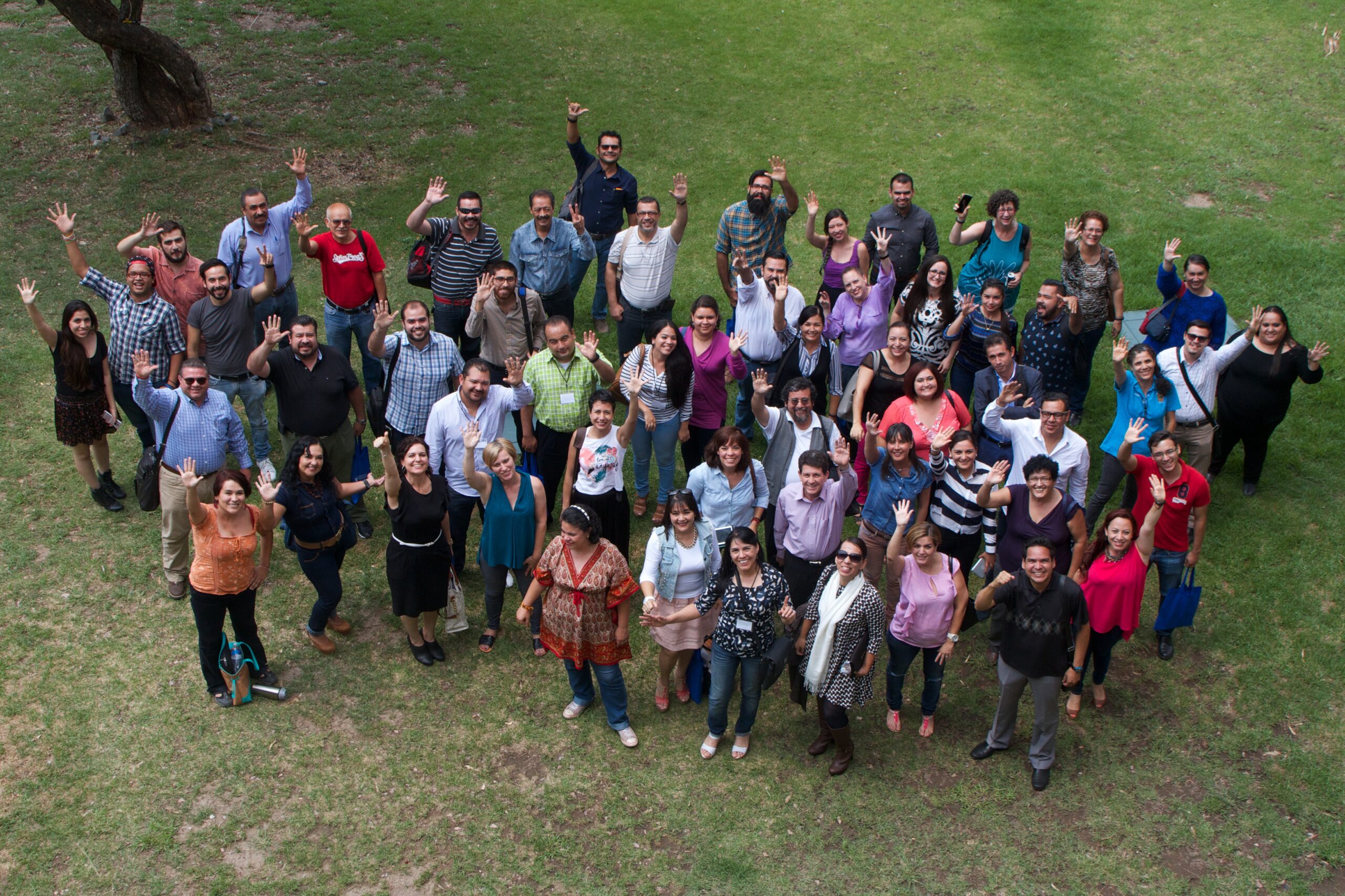
The Bahá’í teachings emphasize the profound significance of youth in shaping their communities and fostering social transformation. In Sierra Leone, a group of inspired young individuals exemplifies this philosophy by producing a film aimed at addressing and protecting their community’s challenges. This initiative not only highlights the creativity and resourcefulness of the youth but also resonates deeply with the Bahá’í principle of collective action for the betterment of society.
At the heart of this movement is the understanding that youth represent a vibrant force for change. The Bahá’í teachings affirm that young people are endowed with the potential to contribute meaningfully to their communities. This belief is grounded in the recognition of their unique perspectives, energies, and innovative ideas. It views their involvement as essential in addressing pressing social issues, thereby fostering a sense of agency and responsibility.
The film produced by Sierra Leonean youth serves as a poignant platform for their voices to be heard. By utilizing the medium of film, they engage not only their peers but also broader audiences in a conversation about community challenges. The storytelling aspect of filmmaking allows for the exploration of complex themes, promoting empathy and understanding among viewers. Furthermore, it nurtures a sense of solidarity, illustrating how collective narratives can spur action and advocacy.
This particular initiative underscores the Bahá’í principle of consultation, where diverse opinions are valued and encouraged. Young filmmakers often collaborate with community members, drawing on shared experiences and insights. This collaborative process reinforces the notion that knowledge is not a singular possession but rather a communal treasure. By working together, participants can create a multifaceted narrative that reflects the realities and aspirations of the community.
Community involvement is also vital in ensuring the film’s relevance and impact. Through workshops and discussions, young people solicit input from various segments of the community, including elders, women, and other marginalized groups. This inclusive approach not only enriches the narrative but also fosters intergenerational dialogue. Such exchanges can dislodge entrenched perspectives and encourage innovative solutions to local issues.
Moreover, the film project illustrates the power of art as a catalyst for social change. In the Bahá’í view, art possesses the capacity to elevate the human spirit and inspire action. The emotional resonance of artistic expression invites individuals to reconsider their views and engage with the subject matter on a deeper level. Through visual storytelling, the audience is not merely passive but becomes an active participant in the dialogue surrounding community care and improvement.
Within the Bahá’í framework, education plays an indispensable role in empowering youth. This initiative offers opportunities for skill development in filmmaking, storytelling, and project management. By equipping young individuals with these competencies, the project not only addresses immediate community concerns but also fosters long-term growth and resilience. Empowered youth can more effectively navigate the complexities of societal issues, becoming beacons of change in their respective spheres.
The film thus serves multiple roles- a medium for artistic expression, a platform for community dialogue, and a vehicle for empowerment. It ignites curiosity, urging audiences to confront uncomfortable truths and piquing their interest in practical solutions. This proactive engagement is essential in an era where media consumption often leans towards sensationalism rather than substantive discourse. With the right narrative, film can illuminate paths to peace, unity, and resilience.
Furthermore, the outcome of such projects often goes beyond mere awareness. As viewers become inspired by the stories depicted, there is a potential shift in mindset, leading to increased community involvement. The Bahá’í teachings assert that as individuals recognize their shared humanity, they are compelled to foster unity and work collaboratively towards common goals. The film can serve as a powerful reminder that addressing community concerns is not the responsibility of a few but a collective endeavor.
As the youth of Sierra Leone navigate this creative endeavor, they exemplify the belief that service to humanity is a paramount duty. Their commitment to using film as a medium for social advocacy reflects the ethical imperative of engaging with the world around them. In the Bahá’í perspective, such actions are commendable as they align with the principles of working towards social justice and uplifting marginalized voices.
The resonance of this initiative echoes the universal call found in Bahá’í literature for each individual to contribute to the betterment of society. In it, one finds not just a project but a blossoming movement. Enthusiasm for such initiatives can catalyze other youth in similar situations worldwide, inspiring them to express their concerns, dreams, and aspirations through creative platforms.
In conclusion, the film created by Sierra Leonean youth stands as a testament to the power of youth-driven social change, amplifying the ideals put forth by Bahá’í teachings regarding the importance of community engagement and collaboration. It beckons communities to embrace the talents of their younger generations, assuring that every effort, no matter how small, contributes to the larger tapestry of community well-being. As the narrative unfolds, the collective experience fosters a renewed perspective on the role of youth, establishing them as pivotal agents in the quest for a harmonious and just society.
