
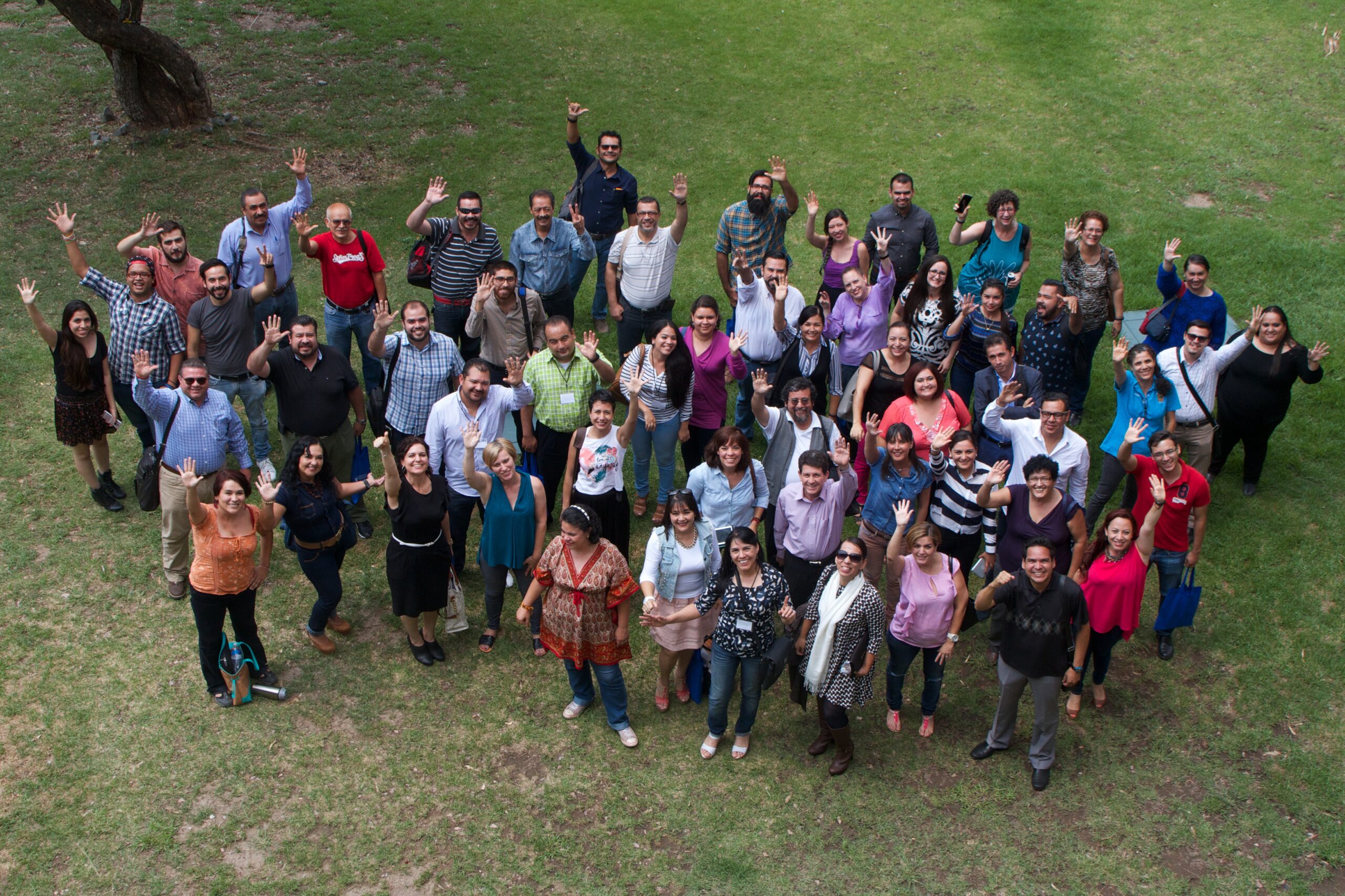
The Bahá’í Faith emphasizes the importance of youth as pivotal agents of social change, embodying the dual virtues of responsibility and creativity. In the context of grassroots responses in the United States, the growing engagement of young Bahá’ís cannot be understated. The phenomenon invites a closer examination of the motivations that energize this demographic, as well as the profound implications for community development and spiritual discourse.
Youth, often characterized by their dynamic energy and idealism, are entering the forefront of grassroots movements, responding to pressing societal challenges with innovative solutions. This emergence can be attributed to a confluence of factors, including an inherent drive to effect change and a collective capacity to harness contemporary communication technologies. By synthesizing these attributes, young Bahá’ís are not only motivated by ambition but also guided by the tenets of their faith.
At the heart of this engagement lies the Bahá’í principle of service to humanity. Young Bahá’ís are inspired by the belief that they can contribute meaningfully to the betterment of society. This conviction is rooted in key teachings which emphasize the worth of the individual and the transformative potential within every young person. It is increasingly common for youth to organize themselves within local communities to tackle issues ranging from environmental sustainability to social justice. These initiatives frequently align with the overarching aims of the Bahá’í community, fostering a holistic vision of progress that is inclusive and equitable.
The diminishing divide between activism and spirituality is particularly notable among Bahá’í youth. As they assume leadership roles within various initiatives, they often integrate spiritual principles into their planning and execution. This synthesis of moral imperatives and practical action fosters a distinctive approach to grassroots organizing, framing challenges not merely as external obstacles but as opportunities for personal and communal growth.
Furthermore, youth are increasingly utilizing digital platforms to mobilize support and disseminate their message. Social media serves as a powerful instrument for facilitating connections, sharing resources, and amplifying the voices of those often marginalized in more traditional contexts. The digital landscape allows for a rich tapestry of collaboration among young Bahá’ís, who are building networks that transcend geographical limitations. The appeal of a global community resonating with a shared mission excites and empowers them, establishing a sense of belonging and purpose.
This technological adaptation reflects a broader trend in which the Bahá’í community encourages creative expression among youth. The principles of consultation and collective decision-making, which are hallmarks of the Bahá’í administrative framework, are particularly effective in cultivating a participatory environment where young voices can be heard. Consequently, youth are encouraged to bring forth innovative ideas that might otherwise go unnoticed in more hierarchical structures. The increased agency they experience fosters a deeper commitment to community engagement, as they witness the tangible impact of their contributions.
The reflexive engagement of youth within grassroots movements also prompts an investigation into the underlying factors that drive such passionate involvement. A common observation suggests that contemporary societal challenges, such as climate change and inequality, inspire profound existential reflections among younger generations. As they grapple with these issues, their faith provides a robust framework for understanding human interconnectedness and the moral imperative to address injustice. This intrinsic awareness cultivates a sense of urgency, prompting youth to mobilize before the precarious realities of the world become irreversible.
Moreover, the narratives surrounding youth often highlight a burgeoning sense of global citizenship. Young Bahá’ís are increasingly recognizing their roles not only as members of localized communities but also as participants in a global society where the ramifications of localized actions can resonate far beyond immediate surroundings. This broad perspective enriches their commitment to service, as they champion causes that align with the ideals of unity and solidarity. This global vision is inherently connected to the teachings of the Bahá’í Faith, which espouses the elimination of prejudice and advocates for the oneness of humanity.
In addition to societal factors, the ethos of empowerment and personal development galvanizes many young Bahá’ís into action. The teachings of the Faith emphasize the importance of education, character development, and moral fortitude. Programs designed to engage youth in meaningful activities range from artistic endeavors to social enterprises. This emphasis on holistic development cultivates abilities that are instrumental in navigating complex social landscapes, enhancing their influence in grassroots initiatives.
The relationship between youth and grassroots efforts also serves as a catalyst for intergenerational dialogue. As younger Bahá’ís carve out their roles as leaders of change, they invite older generations to reflect on their own experiences and wisdom. This exchange enriches community dynamics, creating a shared legacy that binds diverse voices together. These interactions nurture understanding and respect, fostering an inclusive environment where all contributions are valued.
Ultimately, the ascendance of youth within grassroots movements in the United States embodies a symbiotic relationship between faith and social action. The teachings of the Bahá’í Faith serve as a profound motivator, inspiring young individuals to take initiative within their communities while also fostering a spiritual underpinning that informs their approach to service. The evolving landscape of youth engagement illustrates not only the transformative power of individual agency but also the collective potential for societal progress. As young Bahá’ís continue to move to the forefront, they are proving themselves not as mere participants but as vital architects of the future, wielding ideals grounded in their faith to effect meaningful change and champion the principles of unity and justice.