
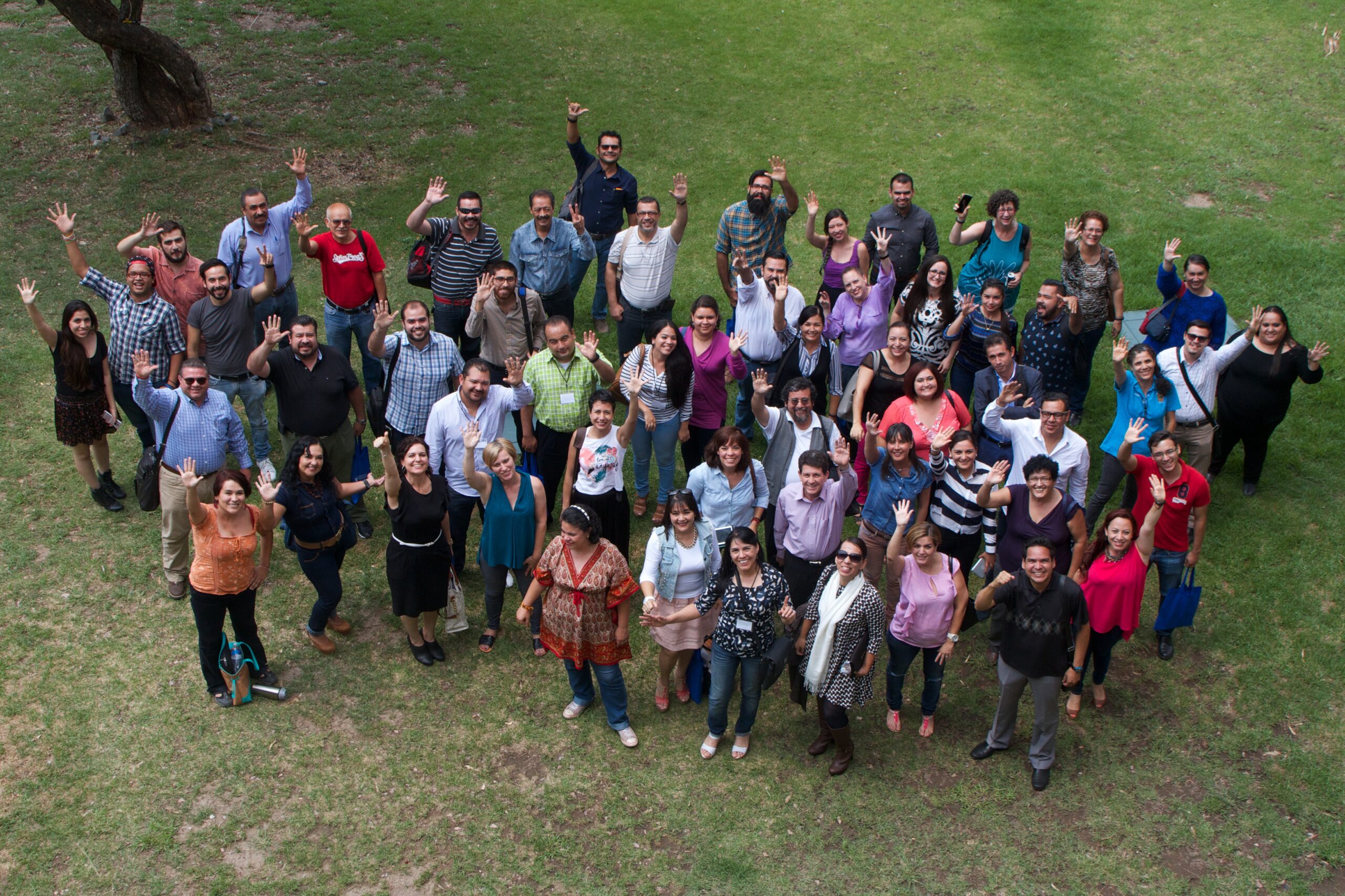
The Bahá’í Faith serves as a beacon of spiritual guidance, where the teachings of its founding figures illuminate the myriad paths toward a harmonious existence. One pressing concern that resonates deeply within its doctrine is the environmental crisis that profoundly affects the youth of today. Climate change is an omnipresent threat, demanding immediate and concerted action in which the youth are positioned as principal agents of transformation.
In exploring the Bahá’í teachings, we delve into specific tenets that advocate for the proactive involvement of the youth in addressing climate challenges. Central to this discussion is the concept of the oneness of humanity, which underscores the interconnectedness of all life. This principle not only aligns with global environmental concerns but also fosters a sense of responsibility among the younger generation, urging them to engage in sustainable practices.
Furthermore, Bahá’í teachings emphasize consultation as a fundamental method of decision-making. Within the framework of environmental action, this suggests that young individuals should not only voice their opinions but also collaborate with diverse stakeholders. Engaging young minds in dialogues about sustainability can generate innovative solutions to combat the pressing issues of climate change.
Another salient aspect of Bahá’í doctrine is the notion of continuous learning and the pursuit of knowledge. The youth, often equipped with fresh perspectives and unencumbered by preconceived notions, are in a unique position to challenge traditional narratives surrounding environmental policy and practices. This quest for knowledge encompasses a broad spectrum of themes, including ecology, sustainability, and social justice, permitting youth to advocate effectively for change.
Actionable steps are paramount in actualizing the teachings of the Bahá’í Faith into tangible environmental stewardship. Young Bahá’ís are encouraged to initiate local environmental projects, fostering community engagement and raising awareness on climate issues. Initiatives could range from tree planting campaigns to educational workshops, where participants can gain insights into sustainable living practices. Such engagement not only fosters community cohesion but also manifests the principles of service and dignity that Bahá’ís espouse.
The urgency of the climate crisis can oftentimes lead to a sense of despair. However, the Bahá’í perspective offers a remedy for this malaise through the emphasis on hope and resilience. The future of the planet hinges on the optimistic efforts of the youth, who must embody the spirit of creativity and determination. It is imperative for young individuals to cultivate a mindset that is adaptable and open to innovative solutions, recognizing that they possess the power to influence both local and global communities.
Additionally, cultivating an appreciation for the natural world is intrinsic to the Bahá’í ethos. Understanding the intrinsic value of our environment promotes sustainable practices, inspiring youth to be stewards of the Earth. Various programs within Bahá’í communities globally encourage the exploration of biodiversity and the nurturing of ecosystems. Such appreciation not only enhances personal well-being but also deepens the commitment to environmental preservation.
A significant aspect of youth engagement in climate action involves collaboration with global movements. The Bahá’í community actively encourages participation in nationwide and international campaigns, enhancing the visibility of the youth voice. By forming alliances with other organizations advocating for environmental justice, young Bahá’ís can amplify their message and drive systemic change. These collaborations serve as a testament to the potency of unity in action.
Furthermore, the Bahá’í teachings promote the integral relationship between science and religion, advocating for collaborative approaches that harness technological advancements for environmental benefit. The youth, keenly aligned with contemporary technological trends, are poised to pioneer initiatives that utilize innovative technologies to mitigate climate impact. From renewable energy solutions to digital platforms that promote environmental awareness, the potential for technological intervention is vast and largely untapped.
Recognizing the principle of equality is paramount when discussing the role of youth in climate action. The Bahá’í Faith underscores that all individuals possess innate capabilities and rights, regardless of gender or socioeconomic status. This principle of equality inspires inclusive practices for youth involvement, ensuring that every voice is heard and every perspective valued. This inclusive engagement, in turn, fortifies the collective capacity of the youth to effectuate change.
Moreover, the teachings encourage a holistic approach to addressing climate change, intertwining moral and ethical considerations with practical solutions. The youth are called to reflect on the ethical implications of environmental degradation, urging them to foster a culture rooted in stewardship and respect for nature. Such contemplation fosters deeper connections to the world, engendering a commitment to advocate for policies that safeguard the planet for future generations.
As the Bahá’í Faith continues to evolve in a contemporary context, so too does the call to action for the youth. Their involvement in addressing climate change is not merely a choice but a moral imperative. As elucidated in the teachings, the persistence of hope, a commitment to learning, and the spirit of service must guide the youth of the world in their quest for justice and sustainability.
In conclusion, the call for youth engagement in climate action is a vital aspect of the Bahá’í teachings. By fostering collaboration, promoting innovative solutions, and embracing a spirit of service and unity, the youth can emerge as leaders in the movement toward a sustainable future. The climate needs them now more than ever, for they are the stewards of tomorrow’s world.