
Joaquimma Anna

A Fire of Divine Love: The Baha’i Path

The Baha’i Faith, a burgeoning spiritual movement that emerged in the 19th century, offers a profound exploration of the theme of divine love. This concept is often encapsulated in the metaphor of “fire,” an evocative representation of both the spiritual ardor that characterizes the Baha’i path and the transformative power of love. In examining the … Read more


Do Soulmates Exist – And What Does Faith Say About Them?

The concept of soulmates, an idea deeply embedded in various cultural narratives and personal aspirations, prompts an intriguing inquiry into the Bahá’í teachings. This exploration traverses the realms of love, relationships, and the spiritual development of individuals. The notion of soulmates, frequently romanticized in literature and media, invites both skepticism and reverence. What does the … Read more

Day of Judgment – A Bahá’í Perspective

The concept of the Day of Judgment is a significant theme in various religious traditions, inciting deep reflection and contemplation among believers and scholars alike. In the Bahá’í Faith, this pivotal event is perceived through a lens distinctly different from conventional interpretations found in other faiths. Rather than a singular, catastrophic occurrence marked by divine … Read more

Approaching the Creator – The Unknowable Beloved

The quest for understanding the Creator, often referred to as the Unknowable Beloved, is an intricate and profound journey in the Bahá’í faith. This exploration invites adherents to grapple with the divine paradox: the essence of God is ultimately beyond human comprehension, yet humans are naturally inclined to seek closeness to the divine. The Bahá’í … Read more

The Realities of Every Revelation: A Baha’i Perspective

The Bahá’í Faith invites exploration into the profound dimensions of spirituality and revelation, particularly through the lens of the three core realities that characterize every divine revelation. These realities—divine purpose, ongoing guidance, and transformative potential—unequivocally shape the framework of Bahá’í teachings. But what happens when we approach these concepts with a degree of levity? Are … Read more

The Resurrection Through Christ’s Eyes: A Baha’i Interpretation

The concept of resurrection—particularly in a religious context—has captivated the human imagination across centuries and cultures. Within the Bahá’í framework, the resurrection is understood not merely as a physical phenomenon, but as a profound and multifaceted spiritual reality. This nuanced interpretation merits exploration, especially as it confronts traditional perceptions of resurrection found in Christianity and … Read more

Individual Indigenous and Group: The Evolution of Humanity

In the vast tapestry of human existence, the interplay between individual, indigenous, and group evolution forms a rich backdrop against which the Bahá’í teachings elucidate a profound narrative of progress and unity. Humanity, like a symphony, is composed of diverse instruments—each contributing its distinctive sound to the collective harmony. The Bahá’í perspective offers a lens … Read more

Know Sugar Know Slavery Know Racism: The Interconnectedness of Our World

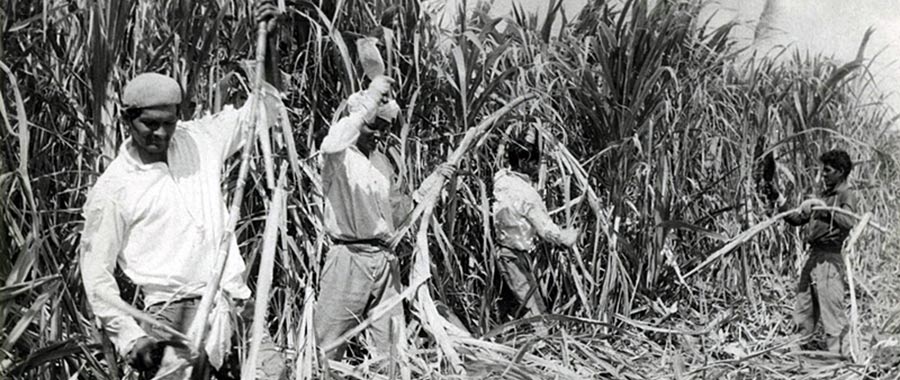
In an era increasingly defined by awareness and activism, the adage “Know Sugar, Know Slavery, Know Racism” reverberates with profound implications. This phrase encapsulates the intricate web of socio-economic structures that have historically shaped the globe. By examining the intersections of sugar, slavery, and racism, we delve into the heart of systemic injustices that continue … Read more

From Childhood to Adulthood: How and When We Develop Our Morality

The progression from childhood to adulthood marks a pivotal phase in an individual’s moral development. In the Bahá’í perspective, this journey is not arbitrary; rather, it is a meticulously orchestrated series of stages illuminated through the teachings of Bahá’u’lláh. The intrinsic moral compass, which is cultivated and refined throughout the various epochs of life, is … Read more