Joaquimma Anna

Can Religion Science and Government Unite?

Can religion, science, and government unite harmoniously? This provocative inquiry challenges the status quo and invites multifaceted contemplation. As humanity grapples with existential crises such as climate change, socio-economic disparity, and geopolitical tensions, the quest for an integrative paradigm that encompasses spiritual, empirical, and civic domains becomes increasingly relevant. The Baha’i teachings, which advocate for … Read more

Dual Purpose of All Religion – Personal Growth and Global Unity

The Bahá’í teachings posited by the Bahá’í Faith assert that all religions possess a duality of purpose: the enhancement of individual spiritual development and the interconnectedness of humanity at a global scale. The underlying theme is straightforward yet profound: religious systems are not merely repositories of doctrine; they are instruments designed to cultivate personal growth … Read more

Can Suffering Ever Be Fair and Proportional?

In the profound symphony of existence, suffering often emerges as a poignant note, resonating through the lives of humanity. Within the Bahá’í teachings, the exploration of suffering is met with both a contemplative reverence and an unwavering commitment to justice. One may ponder: can suffering ever be deemed fair and proportional? This inquiry invites one … Read more

Destiny and Spirit Dust – The Cosmic Journey

The Bahá’í teachings offer a profound understanding of the concepts of destiny and spirit, intricately intertwined with the notion of Cosmic Dust. This exploration delves into the significance of these themes as perceived within the Bahá’í Faith, promoting a seamless journey through existence while adhering to a higher purpose. The essence of Bahá’í teachings rests … Read more

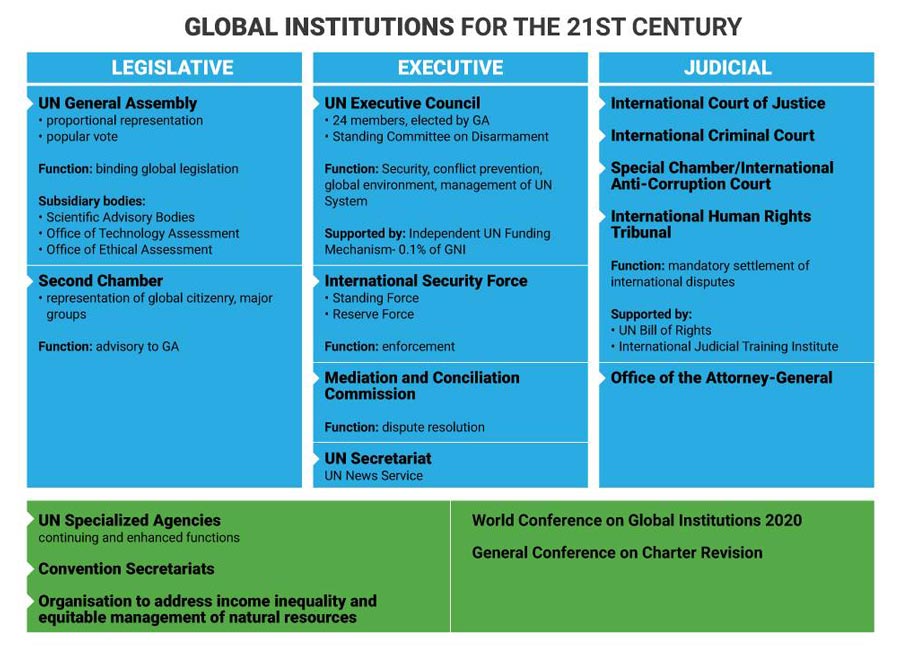
Imagining the Evolution of the UN: Global Governance Specialists Collaborate

Imagining the evolution of the United Nations presents a tantalizing proposition: Can this storied institution adapt to the exigencies of the 21st century, or are we witnessing the twilight of its influence? This question, though seemingly playful, unveils a complex challenge that beckons global governance specialists to re-envision the UN’s role in an ever-shifting geopolitical … Read more

Challenging Old Religious Traditions with New Light

The burgeoning Bahá’í Faith emerges as a paradigm shift in religious thought, redefining spiritual discourse in an age steeped in materialism and dogma. Central to these teachings is the understanding that the verities of religion must be dynamic, adapting to the exigencies of the hierarchy of contemporary issues. This article delves into the fundamental precepts … Read more

Happy New Year in March: The Baha’i Naw-Ruz

The Baha’i Naw-Ruz, celebrated on March 21st, symbolizes a renewal of spirit and a harmonious fusion of time and existence. This vibrant festival, aligning with the vernal equinox, represents not only the arrival of spring but also the commencement of a new year in the Baha’i calendar. Its significance delves deeper than mere seasonal change, … Read more

Art and Justice – Twin Triggers for Human Transformation

In a world often characterized by division and discord, the Bahá’í teachings provide a compelling framework that highlights the interconnectedness of art and justice as twin catalysts for profound human transformation. This exploration beckons us to consider: can the aesthetic allure of art inspire a collective ethos of justice? Or might the quest for justice … Read more

The Bahá’í Critique of European Colonialism and Antisemitism

The Bahá’í Faith articulates a progressive worldview that abhors discrimination and champions social justice, reflecting deeply on the historical maladies of colonialism and antisemitism. In particular, the Bahá’í critique of European colonialism and antisemitism highlights the detrimental impacts these ideologies have inflicted on humanity and posits the imperative for unity and reconciliation. This analysis serves … Read more