Featured

Miracles: Impossible Right?

Throughout history, the concept of miracles has invoked both skepticism and awe, inviting deep theological discourse across various faith traditions. In the Bahá’í Faith, the understanding of miracles transcends the conventional notion of supernatural occurrences that defy natural laws. Instead, the Bahá’í teachings provide a more nuanced interpretation, one that interlinks the miraculous with the … Read more


The Journey Within: The Power of Individual Spiritual Transformation

The pursuit of individual spiritual transformation is a significant theme within Bahá’í teachings, one that resonates profoundly across diverse cultural and philosophical landscapes. This journey inward offers an opportunity for enlightenment, personal evolution, and an enriched understanding of one’s purpose in the grand tapestry of existence. The allure of this transformative process lies not merely … Read more

Is Freedom Still Attainable for Refugees and Everyone?

The quest for freedom is an intrinsic aspect of the human experience, a fundamental right entwined with dignity, autonomy, and opportunity. However, when considering the plight of refugees and marginalized individuals, the implications of freedom manifest in far more complex and challenging dimensions. In this exploration, we delve into the Bahá’í teachings, which provide profound … Read more

Accepting Muhammad as a Prophet of God

Understanding the Bahá’í perspective on Muhammad as a Prophet of God necessitates a journey through the intricate interplay of historical context, theological foundations, and spiritual implications. The Bahá’í Faith, founded in the mid-19th century by Bahá’u’lláh, posits that the revelations of various Prophets, including Muhammad, contribute to a unified understanding of God and humanity’s purpose. … Read more

Notes from a New Baha’i: The Meaning of Membership

The Bahá’í Faith is a profound spiritual movement that emphasizes unity, equality, and the transformative potential of love. As a new Bahá’í, embracing membership in this global community imparts significant implications that resonate on both personal and collective levels. Understanding the nuances of Bahá’í membership cultivates a deeper appreciation for the ethical and spiritual responsibilities … Read more

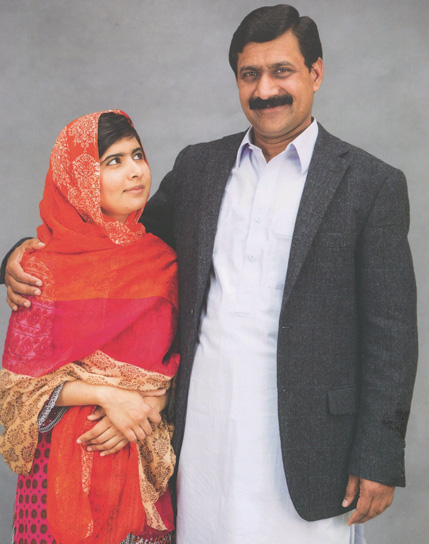
True Progress: Malala’s Father on What It Means for Humanity

In the realm of human advancement, Bahá’í teachings elucidate the interrelationship between spirituality and the quest for societal progress. Nowhere is this intersection more vividly illustrated than through the life and actions of Malala Yousafzai’s father, Ziauddin Yousafzai, a prominent advocate for education and gender equality. His endeavors compel us to explore the intricacies of … Read more

Building Peaceful Communities: The Role of the Arts

In the pursuit of societal harmony, the Bahá’í teachings advocate for the creation of peaceful communities, emphasizing the transformative potential of the arts. But how might the arts serve as a vessel for fostering unity amidst diversity? Simultaneously, a challenge emerges: can the myriad expressions of artistry truly transcend cultural barriers and engender a sense … Read more

Jumping Off the Train: Mainstream Thinking and the Baha’i Path

The Baha’i teachings encourage adherents to reevaluate conventional perspectives and embrace a transformative worldview. One of the central tenets of the Baha’i Faith is the concept of “jumping off the train of mainstream thinking.” This metaphorical leap signifies a departure from entrenched societal norms and an invitation to explore alternative paradigms. The historical and philosophical … Read more

One Evolving System: Religion as a Unified Faith

In the pursuit of understanding the essence of existence and the metaphysical realms, Bahá’í teachings present a framework where religion is perceived as a unified and evolving system. This perspective delineates a profound shift in the perception of faith, championing the idea of unity among diverse religious expressions throughout history. At its core, this paradigm … Read more