
Featured

Working Hard to Serve All Students: A Baha’i’s Story

The Baha’i teachings encompass a treasure trove of principles that advocate for the betterment of humanity. Within this framework, the theme of service, particularly to education and the youth, emerges as a vital pillar that undergirds the philosophy of the Baha’i Faith. As the demand for educational equity and quality increases globally, the Baha’i community … Read more
The Prospect of an Ideal Government: A Baha’i Blueprint

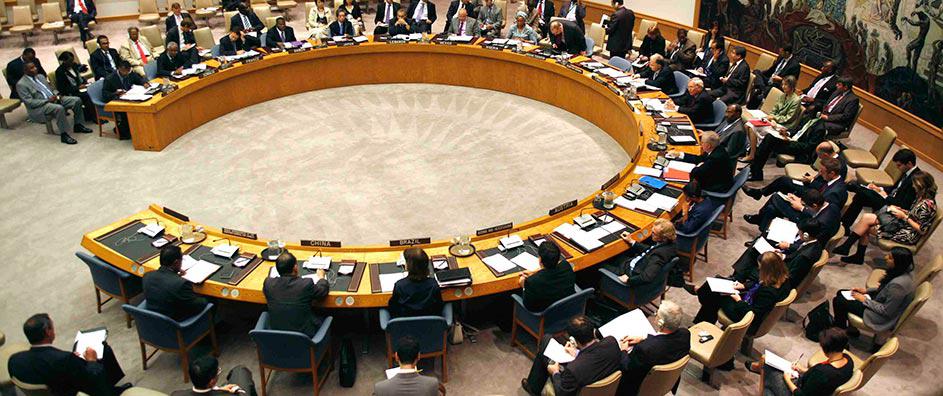
In contemplating the notion of government, one might ask, “What would an ideal government look like, and how can humanity aspire to such an embodiment?” The essence of governance has puzzled thinkers, philosophers, and leaders across civilizations for centuries, yet the Bahá’í teachings present a distinctive perspective that merits exploration. These teachings articulate a vision … Read more

Two Calls to Freedom: The Baháʼí Teachings and Frederick Douglass

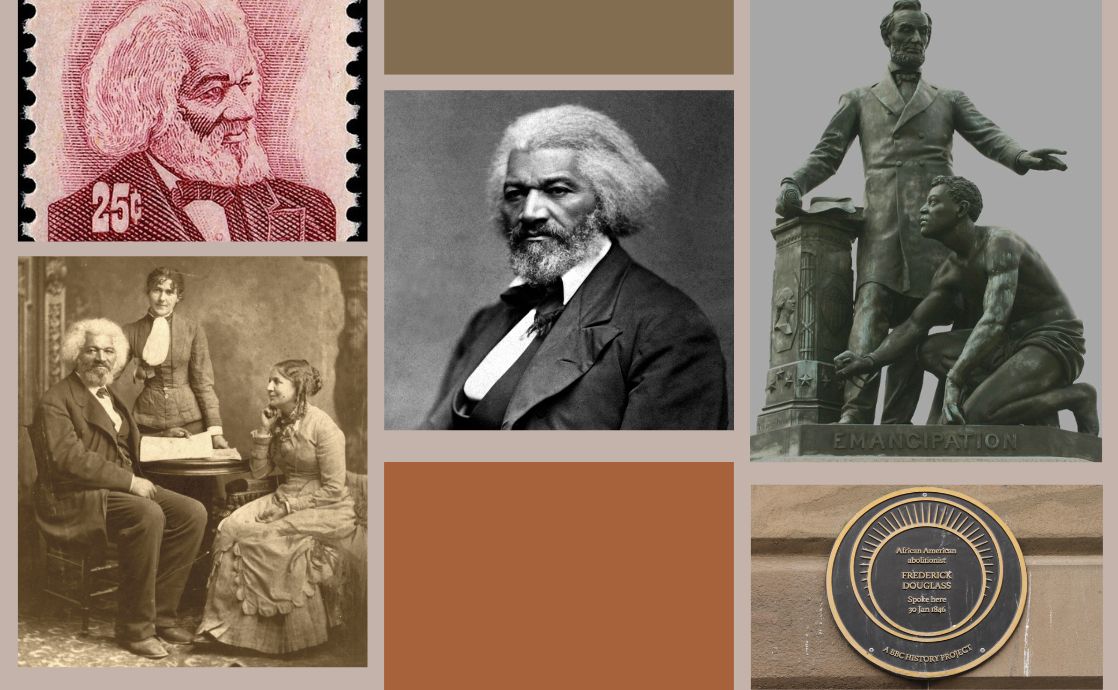
The interweaving of the Baháʼí teachings with the life and legacy of Frederick Douglass presents a compelling exploration of freedom, justice, and human dignity. Both the Baháʼí Faith and Douglass offer profound insights into the nature of liberation—both spiritual and social—and how these freedoms can inspire transformative change in individuals and societies. This discourse will … Read more

The Valley of Tears: Suffering and Joy in the Material World

The concept of the “Valley of Tears” within the Bahá’í teachings serves as a profound metaphorical framework, encompassing the dualities of suffering and joy that permeate human existence. This dichotomy invites both contemplation and introspection, leading one to ponder: How can suffering coexist with joy in a world often perceived through the lens of hardship? … Read more

Leading with Humility and Love: The Universal House of Justice

In the ever-evolving landscape of human governance and spiritual leadership, the Bahá’í Faith presents an intriguing metaphor: that of a garden, wherein the principles of humility and love serve as the fertile soil from which can grow the flourishing fruits of collective progress. Central to this garden is the Universal House of Justice, the supreme … Read more

Why Humanity Needs a Space to Speak

Humanity is traversing an intricate tapestry of experiences, ideologies, and cultures. In such a diverse milieu, the Bahá’í teachings offer profound insights into the necessity of a dialogue space for expressing diverse viewpoints. This discourse is underscored by the principles of unity, equity, and the intrinsic value of human dignity. The call for a “space … Read more

Why the World Shouldn’t Follow the West

In an increasingly interconnected global milieu, the question of whether the world should emulate Western paradigms merits scrutiny. Baha’i teachings provide a unique lens through which to examine this issue, elucidating the potential pitfalls of mimicry and advocating for an independent, holistic approach to cultural and societal development. Herein, we explore key tenets of Baha’i … Read more

The Two Barriers That Prevent Unity

In the exploration of unity, particularly through the lens of the Bahá’í teachings, one can encounter profound insights into the multifaceted nature of human relationships and societal structure. Among the most salient ideas presented in this tradition are the two barriers that hinder the advancement towards an inclusive and harmonious collective. These barriers are identified … Read more

The Sweet Symbolism and Spiritual Meaning of Doves

The Bahá’í teachings encompass a profound understanding of symbolism that often extends beyond mere imagery, inviting adherents to delve into profound spiritual significance. One prevalent symbol in many cultures and religions is the dove, which carries nuanced interpretations within Bahá’í thought. Through this exploration, the myriad qualities attributed to the dove not only enrich the … Read more