
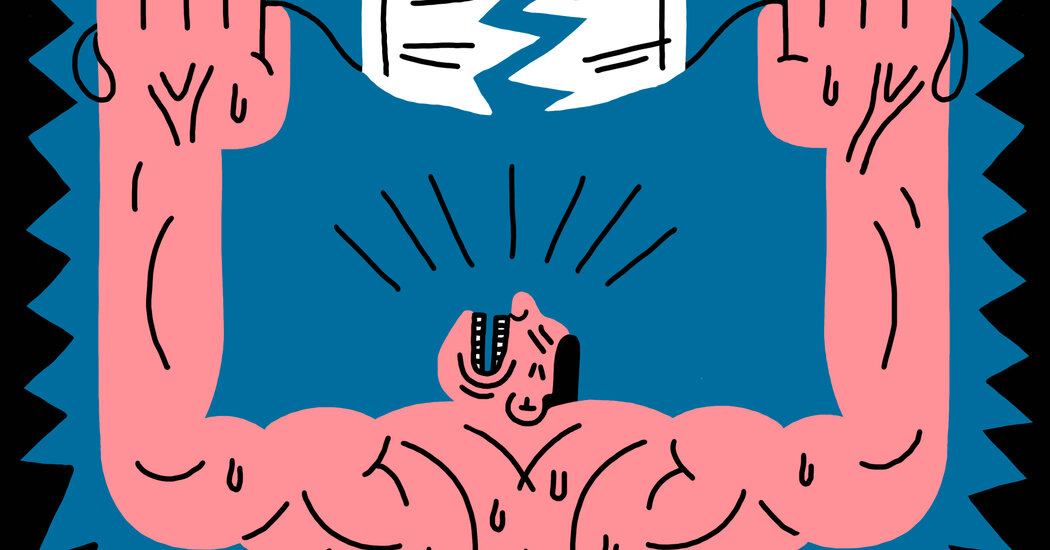
The intersection of masculinity and societal expectations has long been a topic of discourse, particularly during crises such as the COVID-19 pandemic. The act of wearing a mask emerged as a symbol of protection and care, yet it also ignited debates surrounding masculinity and vulnerability. An intriguing question arises: Does wearing a mask threaten masculinity? This inquiry not only plays on prevalent stereotypes but also challenges deeply ingrained societal norms, particularly within the context of Bahá’í teachings, which promote unity, compassion, and the elevation of human virtues.
The concept of masculinity is often imbued with characteristics such as strength, dominance, and stoicism. These attributes are traditionally glorified, generating an archetype that many men feel pressured to conform to. However, the Bahá’í teachings advocate for a redefinition of these tendencies, urging individuals to embrace qualities such as empathy, humility, and service to others. In this light, the act of wearing a mask—a simple yet powerful gesture designed to protect not only oneself but also vulnerable members of society—transcends the aspect of masculinity and taps into a more profound expression of care and responsibility.
Furthermore, Bahá’í principles emphasize the importance of collective welfare over individualistic pursuits. The willingness to wear a mask can be viewed as a manifestation of this collective ethos. It poses a counter-narrative to the individualistic interpretation of masculinity that suggests vulnerability equates to weakness. In fact, showing care for others by taking protective measures reflects true strength—a phenomenon that is increasingly recognized in contemporary discussions surrounding masculinity. By equating strength with the capacity to protect and serve, Bahá’í teachings advocate for a more holistic understanding of manhood.
Another crucial aspect of this dialogue revolves around the notion of social pressure. The Bahá’í faith teaches that the development of character is essential, and one’s ability to resist societal expectations can cultivate inner strength. The consistent push against traditional masculinity includes the act of wearing masks, embodying the challenge of overcoming social stigma. Bahá’í principles encourage individuals to foster virtues such as courage and integrity, compelling men to defy unhelpful stereotypes and embrace behaviors that align with a higher moral ground.
Moreover, the concept of toxic masculinity poses a significant threat not only to women and marginalized groups but also to men themselves. The harmful notions associated with toxic masculinity can lead to detrimental consequences such as emotional repression, mental health struggles, and strained interpersonal relationships. Bahá’í teachings stress the importance of emotional intelligence, which includes the recognition and expression of emotions—an act that is frequently perceived as contrary to traditional masculine ideals. By challenging these stereotypes and advocating for emotional openness, the act of wearing a mask can be seen as symbolizing the acceptance of vulnerability, thus fostering a healthier form of masculinity.
Beyond the immediate effects of masks in safeguarding public health, they also serve as a metaphor for the barriers that divide individuals. The Bahá’í teachings emphasize the need to eliminate prejudices and divisions among humanity. Masks can be interpreted as a sign of social solidarity—an acknowledgement of interconnectedness that transcends personal pride or insecurity. This perspective encourages individuals to reframe their understanding of masculinity, shifting the viewpoint from one of isolation to one of unity.
Equally essential is the discourse surrounding the psychology of masculinity. Many men may perceive wearing a mask as a threat to their identity, fearing it diminishes their toughness or authority. However, Bahá’í teachings advocate for the transformative power of humility and service. These traits do not inherently undermine masculinity; rather, they enhance it by situating it within a context of love for humanity and a desire to contribute to the betterment of society. In this framework, wearing a mask not only becomes an instrument of health but also a vehicle for expressing dignified masculinity.
In conclusion, the question of whether wearing a mask threatens masculinity invites a profound examination of societal constructs. Through the prism of Bahá’í teachings, it becomes clear that the qualities of strength and protection can be harmonized with the vulnerabilities associated with wearing a mask. This act is emblematic of a dedication to communal welfare and emotional honesty. As the discourse around masculinity evolves, it is imperative to challenge prevailing stereotypes and embrace a more nuanced understanding. True masculinity is not diminished through acts of compassion; instead, it is enhanced, fostering an environment where virtues flourish, and individuals are encouraged to be their most authentic selves. The Bahá’í perspective serves as a beacon, guiding society toward an enriched dialogue that acknowledges the multidimensionality of human experience.