
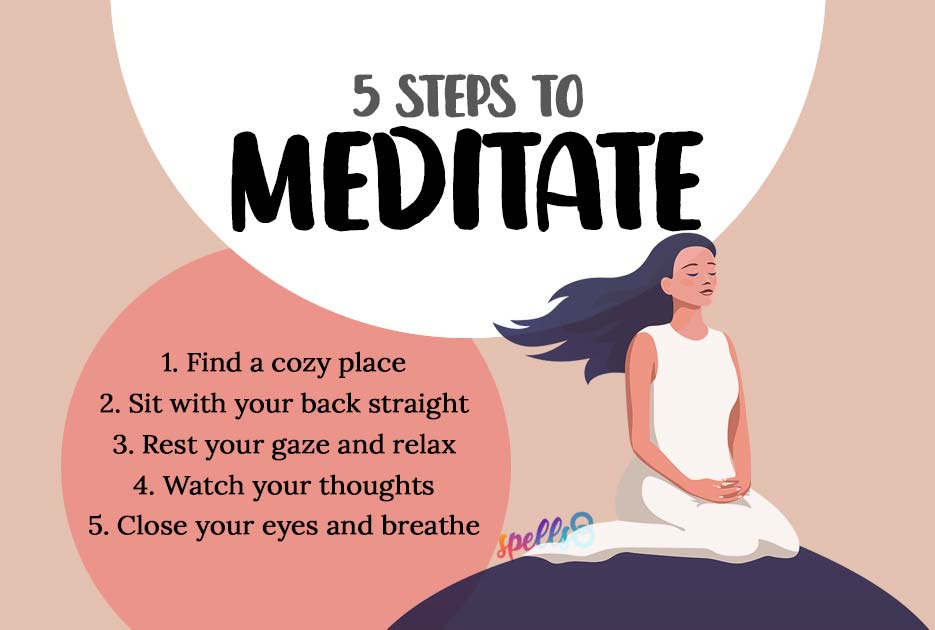
The practice of meditation has transcended cultural and spiritual boundaries, proving to be a transformative endeavor that enriches the soul and sharpens the intellect. Central to the Bahá’í teachings is the recognition of the mind’s capacity to ascend to higher realms through contemplation and prayer. Each individual is encouraged to embrace meditation as a conduit for personal growth and an avenue to connect with the Divine. This article delineates the essential steps to meditate effectively, while exploring the profound promise of a shift in perspective that accompanies consistent practice.
1. Establishing Intent
Before embarking on a journey of meditation, it is paramount to cultivate a clear and sincere intent. In Bahá’í philosophy, intention acts as the compass that directs one’s efforts toward spiritual elevation. Consider what you hope to achieve through meditation: inner peace, clarity, or perhaps a deeper connection with the Divine? Formulating a specific intention not only nurtures focus but also instills a sense of purpose that resonates throughout the meditative process.
2. Choosing an Inviting Space
Environment plays a critical role in meditation, influencing the depth of one’s experience. Seek an area that is serene, devoid of distractions, and imbued with uplifting energy. This location may be a quiet room, a tranquil garden, or even a sacred space that has been designated for reflection and prayer. The goal is to create an oasis where the mind can unfurl its sails and drift into the vastness of contemplation, free from the turbulent winds of daily life.
3. Cultivating Physical Comfort
Physical discomfort can impede the meditative journey. It is essential to adopt a posture that fosters both alertness and relaxation. Many practitioners find solace in a seated position, either on the floor or in a chair, with their spine erect and shoulders relaxed. Alternatively, one may choose to lie down, provided it does not lead to drowsiness. Enhancing comfort may also involve the use of cushions or blankets to create an ambiance conducive to relaxation.
4. Anchoring the Breath
The breath serves as the anchor for meditation, guiding the practitioner into a state of heightened awareness. Begin by inhaling deeply through the nose, allowing the breath to fill the lungs and abdomen, and then exhaling slowly through the mouth. This rhythmic cycle of breathing not only calms the nervous system but also helps to center the mind. With each inhalation, mentally affirm your intention; with each exhalation, let go of distractions and negativity.
5. Embracing Stillness
Within the practice of meditation lies the art of stillness—both externally and within. Gradually allow the mind to relinquish its hold on thoughts, letting them drift away like leaves on a stream. The Bahá’í teachings encourage the practitioner to embrace this stillness as an opportunity for reflection, inviting the Spirit to illuminate the dark corners of the psyche. It is important to acknowledge that thoughts will arise, but instead of grappling with them, observe them impartially and return to the breath.
6. Engaging with Sacred Texts
The Bahá’í Faith places immense value on the contemplation of sacred writings. As part of an effective meditation practice, one may choose to read a passage from Bahá’í scriptures prior to entering into silence. This not only establishes a sanctified atmosphere but also infuses the mind with profound insights that can further guide the meditation. Reflect on the passage, allowing its meanings to resonate deeply within the heart and soul. This engagement provides a fertile ground for exploration during the subsequent moments of stillness.
7. Allowing for Divine Inspiration
As one delves into the depths of meditation, it is crucial to remain open to divine inspirations. Such moments may manifest as feelings, thoughts, or insights that arise spontaneously. These whispers from the Divine can serve as gentle nudges, guiding you on your spiritual journey. Keep in mind that meditation is not merely an act of silence; it is a dynamic interplay between the soul and the Divine, a communion transcending ordinary experience.
8. Reflecting Post-Meditation
Upon concluding a meditation session, allocate time for reflection. Take a few moments to journal or ponder the experiences, feelings, and insights gained. This reflective practice cultivates a deeper understanding of the self and may reveal previously obscured truths. Explore how the meditation aligns with your everyday life and how it propels you closer to embodying the virtues espoused by the Bahá’í Faith.
9. Integrating Meditation into Daily Life
Finally, for meditation to fully blossom, it is essential to weave it into the fabric of daily existence. Consider setting aside dedicated moments each day for meditation, whether in the morning upon waking or before retiring at night. Additionally, mindfulness can be practiced throughout the day, transforming mundane activities into opportunities for spiritual reflection. By embedding the essence of meditation into everyday moments, one fosters a continuous connection with the Divine.
In conclusion, the journey of meditation within the Bahá’í framework offers profound potential for personal evolution and spiritual illumination. By following these steps, practitioners can cultivate a practice that not only promises a shift in perspective but also piques curiosity about the depths of the human soul. Embrace this sacred practice, and embark on a path that leads to serenity, insight, and a deeper understanding of the divine mysteries that surround us all.
