
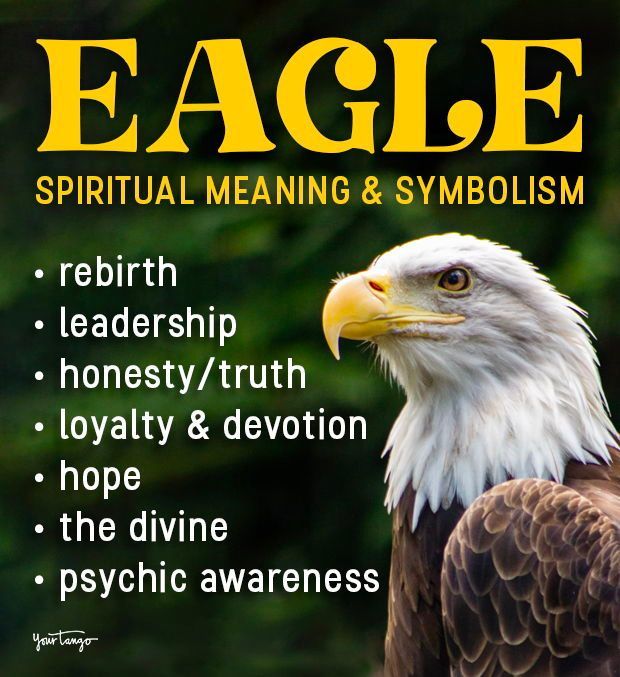
The eagle, a majestic creature soaring through the heavens, embodies a significant symbol within various cultural and spiritual paradigms, particularly in the Bahá’í Faith. This avian marvel, frequently observed in its natural habitat, captivates the human spirit with its grace and poise, eliciting fascination that transcends mere aesthetics. Such intrigue is intimately tied to the deeper spiritual meanings and symbolism associated with eagles, which relate profoundly to the core tenets of Bahá’í teachings.
At the very heart of Bahá’í philosophy lies the concept of the soul’s ascent towards higher spiritual realities. The eagle serves as a potent metaphor for this journey, symbolizing the quest for enlightenment and the pursuit of truth. Much like an eagle that ascends to great altitudes, strengthening its wings through the tumultuous winds, individuals are encouraged to cultivate their spiritual capacities. The eagle’s flight, defying gravity and soaring above the mundane, represents the potential for human beings to rise above worldly distractions and strive towards divine understanding.
In observing the eagle, one is often struck by its formidable sight. With keen eyesight that allows it to perceive minute details from great distances, the eagle embodies the ability to discern truth from falsehood. This symbolizes a critical teaching within the Bahá’í Faith: the importance of seeking knowledge and wisdom. Just as the eagle surveys the expanse of its territory, Bahá’ís are exhorted to cultivate a discerning eye, seeking to understand the complexities of life and the myriad truths contained within the fabric of existence. Attaining this clarity of vision is essential for fostering a spiritually-advanced society.
Moreover, the eagle’s role as a fierce protector of its territory resonates with the Bahá’í principle of guardianship. In nature, eagles are known for their fierce loyalty and diligence in safeguarding their nest. This protective instinct serves as an allegory for the nurturing of spiritual and community values among Bahá’ís. The teachings advocate for the safeguarding of the rights and dignity of every individual, fostering unity and cooperation. The eagle, in this regard, becomes a resolute symbol of the virtues of strength, courage, and protective love that permeate community life.
The profound nature of the eagle’s symbolism also extends to its connection with divine attributes. In many cultures and spiritual traditions, eagles are perceived as emissaries of the divine. Their capacity to fly higher than other birds signifies not only physical elevation but also spiritual transcendence, aligning with the Bahá’í belief in the oneness of God. This overarching presence encourages followers to connect with the divine essence that permeates all creation. Consequently, the eagle epitomizes the aspiration to transcend earthly limitations and embrace a relationship with the infinite.
The transformative journey encapsulated by the eagle further illuminates essential Bahá’í teachings regarding personal development and self-realization. Just as an eagle undergoes a rigorous process of growth, including a solitary period of introspection and reflection, individuals are prompted to embark on their own paths of inner discovery. The Bahá’í Faith emphasizes the balance between individuality and community, advocating for personal growth that ultimately contributes to collective well-being. The eagle, embodying both solitary strength and communal vigilance, serves as a reminder that personal development must never be divorced from service to humanity.
In examining the eagle’s traditional significance across different cultures, it becomes evident that its symbolism often dovetails with themes of freedom and liberation. Eagles are known for their expansive wingspan and their ability to navigate the vast skies, symbolizing the Bahá’í principle of liberation from the confines of prejudice and ignorance. The teachings encourage the embrace of diversity, fostering a spirit of inclusion that acknowledges the richness of all human experiences. The eagle, therefore, becomes a metaphor for the liberation that comes with the recognition of the oneness of humankind.
Furthermore, the eagle’s impressive nesting habits bring forth discussions on the theme of sustenance and nurturing within the Bahá’í context. Eagles meticulously construct their nests, creating safe havens for their young. This nurturing aspect parallels the teachings concerning the importance of familial and community support. Bahá’í teachings extol the virtues of unity and cooperation, stressing that just as the eagle nurtures and protects its offspring, individuals within a community must support one another in their own spiritual journeys. The eagle symbolizes not only independence but also the interconnectedness that sustains collective spiritual development.
In addition, the seasonal migrations of eagles echo the Bahá’í belief in the cyclical nature of life and the importance of adaptability. As eagles traverse vast distances in search of favorable conditions, this serves as a pertinent reminder of the need for resilience and flexibility in the face of life’s vicissitudes. This wisdom is fundamental to the Bahá’í emphasis on continuous learning and adaptation, both at the individual and community levels. The eagle’s migration symbolizes the journey of the soul, underscoring the necessity of remaining steadfast in the quest for spiritual fulfillment even amidst challenges.
Ultimately, the symbolism of the eagle is intricately woven into the fabric of Bahá’í teachings. From its emblematic representation of spiritual elevation to its embodiment of guardianship and nurturing, the eagle serves as a multifaceted symbol of the ideals and principles that guide the Bahá’í Faith. The fascination with eagles can be traced to their majestic nature and the powerful representations they hold within a spiritual context. As followers of this Faith aspire to emulate the noble characteristics epitomized by eagles, they are reminded of their potential to soar above the limitations imposed by the terrestrial sphere and to engage fully in the pursuit of truth, unity, and service. Through this lens, both the eagle and Bahá’í teachings illuminate the path towards spiritual aspiration and collective harmony, urging all seekers to rise toward the heights of their spiritual potential.