
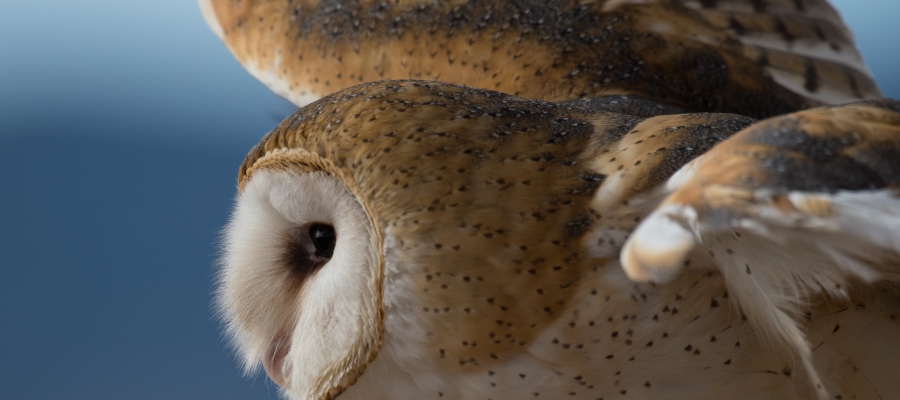
In the annals of spiritual symbolism, the owl occupies a singular niche, often perceived as a harbinger of wisdom, intuition, and esoteric knowledge. Within Bahá’í teachings, the owl transcends mere folklore and enters the realm of profound spiritual significance, particularly in relation to prophecies and omens. This multifaceted exploration invites a transformative shift in perspective, encouraging seekers to delve deeper into the ethereal dimensions of their understanding.
The Bahá’í Faith posits that all creatures, including the owl, offer insights into the divine order. The owl’s nocturnal nature symbolizes the pursuit of truth in darkness, reflecting the seeker’s journey through the enigmatic shadows of ignorance towards the illumination of knowledge. This metaphorical journey underlines a core Bahá’í principle—the necessity for individual exploration of truth. As one contemplates the owl’s silent vigilance, they are reminded that spiritual awakening is often accompanied by an inner quietude, where the dismissive clamor of the world gives way to introspection.
Owls are often associated with heightened intuition and a connection to the unseen. In Bahá’í thought, this aligns with the idea that spiritual insights can manifest in unexpected ways and at unexpected times. The owl encourages individuals to remain attuned to their inner voice, fostering a nexus between the seen and unseen, the material and spiritual. Embracing this duality cultivates an understanding that life is not merely a series of events to decode but rather a tapestry imbued with meaning and purpose.
Furthermore, the owl is frequently portrayed as a guardian of sacred knowledge—a protector of wisdom that is distanced from the ordinary. Many cultures view the owl as a harbinger of change, suggesting that the appearance of an owl may signify an impending transition or revelation. In Bahá’í teachings, this concept is interwoven with the belief in the continuous evolution of humanity towards greater unity and understanding. Thus, when one encounters the image or symbolism of the owl, it may serve as a prompting to embrace impending transformations in one’s spiritual journey.
Prophecies associated with owls often encapsulate warnings or predictions—a motif prevalent across various cultures. Within a Bahá’í framework, these prophecies may be interpreted as reminders of divine guidance and the necessity of heeding spiritual alerts. The owl is an emblem of foresight, encouraging adherents to remain vigilant and receptive to subtle signals from the universe. This perspective elucidates the significance of attentiveness in one’s spiritual life, emphasizing the interplay between human agency and divine inspiration.
A critical aspect of understanding the spiritual meaning of owls lies in their association with the goddess of wisdom in various mythologies. The owl has often been linked to feminine energies—intuition, receptivity, and nurturing—ultimately fostering a balance between knowledge and wisdom. This resonates with the Bahá’í ethos that underscores the equal importance of masculine and feminine qualities in the pursuit of knowledge and spiritual progress. In appreciating the owl’s embodiment of these traits, Bahá’í followers are reminded of the essential need for an inclusive approach to understanding and interpreting spirituality.
Moreover, the owl serves as a bridge between the physical and spiritual realms. Just as the owl navigates the dark sky, spiritual seekers are called to traverse the complexities of their inner landscapes. In Bahá’í teaching, this journey is characterized by self-examination and detachment from material concerns, enabling individuals to cultivate an authentic relationship with the divine. The metaphor of the owl thus serves as a poignant reminder that enlightenment often arises from moments of solitude and reflection, where clarity emerges out of confusion.
In considering the manifestations of omens within Bahá’í teachings, the owl plays a significant role in highlighting the value of mindfulness. Observing an owl, whether in a dream or in nature, can inspire profound contemplation about personal life circumstances or collective societal shifts. Owls are often regarded as indicators of unease or impending change, signaling the need to adapt and evolve. In this context, the Bahá’í teachings urge followers to approach change not with trepidation but with an open heart—embracing the potential for renewal and deeper understanding.
Additionally, the mythology surrounding owls emphasizes their role as facilitators of spiritual awakening. In many traditions, they are viewed as guides in the liminal spaces between worlds, facilitating communication with the spirit realm. In Bahá’í spirituality, this exploration of transcendence is paramount, as it reflects the belief in the interconnectedness of all existence and the infinite nature of the soul. Thus, the owl becomes a symbol of transformative potential, urging individuals to elevate their consciousness beyond mundane experiences.
Ultimately, the spiritual meaning of owls within Bahá’í teachings embodies a myriad of lessons—each fraught with implications that invite deeper reflection. They symbolize wisdom conjoined with intuition, herald changes and transitions, and serve as messengers of divine insights. As individuals cultivate a rapport with the owl’s essence, they partake in a sacred dialogue with the universe, elevating their understanding and appreciation of both the seen and unseen forces at play. This profound engagement with the owl can pave the way for transformative experiences that disrupt complacency and foster genuine spiritual growth.
In the pursuit of spiritual enlightenment, recognizing the symbolism of the owl offers an invitation to explore the depths of one’s potential. Through the lens of Bahá’í teachings, this exploration invites curiosity and openness, urging seekers to perceive the rich tapestry of life and its spiritual implications, all viewed through the wise gaze of the owl.