
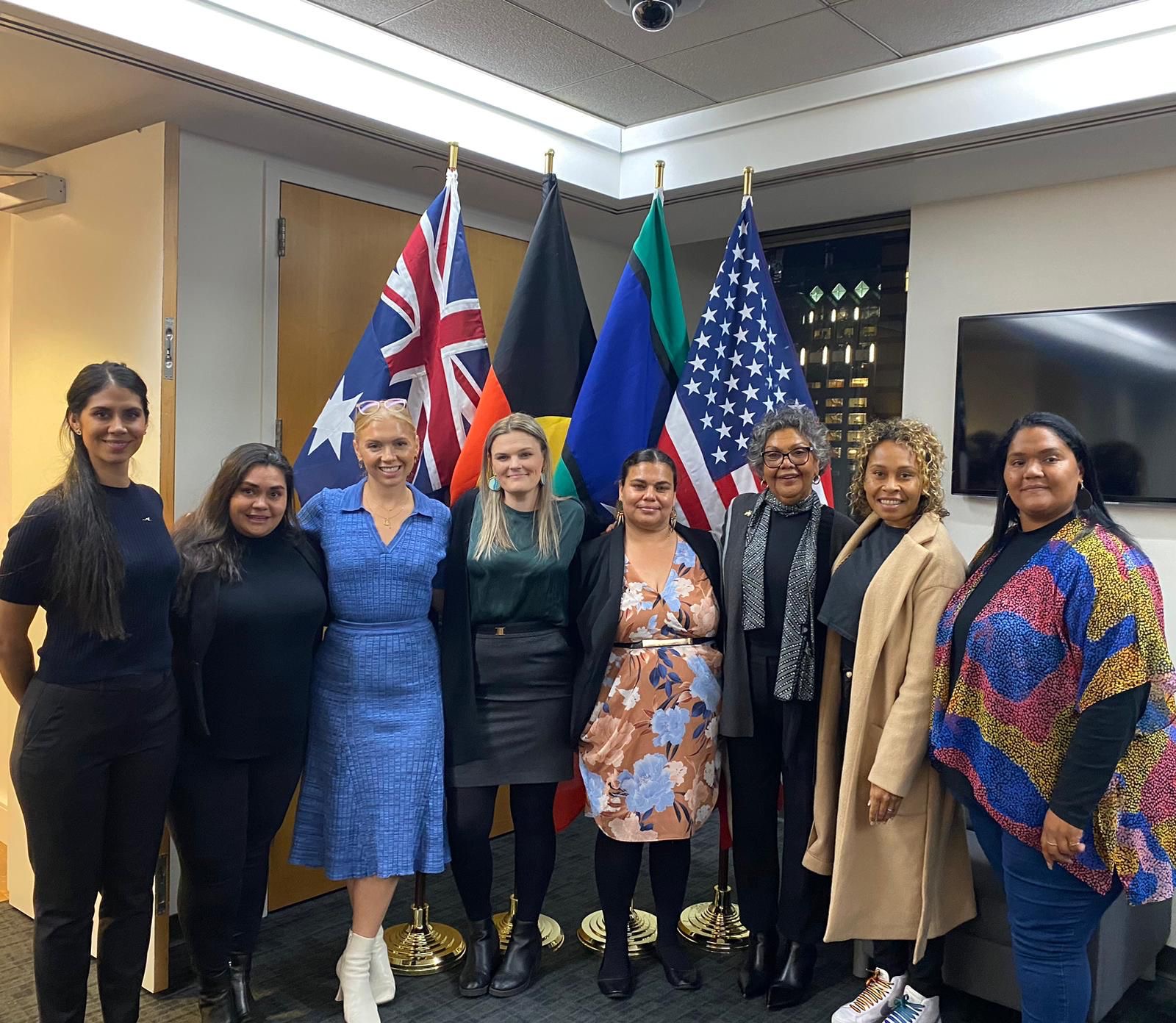
The intersection of the Bahá’í teachings and the UN Commission on the Status of Women resonates profoundly within the framework of global advocacy for gender equality and women’s empowerment. Central to the Bahá’í faith is the assertion that humanity shares a single essence, rooting its social teachings in the premise that the advancement of women is pivotal to the upliftment of society as a whole. Within this context, the participation of Bahá’í representatives at platforms such as the UN Commission underscores a significant alignment of values and objectives aimed at enhancing the status of women worldwide.
At the heart of Bahá’í doctrine lies the principle of equality between men and women. This foundational tenet is not merely a philosophical assertion but is rooted in profound spiritual insights articulated by Bahá’u’lláh, the founder of the Bahá’í Faith. He posited that the equitable treatment of women is essential for societal progress. Thus, the UN Commission on the Status of Women represents not just a gathering of policymakers and civil society but a forum where Bahá’í perspectives inform dialogues on gender equity.
The Bahá’í view of gender equality transcends mere tolerance or acceptance. It advocates for the active inclusion of women in all spheres of life—be it in governance, education, economic participation, or social decision-making. This is aligned with the UN’s focus on creating frameworks and policies that not only recognize the challenges faced by women but also advocate for their full and effective participation in leadership roles. Bahá’í thought emphasizes that the true measure of a society’s advancement can be gauged by the status of its women.
Moreover, a distinctive facet of Bahá’í teachings is the call to eradicate societal prejudices and misconceptions that undermine the status of women. These teachings serve as an unwavering reminder that inequitable practices are not just personal failures but societal malaises that impede collective progress. In their statements and activities surrounding the UN Commission, Bahá’í representatives often highlight the necessity of education as a tool for dismantling these prejudices. Education, in the Bahá’í perspective, is indispensable for empowering women, promoting critical thinking, and dismantling the cultural barriers that perpetuate gender discrimination.
In recent years, the UN Commission on the Status of Women has increasingly recognized the significance of integrating diverse cultural and religious viewpoints in its discourses. The Bahá’í community’s engagement is particularly notable because it brings forth a unique synthesis of spiritual imperatives and practical governance. Bahá’í representatives frequently advocate for the transformation of societal structures through innovative policies that address the intersecting challenges faced by women, including economic disparity, access to education, and violence against women.
Furthermore, Bahá’í teachings promote the idea of consultation as a means of fostering collaboration and understanding among diverse stakeholders. This consultative process proves particularly advantageous in crafting inclusive policies that consider the holistic well-being of women. By emphasizing collective decision-making that incorporates a myriad of voices, Bahá’ís resonate with the UN’s vision of collaborative governance. This encourages the development of solutions that are informed, inclusive, and are better positioned to address the range of challenges women face globally.
The impact of the Bahá’í community’s contributions to the UN Commission is evident not just in policy recommendations but in the fostering of a culture of peace and unity among nations. The Bahá’í perspective nurtures an appreciation for diversity, encouraging a recognition of the potential that women hold as peace-builders and leaders. This understanding aligns with the UN’s agenda to promote women’s role in achieving sustainable peace and security, thereby amplifying the dialogue around the essential contributions women make to social, economic, and political spheres.
Moreover, the role of international dialogue cannot be overstated in the context of the Bahá’í commitment to global governance. Bahá’ís believe in the importance of creating networks of support that enable women to share their stories, experiences, and best practices. This enables a broad-based dissemination of innovative approaches tailored to local contexts. The experiences shared within international forums such as the UN Commission catalyze transformations in societal attitudes that transcend geographic and cultural boundaries.
As the UN Commission on the Status of Women convenes year after year, it becomes a vital platform for the Bahá’í community to address pressing issues affecting women globally. These include discussions on health rights, the economic empowerment of women, and the effects of climate change on gender equity. It is crucial for Bahá’í representatives to continue advocating for research-driven policies that inform effective interventions and illuminate the paths toward greater equality.
In conclusion, the synergy between Bahá’í teachings and the objectives of the UN Commission on the Status of Women encapsulates a holistic approach to tackling gender-related challenges. The Bahá’í faith envisions a world where the collaboration of men and women—each contributing their unique strengths—leads to a more just, prosperous, and unified humanity. The ongoing dialogue at the Commission reflects not only the urgency of addressing the needs of women but also the potential for a transformative vision where gender equality is realized as an integral component of a peaceful and flourishing global society.
