
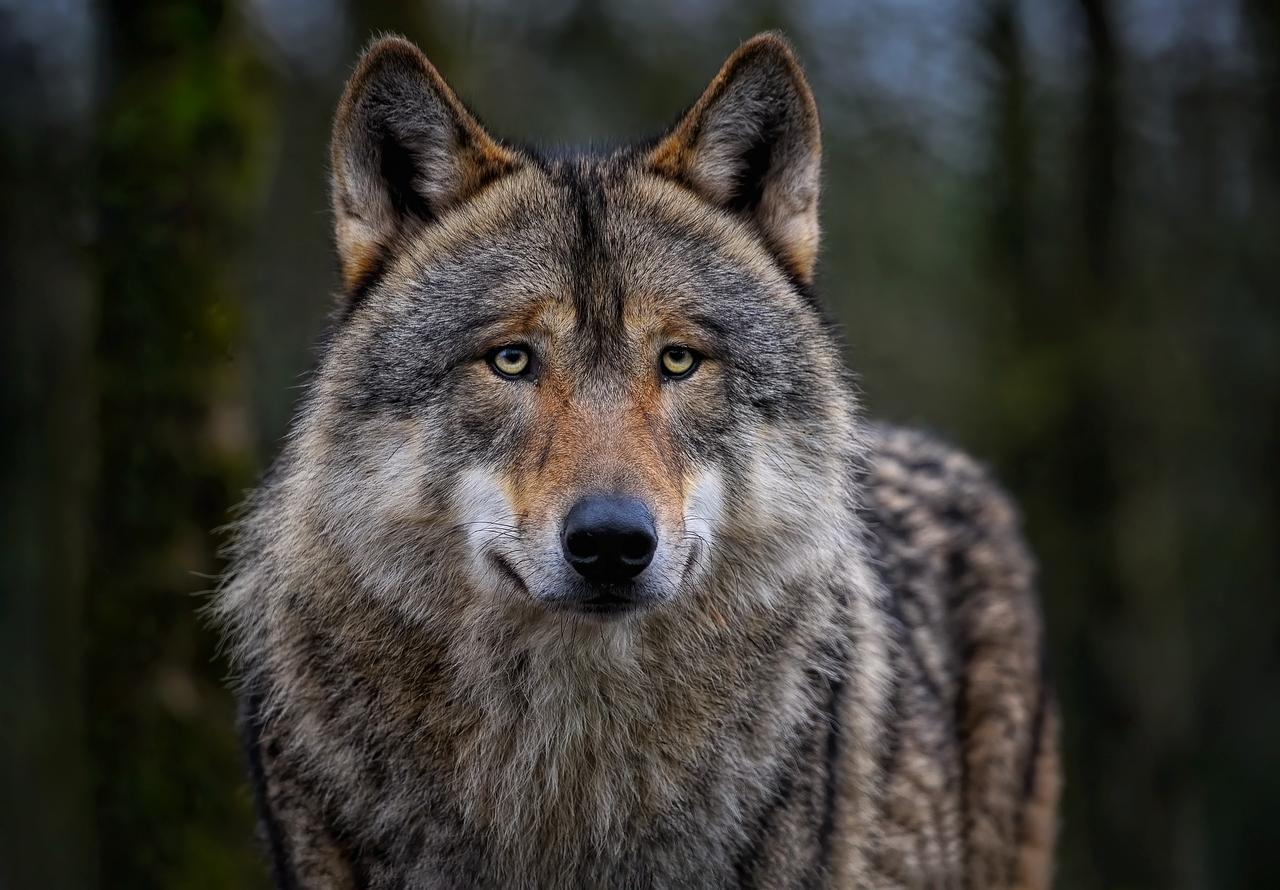
In the vast tapestry of Bahá’í teachings, myriad metaphors abound, each serving to illuminate unique spiritual truths. Among these, the allegorical representation of the wolf and the lamb emerges as a poignant metaphor, embodying themes of conflict, harmony, and the potential for transformative reconciliation. This article delves into these archetypal figures, examining their symbolic resonance within the Bahá’í framework and broader humanitarian discourse.
The Wolf: A Symbol of Aggression and Instinct
The wolf traditionally embodies traits such as ferocity, predatory instincts, and survival mechanisms. In many cultures, the wolf represents the darker facets of human nature—greed, violence, and the relentless pursuit of self-interest. In the context of Bahá’í teachings, the wolf symbolizes not merely the external chaos that pervades a tumultuous world, but also the internal strife faced by individuals when confronted with their baser instincts. When one embodies the spirit of the wolf, they provoke essential questions: How does one navigate the tumultuous waters of existence without succumbing to destructive impulses? How do we transcend our primal urges in pursuit of a higher moral ground?
In Bahá’í philosophy, such instincts must be harnessed and transformed. The wolf represents the trials each individual faces in this transformative journey, emphasizing the need for self-awareness and discipline. Through the lens of the Bahá’í Faith, embracing one’s inner wolf can foster an understanding of the darker aspects of the self, ultimately leading to a richer comprehension of the capacity for love and compassion inherent in human nature.
The Lamb: Innocence, Purity, and Spiritual Aspiration
In stark contrast, the lamb embodies purity, innocence, and a spirit of self-sacrifice. Traditionally associated with virtue and peace, the lamb serves as a reminder of the divine qualities that individuals should aspire to cultivate. Within the Bahá’í teachings, the lamb symbolizes qualities such as humility, service, and the inherent potential for reverence within humanity. An essential aspect of the lamb’s representation is its capability to evoke a sense of empathy and kindness. The metaphorical lamb signifies the aspiration to embody higher virtues, reflecting the teachings of Bahá’u’lláh concerning the importance of love and unity among all people.
The juxtaposition of the wolf and the lamb illustrates the duality of existence, revealing the inherent conflict between these opposing forces within the human experience. The journey to embody the lamb’s qualities is not devoid of challenge; it requires conscious effort and a commitment to embracing compassion over aggression. In doing so, individuals contribute to the transformation of society, fostering environments of peace and understanding that transcend divisiveness.
Interrelationship of the Symbols: Conflict and Harmony
The metaphor of the wolf and the lamb underscores profound dynamics of conflict and resolution. The wolf’s predatory nature and the lamb’s gentle disposition serve as symbolic representations of the struggles faced in navigating relationships—both personal and societal. As highlighted by Bahá’í teachings, these two archetypes necessitate a dynamic tension whereby individuals learn the importance of empathy, forgiveness, and reconciliation.
In conflicts, the inclination of the wolf often leads to discord, whereas the lamb’s qualities pave the way for constructive dialogue and understanding. Bahá’í principles stress that fostering an awareness of these dynamics is essential for personal growth and collective harmony. Each individual carries within them the capability to oscillate between these two archetypes, negotiating the space between hostility and peace.
Spiritual Transformation: From Wolf to Lamb
Movement from the wolf’s instincts toward the lamb’s virtues marks a journey of significant spiritual transformation. Bahá’í teachings advocate for the cultivation of virtues—such as justice, compassion, and unity—as antidotes to the divisive forces symbolized by the wolf. This metamorphosis necessitates introspection and an unwavering commitment to a spiritual path paved with love, understanding, and service to humanity.
Through study, prayer, and community engagement, individuals are equipped to transcend their primal urges, gradually embodying the qualities associated with the lamb. The act of transformation is not only an internal pursuit but also requires an external expression; living harmoniously with others, embodying compassion in relationships, and promoting peace in community interactions becomes paramount to fostering a more unified world.
Conclusion: A Call for Unity Amidst Diversity
The intricate metaphor of the wolf and the lamb serves as a poignant reminder of the ongoing struggle between our base instincts and higher aspirations. Within the Bahá’í teachings, this duality is not merely a conflict but a call to action, urging individuals to engage in their spiritual evolution. The transformation from wolf to lamb invites reflection upon how one navigates the complexities of human interaction while striving for unity in diversity.
Amidst varying backgrounds, cultures, and beliefs, the call to embrace the lamb’s qualities—compassion, empathy, and forgiveness—becomes a universal effort in the quest for global harmony. The challenge is not solely to overcome the wolf within but to foster understanding and connection across divides, thereby nurturing a world where love triumphs over strife. Through this profound engagement with the symbolism of the wolf and the lamb, individuals are invited to explore the depth of their humanity and contribute positively to the unfolding narrative of existence.
