
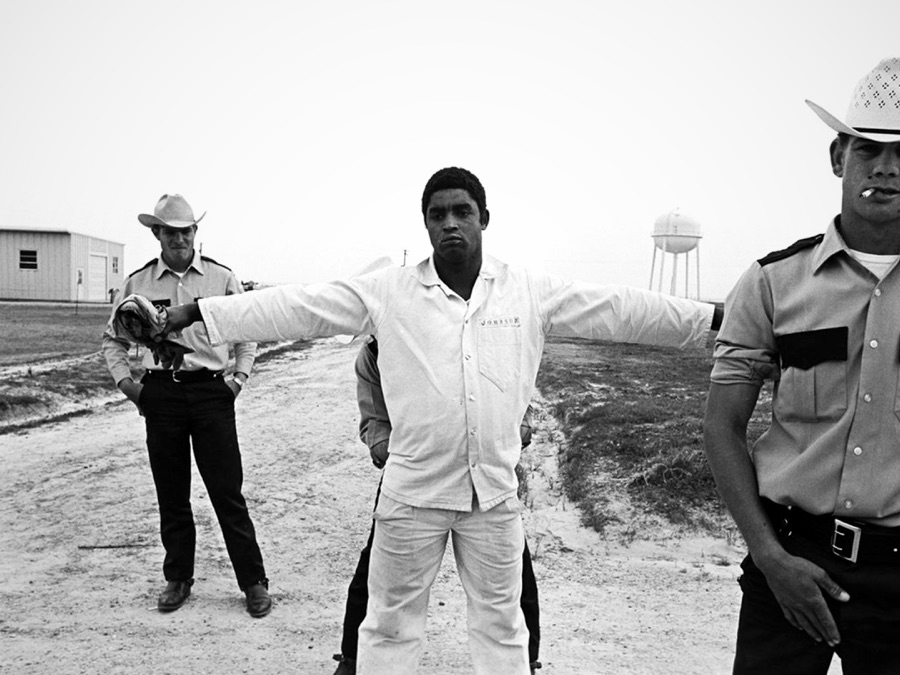
In contemporary discourse, the juxtaposition of rehabilitation and modern-day slavery within the context of U.S. prisons sparks profound inquiry. The Bahá’í teachings, rooted in principles of justice, unity, and the inherent dignity of every individual, offer a vital lens through which to examine this dichotomy. This exploration, hence, delves into the complexities underpinning the U.S. penal system, the implications of systemic issues, and the transformative potential envisioned by Bahá’í ideals.
To commence this dialogue, it is essential to frame the context of U.S. prisons. With over two million individuals incarcerated, the United States possesses the highest incarceration rate globally. This statistical reality invites scrutiny of the conditions within these facilities and the societal ramifications of such an extensive prison population. Critics argue that the correctional system embodies characteristics akin to modern-day slavery, particularly given the exploitative labor practices often observed within these institutions.
The Bahá’í teachings emphasize the significance of justice as a fundamental pillar for societal advancement. Inherent in this doctrine is the affirmation that every individual possesses an intrinsic nobility, regardless of their past misdeeds. The prevalent perception of inmates as irredeemable contrasts starkly with this view, prompting a critical examination of societal attitudes toward rehabilitation. Redemption, enlightenment, and reintegration are not merely aspirational concepts but foundational elements of a humane response to crime and punishment.
Additionally, the Bahá’í perspective embraces the notion of education as essential for personal transformation. Within the confines of U.S. prisons, however, opportunities for genuine education and rehabilitation are conspicuously limited. This shortfall invokes a deeper inquiry into the systemic obstacles entrenched within correctional facilities that prioritize punitive measures over rehabilitative endeavors. As a society that prides itself on democratic values and human rights, the neglect of such fundamental requirements for inmates is an incongruity that merits examination.
Another pertinent aspect lies in the labor dynamics governed by correctional systems. The emergence of prison labor, often criticized for its exploitative nature, raises ethical questions that intertwine with the concept of modern-day slavery. Inmates frequently work under strenuous and hazardous conditions for minimal compensation, if not for free, to fuel various industries. These practices not only reflect economic exploitation but also hint at broader societal indifference toward the plight of marginalized populations. The Bahá’í teachings would posulate that addressing these injustices is imperative for fostering an equitable society.
Furthermore, a dialogue on the racial and socioeconomic disparities evident within the U.S. prison system is critical. It cannot be overlooked that certain demographics are disproportionately represented among incarcerated individuals, often correlating with systemic racism and socioeconomic disenfranchisement. The Bahá’í principle of equality underlines the importance of examining these inequalities, advocating for transformative social structures that champion inclusivity and equity. A failure to address these underlying injustices perpetuates a cycle of poverty, crime, and incarceration, inhibiting the possibility of rehabilitation.
In contemplating rehabilitation, it is essential to explore models that diverge from traditional punitive paradigms. Restorative justice, for instance, presents a compelling alternative that prioritizes healing for victims, accountability for offenders, and community reintegration. Such frameworks resonate with Bahá’í principles that advocate for fostering relationships over retribution, thereby emphasizing the potential for transformation inherent in every individual. This approach encourages a rethinking of how society views justice, progress, and human dignity.
Moreover, the Bahá’í Faith teaches that the true measure of a society’s advancement is reflected in its treatment of the least fortunate. This perspective necessitates a rigorous reevaluation of the current prison system, challenging stakeholders to look beyond mere recidivism rates and focus on the holistic development of individuals. By prioritizing personal growth, education, and emotional healing, the overarching goal becomes the reduction of crime through societal empowerment rather than mere incarceration.
As discussions surrounding prison reform continue to proliferate, the Bahá’í teachings emerge as an invaluable framework for contemplating solutions that transcend traditional methods of punishment. To mitigate perceptions of modern-day slavery in U.S. prisons, it is imperative to foster dialogue, advocacy, and innovative practices that align with human dignity. This necessitates collaboration among legislators, community organizations, and the public, collectively striving to transform the penal landscape into one that embodies justice, compassion, and rehabilitation.
In conclusion, understanding the complexities of U.S. prisons through the lens of Bahá’í teachings elucidates the contrasting themes of modern-day slavery and rehabilitation. The pursuit of justice and equity demands a concerted effort to dismantle oppressive structures and recognize the inherent worth of every individual. As society grapples with the challenges of an expansive prison system, the imperative is clear: a transformative approach rooted in compassion and dignity is essential for fostering a rehabilitative paradigm. In doing so, society moves closer to a future where justice is not merely punitive, but profoundly restorative.
