
In the intricate tapestry of existence, the Bahá’í teachings illuminate the profound interconnectedness of humanity with the natural world. As we navigate the tumultuous waters of climate change, it is imperative to comprehend the concepts of vulnerability, exposure, and hazards, which are woven into the very fabric of our collective experience. These three dimensions serve not merely as academic constructs, but as lenses through which we can perceive our ethical responsibilities towards one another and the planet.
To commence, the notion of vulnerability arises from the recognition that certain populations are inherently more susceptible to the vicissitudes of climate change. This susceptibility can be attributed to a multitude of factors, including socio-economic status, geographic location, and access to resources. Vulnerable communities, often marginalized and disenfranchised, find themselves at the forefront of climate-induced adversities. The Bahá’í perspective invites us to empathize with these communities, suggesting that the manifestation of vulnerability is not merely an individual plight, but rather a collective human challenge. Thus, when one segment of society suffers, the entire global community bears the burden of their anguish.
The concept of exposure interlaces seamlessly with vulnerability. While vulnerability encapsulates the inherent weaknesses within communities, exposure delineates the extent to which these communities confront climate-related threats. The figurative iceberg, partially submerged, serves as a poignant metaphor for exposure. The visible tip represents those elements of climate change that are immediately apparent: erratic weather patterns, rising sea levels, and devastating wildfires. However, the vast bulk hidden beneath the surface symbolizes the myriad of unseen factors contributing to this crisis—economic instability, regulatory shortcomings, and insufficient infrastructure. Herein lies the challenge: to address exposure, society must penetrate the surface and engage with the underlying systemic issues that perpetuate vulnerability.
Framing these discussions through the lens of Bahá’í teachings reveals the spiritual underpinnings that compel believers to address climate change proactively. Central to Bahá’í ideology is the principle of unity, which posits that humanity is one single body. When one part aches, all parts respond. Therefore, the suffering experienced by those in vulnerable situations due to climate change reverberates across the globe. Collective action, undergirded by solidarity and understanding, emerges as the ethical imperative derived from this principle. Taking a stand against climate change is not merely a matter of environmental stewardship; it transcends into the realm of moral obligation.
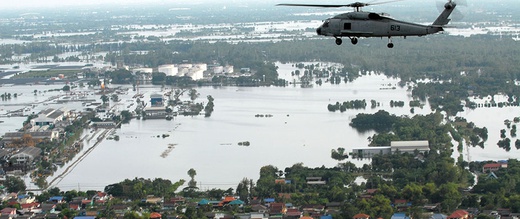
As we transition to exploring hazards—defined as the potential events or phenomena that may cause harm—Bahá’í teachings impart a clarion call for proactive engagement. The narrative of climate change is wrought from uncertainties and perils that pervade our daily existence. Floods, droughts, heatwaves, and natural disasters manifest as tangible hazards, threatening not only ecosystems but the livelihoods of millions. Yet, the Bahá’í perspective cultivates an optimistic vision. Rather than succumbing to despair, humanity is encouraged to embrace the transformative potential of these challenges. Every hazard presents an opportunity for innovation, cooperation, and the reinvention of societal structures.
In engaging with the topic of hazards, it is essential to recognize the interconnectedness of these threats. Climate change does not exist in isolation; it intertwines with issues of social justice, economic disparities, and health crises. To illustrate, consider the farmer in a developing nation whose crops fail due to unprecedented droughts, exacerbated by climate change. This single incident ripples across multiple domains; it affects food security, economic stability, and the health of the regional population. The Bahá’í teachings remind us that holistic solutions are paramount. Addressing climate change necessitates an integrative approach that considers not only environmental factors but also the social fabric that holds communities together.
Moreover, the teachings advocate for proactive measures, positing that education serves as a formidable weapon against the perils of ignorance and apathy. The Bahá’í community emphasizes the importance of disseminating knowledge about climate change, fostering an understanding of its implications, and encouraging sustainable practices. Education can illuminate pathways towards resilience, enabling communities to adapt to climatic shifts and fortifying their defenses against inherent vulnerabilities.
The essence of Bahá’í teachings calls for a paradigm shift in how humanity views its relationship with the environment. Rather than perceiving nature as a mere resource to be extracted and exploited, Bahá’ís advocate for reverence and stewardship of the Earth. This sacred attitude fosters a sense of responsibility—an intrinsic understanding that the health of the planet directly influences the quality of life for all inhabitants. As stewards of the Earth, we are summoned to cultivate a balanced relationship with our surroundings, to nurture rather than deplete, and to collaborate rather than compete.
As we reflect upon the interconnected themes of vulnerability, exposure, and hazards within the context of climate change, the unique appeal of Bahá’í teachings emerges clearly. They do not merely present a conceptual framework for understanding environmental crises; they provoke a spiritual and ethical awakening. In their essence, these teachings champion the unity of humanity and the imperative to act as conscientious stewards of the Earth. The journey forward involves cultivating compassion, fostering education, and embracing the notion that every challenge presents an opportunity for collective growth. This profound understanding can inspire humanity to rise above adversity, weaving a narrative of resilience that echoes in the annals of time.
