
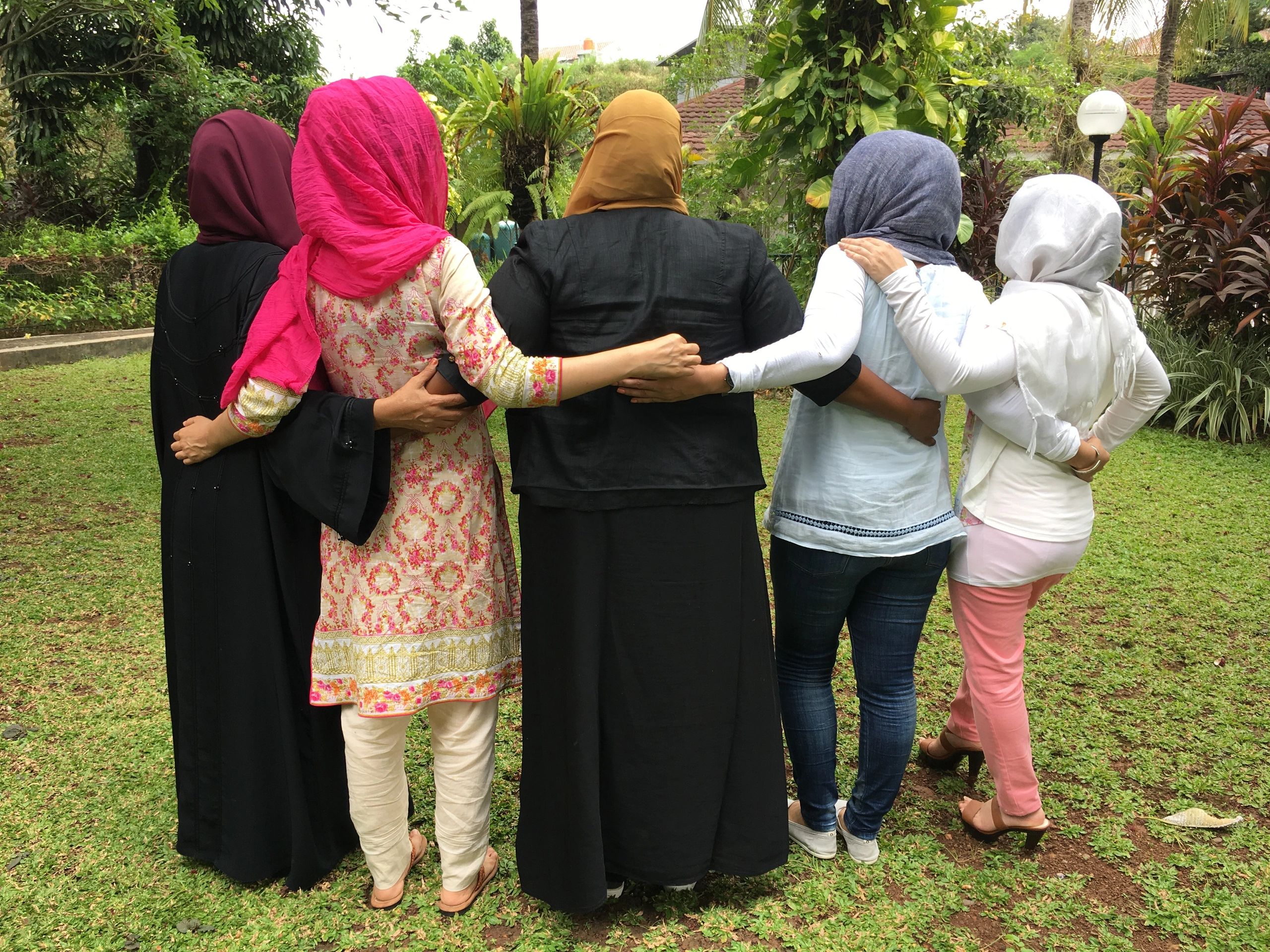
The concept of sisterhood, emblematic of feminine solidarity and mutual support, has long been a cornerstone of many societies. Yet, in contemporary discourse, how often do we pause to consider what it truly means to embody this communal bond? Are we merely existing within our siloed experiences, or are we fully engaging with one another’s struggles and triumphs? The challenge lies in prying open the discourse around sisterhood in a manner that is not only reflective but actively transformative, rooting itself in Bahá’í teachings that catalyze empowerment and connectivity among women.
At the heart of Bahá’í teachings is the profound belief in the oneness of humanity. This principle provides a foundational framework for women to reclaim and redefine sisterhood, transcending superficial distinctions that often fragment solidarity. To begin, women must recognize their intrinsic value, fostering a culture where self-acceptance is paramount. By nurturing self-love, we cultivate a fertile ground for authentic connections to flourish.
Moreover, mutual support emerges as another pivotal aspect. When women actively engage in uplifting each other, the metaphorical chains of competition and insecurity start to erode. Bahá’í teachings advocate for collaboration, not just in pursuit of personal ambitions, but also in the shared journey towards greater enlightenment. Engaging in endeavors that uplift the collective consciousness can lead to a formidable network of women, reinforcing the idea that together, there is unparalleled strength.
Yet, while aspiring to create this supportive environment, an important question surfaces: How can women effectively dismantle the barriers that inhibit sisterhood? One primary challenge stems from societal narratives that often pit women against one another, leading to a divisive mindset. It is crucial for women to consciously reject these narratives, choosing instead to create spaces where their stories can blend harmoniously.
To address this disconnection, women can employ an array of strategies rooted in Bahá’í principles. First, they should embrace transparency in communication. Sharing personal challenges and triumphs can foster vulnerability, allowing others to relate and empathize. This practice cultivates a shared understanding, paving the way for a robust sense of sisterhood.
In addition to personal narratives, education serves as a powerful tool for reclamation. Engaging with the rich tapestry of women’s histories—particularly those figures who have made significant contributions to the advancement of women’s rights—can inspire a renewed sense of purpose. The exploration of remarkable women within the Bahá’í Faith, such as the Universal House of Justice’s call for equality, can also serve as an invaluable reference point for guiding contemporary movements for empowerment.
Moreover, the act of celebrating achievements, both communal and individual, cannot be overstated. When women take the time to honor each other’s milestones—be they large or small—they reinforce the idea that joy is amplified when shared. This camaraderie can counteract feelings of isolation and inadequacy that have been perpetuated by societal pressures.
Furthermore, fostering an environment of mentorship presents another channel for women to reclaim their sisterhood. By providing guidance and counsel to younger generations, women can create a legacy of empowerment that transcends time. Mentorship facilitates the transmission of wisdom and experience, which in turn cultivates resilience in emerging female leaders.
While the transformative potential of sisterhood is vast, it is vital to acknowledge that challenges will inevitably arise. Recognizing the importance of conflict resolution can be beneficial in these moments. Engaging in dialogue, rather than avoidance, allows for the processing of grievances and, ultimately, the restoration of harmony. This reinforces the Bahá’í principle that peace is not merely the absence of conflict, but the active presence of understanding and respect.
Participation in community service is another avenue through which women can cultivate stronger bonds. Working alongside one another towards a common goal fosters not just teamwork, but a profound appreciation for each other’s strengths and capabilities. This shared commitment reinforces the notion that collective efforts can yield extraordinary outcomes, resonating with the Bahá’í belief in collective action and service to humanity.
In contemplating the broader implications of revitalizing sisterhood through Bahá’í teachings, one must also consider the global context. As women around the world face varying degrees of oppression, solidarity takes on heightened significance. The challenges faced by women in different cultures can inform our understanding and appreciation of the diversity within sisterhood while simultaneously providing a platform for advocacy and change.
Ultimately, as women weave the fabric of sisterhood anew, it can serve as both a sanctuary and a catalyst for change. By fostering connections rooted in shared experiences and mutual uplift, women can inspire one another to pursue their full potentials. The challenge of true sisterhood demands that we reject isolation and competition, instead embracing vulnerability, mentorship, and collective strength. In doing so, we not only fortify our own journeys but also illuminate the path for countless other women walking alongside us.