
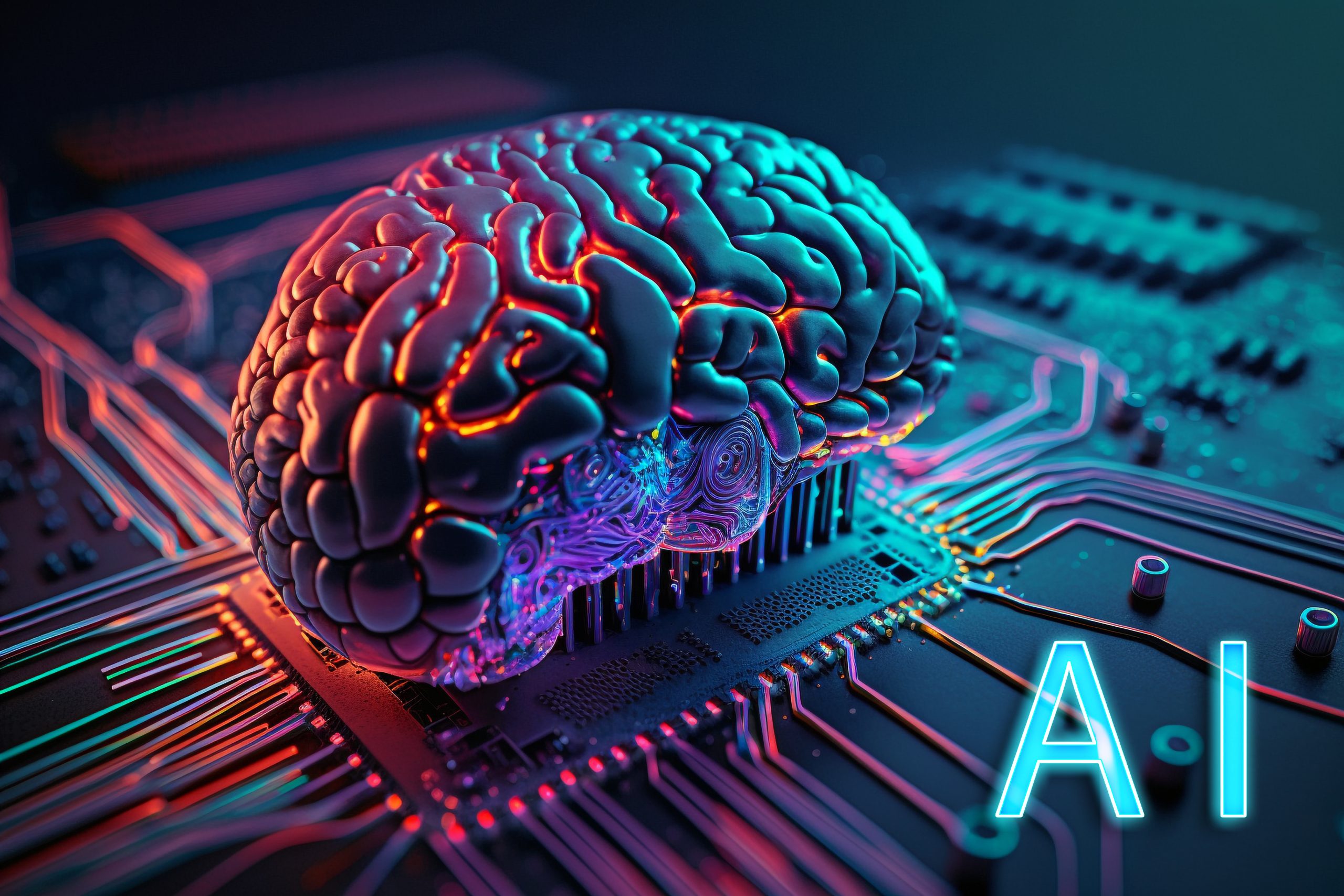
Artificial Intelligence (AI) is a phenomenon that is reshaping various facets of human existence, catalyzing profound transformations in our social, economic, and cultural realms. The Bahá’í teachings, with their emphasis on the oneness of humanity, the pursuit of knowledge, and the harmonization of science and religion, offer a unique lens through which to assess the implications of this technological evolution. This exploration invites a counterspective inquiry into the intersection between AI and our collective future.
At the core of Bahá’í philosophy lies the concept of unity, positing that the advancement of humankind is indivisible from the pursuit of technological innovation. As AI continues to burgeon, we must interrogate how these advancements can serve as instruments of greater unity rather than as catalysts for division. The teachings encourage us to contemplate whether AI can be integrated in a manner that reinforces social harmony and equity, echoing the Bahá’í principle of fostering a just society.
The rapid development of AI signifies not only a shift in technological paradigms but also a profound metamorphosis in the labor market. Many apprehend the connotation of obsolescence that AI holds for traditional employment. However, Bahá’í teachings advocate for the continuous development of human capacities. In the face of automation, we are prompted to cultivate our inherent potential, moving towards roles that necessitate empathy, creativity, and critical thinking—qualities that machines are unlikely to replicate. This paradigm shift may encourage a societal reevaluation of what it means to work, pushing us to redefine productivity in a manner that emphasizes spiritual and collective progress.
The ethical implications of AI also resonate profoundly within the Bahá’í framework. The advent of autonomous systems presents dilemmas surrounding accountability, bias, and algorithmic fairness. Bahá’í teachings emphasize the importance of moral responsibility in all human endeavors. As we navigate the murky waters of AI ethics, we are called to ensure that our technological creations reflect our highest moral principles. The intentional design of AI systems that promote inclusivity and justice is not merely a technological challenge; it is a spiritual imperative, one that aligns closely with the Bahá’í mandate to promote the welfare of humanity.
Moreover, AI is poised to significantly enhance our capacity for global connectivity. In an era where disparate communities may struggle to find common ground, AI has the potential to act as a bridge, facilitating international dialogues and fostering collaborative endeavors. This vision aligns with the Bahá’í belief in the essential oneness of humanity. By harnessing AI for dialogues and exchanges, we can experience a renaissance of unity that transcends cultural and geographical boundaries. This era of interconnectedness can reinvigorate our collective consciousness, engendering a spirit of cooperation unheard of in previous generations.
However, with such immense power comes great responsibility. The Bahá’í teachings espouse the necessity for global governance that aligns with the principles of justice and equity, especially as we grapple with the implications of technologies that have the potential to upend societal norms. The question that emerges is: how can we ensure that the deployment of AI is uniformly beneficent—serving the common good rather than perpetuating entrenched disparities? This requires an intentional engagement with our ethical frameworks, driving us towards a model of governance that includes diverse voices in the dialogue surrounding AI development.
Furthermore, as AI systems increasingly influence decision-making processes, the potential for distortion of human values amplifies. AI can advantageously analyze data and predict outcomes; however, devoid of a moral compass, such systems can inadvertently prioritize efficiency over empathy. The Bahá’í principles advocate that any technological advancement should mirror our spiritual aspirations. Therefore, it is incumbent upon us to imbue AI with the ethical considerations requisite for human dignity and well-being, ensuring that the technology we create reflects our highest ideals.
Additionally, the role of education cannot be overstated in this discourse. The Bahá’í teachings emphasize the importance of acquiring knowledge as a means of personal transformation and societal advancement. As AI reshapes labor markets and economic roles, education systems must adapt to cultivate competencies related to technology and ethics. This educational imperative is not solely technical; it is a holistic approach that provides learners with the critical faculties to engage thoughtfully with AI’s moral ramifications. Balancing technical proficiency with an understanding of spiritual values is fundamental to preparing future generations for a landscape steeped in advanced technologies.
In essence, the interplay between AI and our human future ignites a profound curiosity about the pathways we choose. The Bahá’í teachings provide a framework for examining these technologies not only as tools of efficiency but as vehicles for a higher purpose. The fusion of science and religious thought invites us to explore how AI can contribute to the realization of a just, peaceful, and united global society. As we navigate the complexities that lie ahead, may we embrace the challenge of ensuring that our technological advancements do not overshadow our unwavering commitment to humanity. Through unity, ethical engagement, and continuous knowledge-seeking, we can steer the trajectory of AI towards a future that reflects our collective aspirations and spiritual truths.
