
The Baha’i Faith encompasses a nuanced framework that addresses the complexities of the human experience, intertwined with spiritual and practical guidelines that aim to cultivate the individual and communal prodigies of society. At the heart of this spiritual evolution lies the Junior Youth Spiritual Empowerment Program (JYSEP), a particularly innovative initiative designed to facilitate the holistic development of young people aged 11 to 14. This program embodies the Baha’i principles of education, personal transformation, and communal responsibility, promising not just to fill young minds with knowledge, but to shift perspectives and incite curiosity about the world.
To commence, it is imperative to appreciate the primary philosophical underpinnings that guide this program. Baha’i teachings emphasize the intrinsic value of every individual and the recognition of youth as pivotal agents of change. This phase of life is critical, as it is characterized by a burgeoning autonomy and the exploration of personal identity. Thus, engaging junior youth through structured education and empowerment is a strategic endeavor acknowledging their unique challenges and potential.
JYSEP is not merely an educational curriculum; rather, it is a comprehensive journey encompassing service projects and community engagement, literary analysis, and artistic expression. The curriculum has been meticulously designed to strike a balance between intellectual stimulation and moral development. It introduces junior youth to themes of identity, purpose, and social cohesion, challenging them to redefine societal norms and investigate their roles as proactive contributors to their communities.
Central to the framework of JYSEP is the notion of empowerment. Empowerment is a transformative process, allowing young individuals to discover their inherent capacities and act upon them. The JYSEP imparts essential skills such as critical thinking, teamwork, and ethical reasoning, thereby invigorating the potential of junior youth to become influential leaders. It promotes the systemic understanding that education should not merely be about the acquisition of facts but rather about fostering an attitude of inquiry and capacity for innovation.
Moreover, the program is thoughtfully structured around several key components that serve to reinforce its core objectives. Foremost among these is the focus on spiritual concepts. Participants engage in creative discussions centered around various Baha’i writings, exploring themes applicable to their lives. This interaction with sacred texts serves as a guiding light, illuminating ethical pathways and fostering a profound sense of connection with the collective aspirations of humanity.
Acquiring knowledge, however, is only one facet of the experience; the program intricately weaves activities that encourage junior youth to apply their understanding in tangible, impactful manners. Community service projects are instrumental in allowing participants to witness the fruits of their labour firsthand. Such initiatives instill a deep-seated appreciation for the interconnectedness of all and highlight the significance of compassionate action in addressing societal challenges.
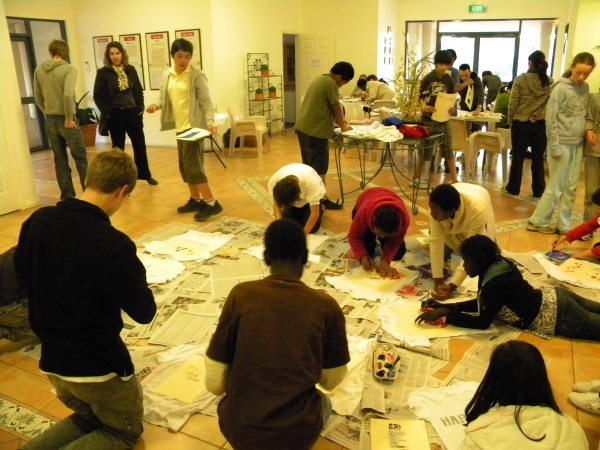
Additionally, the program incorporates art and creativity as fundamental components of expression. Through mediums such as storytelling, painting, and music, junior youth are encouraged to articulate their thoughts and emotions. This multidimensional approach fosters a safe space for self-exploration and validates their experiences, reinforcing the importance of storytelling in shaping identity. The artistic endeavors culminate in a vibrant tapestry of human experience, resonating across diverse backgrounds and narratives.
Engagement in such activities piques curiosity among junior youth, encouraging them not only to question the status quo but also to envision a world imbued with unity and peace. It challenges conventional paradigms, prompting them to reflect critically on their surroundings and consider their role within the larger narrative of humanity. The program seeks to cultivate a generation of thinkers and doers—individuals who not only possess knowledge but also possess the wisdom to utilize it for the greater good.
Furthermore, the mentoring aspect is noteworthy, underscoring the importance of fostering intergenerational connections. Older youth and adults serve as guides, facilitating discussions and workshops that nurture a sense of belonging. This relationship is reciprocal; as junior youth learn from their mentors, they, in turn, provide fresh perspectives and insights, revitalizing the collective wisdom of their communities.
At its fruition, the Junior Youth Spiritual Empowerment Program is a beacon of hope that transcends geographical and cultural boundaries. It holds a mirror to the potential of the younger generation, illuminating paths toward personal growth, community engagement, and global citizenship. It promises a shift in perspective—a recalibration of one’s understanding of self, society, and the role they are destined to play in the unfolding tapestry of life.
In conclusion, JYSEP is a paradigmatic model of empowerment that addresses the profound complexities of adolescence within the framework of Baha’i teachings. It nurtures the curiosity of junior youth by encouraging introspection, service, and creativity. This program emboldens young hearts and minds, equipping them with the tools necessary to navigate the multifaceted challenges of contemporary life while fostering a deeper connection to their spiritual and cultural heritage. The promises of this transformative journey reverberate within the hearts of the youth, leading them towards an enlightened future characterized by profound understanding, unity, and shared responsibility.