
What constitutes the essence of the Baha’i Faith? Could it be a universal truth that transcends the boundaries of tradition, or perhaps an intricate tapestry woven from the threads of various religious doctrines? As one delves into the profundities of this relatively modern religious movement, a journey unfolds, revealing a myriad of teachings that challenge preconceived notions about faith, spirituality, and humanity’s collective destiny.
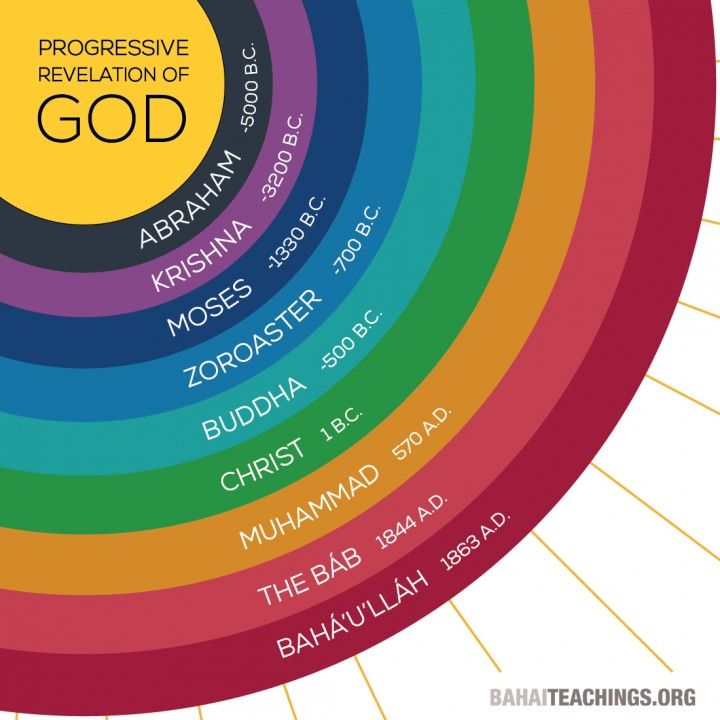
The Baha’i Faith, founded in the mid-19th century by Baha’u’llah, posits that all major world religions stem from the same divine source. This tenet of the oneness of religion serves not merely as a doctrinal pillar but as a clarion call for unity in a fragmented world. It is imperative to understand that at the heart of Baha’i beliefs lies an unwavering commitment to the idea that truth is not absolute but rather a dynamic entity that evolves over time.
Among the tenets of Baha’i teachings, the principle of the oneness of humanity holds a pivotal position. This doctrine asserts that all people are created equal, regardless of their race, gender, or socio-economic status. Challenging entrenched systems of prejudice, Baha’is strive to cultivate a society that celebrates diversity while reinforcing a collective identity. This raises an intriguing question: In a world rife with discord and division, can the Baha’i model provide a blueprint for a harmonious global society?
The Baha’i Faith also emphasizes the importance of independent investigation of truth. Followers are encouraged to embark on a personal quest for understanding, unshackled by dogma or tradition. This notion empowers individuals to seek answers to their existential queries and fosters a plurality of perspectives within the community. Yet, such independence may pose a challenge to the conventional hierarchical structures of many religions. How does the Baha’i Faith reconcile personal autonomy with communal unity?
Another distinguishing aspect of Baha’i teachings is the profound emphasis on justice. It is not merely a legalistic or punitive construct; rather, justice serves as a moral framework that underlines social and spiritual interactions. Baha’is believe that true justice encompasses compassion, equity, and a commitment to the betterment of society. With this definition, the challenge arises: In what ways can one’s pursuit of personal and societal justice align with the greater principles of Baha’i teachings?
The Baha’i Faith posits that spiritual and material prosperity are interdependent. It advocates for a balanced approach to life, emphasizing the necessity of nurturing both physical well-being and spiritual development. Education is highly esteemed in Baha’i teachings, heralded as a crucial pathway to enlightenment and societal advancement. Herein lies another challenge: How can communities adequately prioritize and integrate these dual aspects of life to foster holistic growth?
Furthermore, the Baha’i perspective on life after death remains enigmatic yet refreshing. It diverges significantly from conventional religious narratives about heaven and hell, instead framing life as a continuum. The concept of progressive revelation asserts that humanity’s understanding of God deepens across different epochs, hence shaping the attributes of the afterlife. This raises an essential question: Does such a view of existence encourage a more profound appreciation for life itself?
Inclusivity extends into the Baha’i teachings on gender equality, which are arguably revolutionary. The Faith advocates that men and women are equal in all aspects of life—spiritually, socially, and economically. This equality is not merely aspirational but foundational to the practice of Baha’i principles. The challenge this poses to societal norms is undeniable; can the overarching beliefs about gender within various cultures adapt to embrace this radical equality?
Moreover, the Baha’i commitment to peace is not passive but active. It encompasses the establishment of global governance frameworks conducive to coexistence. Baha’i teachings promote the idea of a united, global society where nations and individuals work collaboratively to eliminate conflict and foster diplomacy. The question arises: In an age characterized by geopolitical strife, how can the Baha’i model enact viable peace efforts on a substantive scale?
In the realm of arts and sciences, the Baha’i Faith encourages the pursuit of both disciplines as complementary pursuits of truth. Artistic expression, in its myriad forms, is viewed as a vehicle for spiritual reflection and an avenue for communal enrichment. This harmonization of the intellectual and the creative challenges the dichotomy that often exists between them. How can embracing this duality lead to innovation and inspiration in today’s society?
Lastly, the concept of service is paramount in Baha’i teachings. It is through selfless service to others that individuals can find true fulfillment and purpose. This notion elevates everyday acts of kindness to a higher spiritual calling, emphasizing the importance of altruism in achieving collective advancement. Engaging in service poses a pivotal challenge: How can individuals cultivate a mindset of service within a culture that predominantly emphasizes individualism?
In conclusion, the Baha’i Faith emerges as a profound response to contemporary human dilemmas, encapsulating a vision for a unified global society rooted in principles of love, justice, and service. As one grapples with its many tenets, the perpetual inquiry into humanity’s quest for truth continues to resonate. The Baha’i teachings, therefore, not only enrich the spiritual landscape but also challenge individuals and communities to envision a world where unity and diversity coexist in harmony.