
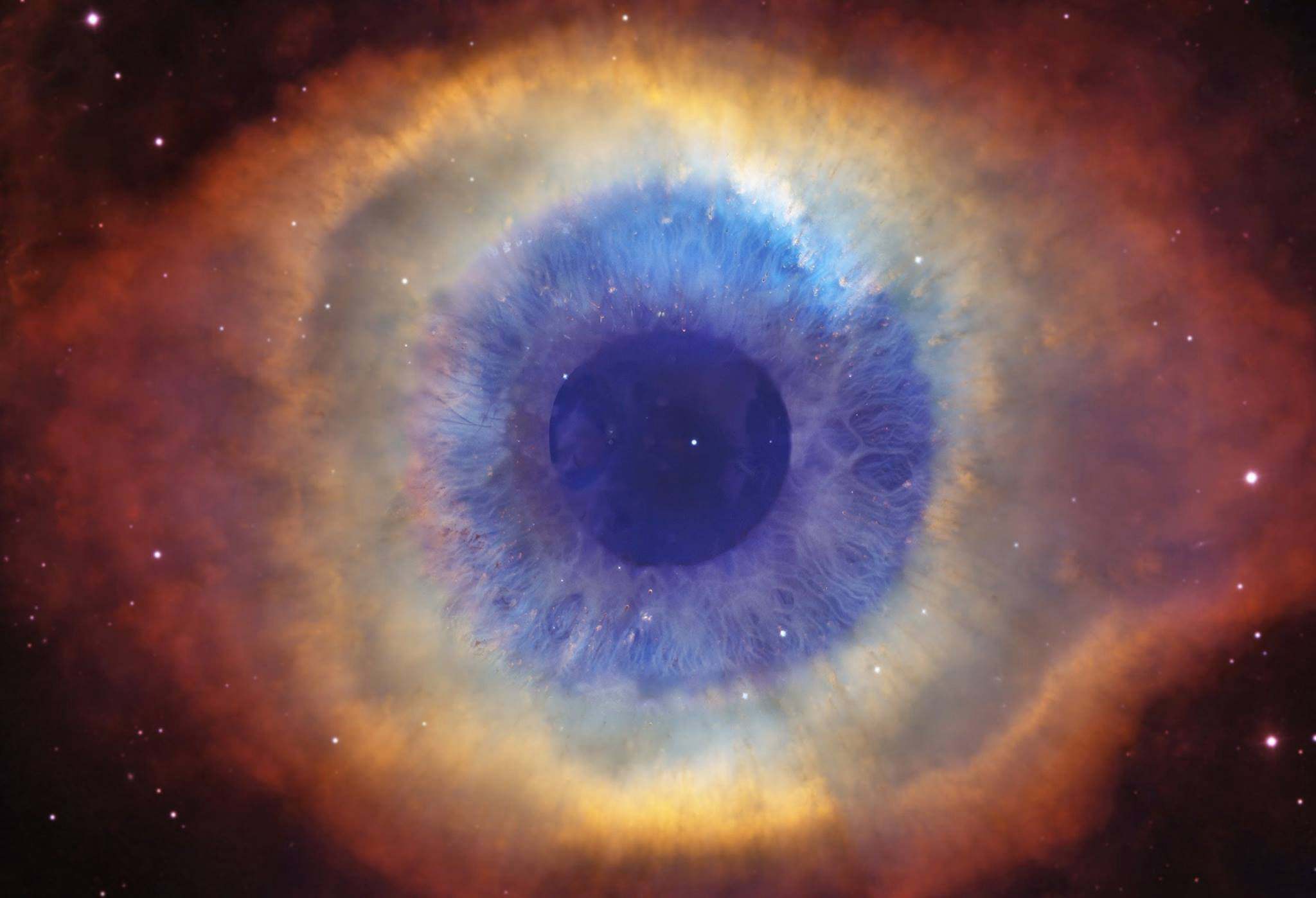
In the realm of philosophical inquiry and spiritual exploration, the question of what orders the universe has captivated humanity for millennia. The Baha’i Faith, with its expansive worldview, provides a profound perspective on this matter, illuminating the intricate relationship between humanity and the Divine Creator. Through an examination of Baha’i teachings, one can find a harmonious blend of reason, spirituality, and a universal desire for understanding the cosmos. This reflection seeks to delve into the Baha’i principles that articulate the divine order of the universe, exploring both the simplicity and complexity that such a profound topic encompasses.
The concept of a “Divine Creator” is foundational within the Baha’i Faith, where God is often described as the “Unknowable Essence.” This notion suggests that while the divine nature of God is incomprehensible in its entirety, humanity is endowed with faculties that allow glimpses into the Divine attributes through creation. Baha’is believe that the universe is not a disarray of chaotic events but rather an intricately designed entity governed by divine laws. This belief invites adherents not only to acknowledge a Creator but also to recognize the order inherent in all auspicious phenomena.
A key element in understanding the Baha’i perspective on the order of the universe is the belief in the interconnectedness of all things. Central to this idea is the “Oneness of Humanity” and the interconnectedness of all creation. The Baha’i Faith teaches that every creature, every atom, and every stellar body is interdependent, contributing to the vast tapestry of existence. This understanding helps to foster a sense of awe and reverence towards the universe. It proposes that everything aligns in a purposeful manner designed by a higher intelligence—an intelligence that invokes both order and beauty.
Moreover, Baha’is are encouraged to contemplate the innate principles of justice, love, and compassion as being reflective of the divine order. These ethical imperatives serve as guiding tenets that govern human interaction and societal organization. As individuals explore their own relationships with others, they deepen their connection to the cosmos by recognizing that every action ripples through the fabric of existence, affecting the wider community of life. The Baha’i teachings underscore that human beings, imbued with the capacity for reason and choice, wield a unique role within this universal order, accentuating the imperative of ethical conduct and moral responsibility.
In contemplating what orders the universe, Baha’is reflect upon the duality of the seen and the unseen realms. The material world, while palpable, is viewed as only a fraction of reality, with the spiritual realm being even more significant. The Baha’i writings elucidate that the physical laws governing the material universe parallel spiritual principles that underpin human existence. For instance, the law of gravity binds celestial bodies, while the law of love binds human hearts. Therefore, an exploration of the universe’s order necessitates engagement with both the seen and unseen dimensions, thereby unraveling a profound tapestry of truths.
The Baha’i Faith also emphasizes the progressive revelation of divine truth as a key to decoding the universe. This concept posits that throughout history, God has sent a series of Manifestations, or Prophets, whose teachings reveal insights into the divine order. Figures such as Muhammad, Jesus, Moses, and Baha’u’llah have articulated these truths in ways that resonate with the societal context of their respective eras. By recognizing the cumulative nature of divine guidance, Baha’is come to appreciate that the universe’s order evolves alongside humanity’s understanding, emphasizing a dynamic rather than static divine creation.
Furthermore, the interconnectedness of science and religion is a pillar of Baha’i belief that provides additional richness to the discourse surrounding the universe’s order. Baha’is argue that true science and true religion must be in harmony, affirming that religious teachings should not obstruct scientific inquiry but instead elevate it. The exploration of cosmic phenomena compels individuals to delve deeply into the rationality behind existence. Herein lies a deeper reason for fascination; the convergence of science and spirituality offers a comprehensive worldview that affirms both intellectual rigor and existential wonder.
Nevertheless, while the teachings provide substantial insights, they also inspire humility in the face of the vastness of the universe. An inherent mystery pervades creation, inviting individuals to engage with the enigma of existence. Baha’is are reminded that the pursuit of knowledge, while noble, should be coupled with a recognition of the limits of human understanding. This dual awareness fosters a spirit of inquiry tempered by reverence, navigating the delicate balance between seeking knowledge and embracing the profound mysteries that lie beyond comprehension.
As we conclude this exploration of what orders the universe through the lens of Baha’i teachings, it comes into focus that a Divine Creator orchestrates an intricate balance of order and interdependence. Humanity’s quest for understanding is not just a personal journey but a collective responsibility. By nurturing our connection to the Divine and recognizing our role within the greater tapestry of existence, individuals can find both their purpose and a deeper appreciation for the cosmic order that surrounds them. Ultimately, the reflection on the universe’s divine order cultivates a profound sense of belonging and accountability, urging humanity towards unity, compassion, and elevated consciousness.