
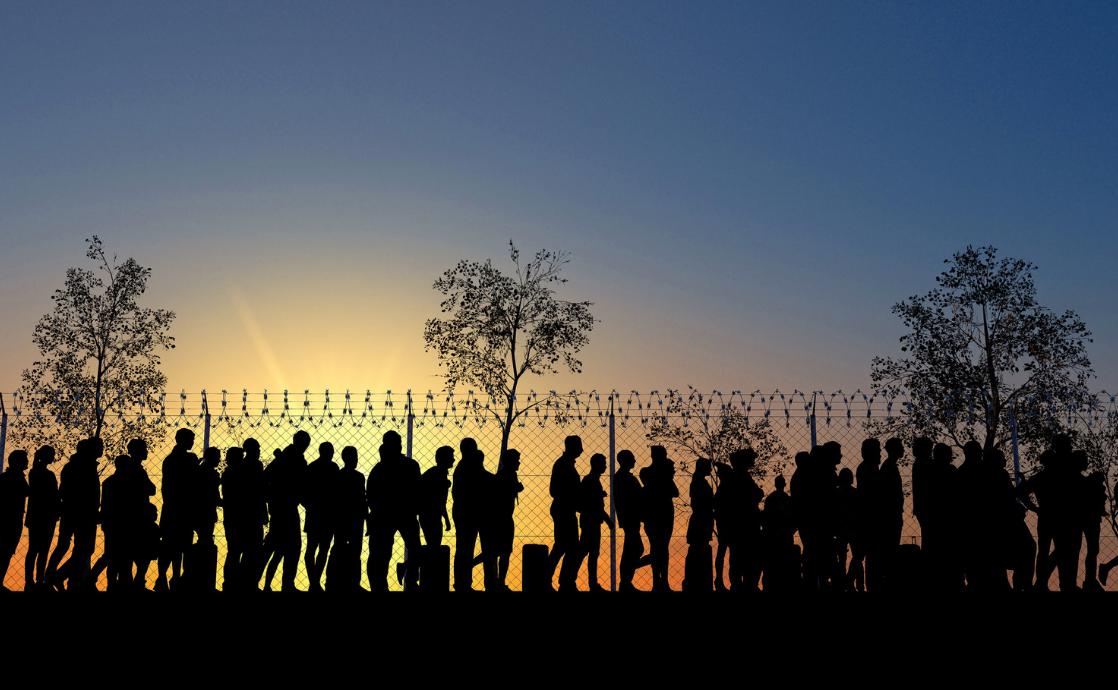
The contemporary discourse surrounding refugees and migrants has gained unprecedented urgency, particularly as the plight of these populations frequently interlaces with humanitarian, economic, and ethical imperatives. In this context, the Bahá’í teachings provide a compelling framework that elucidates the responsibilities of affluent nations toward those seeking asylum. Understanding this perspective requires a nuanced examination of systemic societal advantages, compassion, and interdependence, ultimately culminating in actionable guidelines for rich nations.
To begin, it is essential to acknowledge the global landscape wherein refugees and migrants are often perceived as burdens rather than individuals seeking safety, dignity, and opportunity. This prevailing sentiment can be traced back to a host of misconceptions, including economic anxiety, national security concerns, and cultural apprehensions. However, Bahá’í teachings vehemently advocate for the recognition of the intrinsic worth of every human being. This principle can serve as the bedrock for dismantling the prevailing stereotypes that often engender xenophobia and social isolation.
The first guideline is rooted in the Bahá’í principle of the oneness of humanity. Rich nations must foster an inclusive narrative that celebrates diversity and acknowledges the contributions of refugees and migrants to society. Historical precedents—including the transformative impacts of immigrant populations in various nations—illustrate not only the economic revitalization that can ensue but also a rich tapestry of cultural enrichment. Affluent nations should actively promote educational campaigns to dispel myths about migrants and refugees, thus fostering a more equitable and harmonious society.
Moreover, engaging with refugees on a personal level acts as an antidote to prevalent misconceptions. Hosting community dialogues, storytelling events, and other interactive platforms can cultivate mutual understanding. These initiatives resonate deeply with the Bahá’í commitment to active consultation and collaboration, encouraging the appreciation of diverse experiences and perspectives.
Another crucial directive for rich nations pertains to the provision of robust support systems for refugees and migrants. Bahá’í teachings endorse the establishment of institutions that facilitate an effective integration process. This involves not merely the provision of basic necessities such as shelter and food, but also access to education, healthcare, and employment opportunities. Effective integration creates a win-win scenario: it benefits the refugees who can rebuild their lives, while simultaneously enriching the host society.
In line with this, rich nations should consider implementing innovative policies that empower migrants economically and socially. For instance, work permit processes should be streamlined to allow for greater workforce participation. This not only affirms the capability of refugees to contribute positively to society but also addresses labor shortages in various sectors. Bahá’í teachings emphasize the principle of justice, suggesting that equitable access to opportunities enables individuals to thrive, thus fostering an atmosphere of mutual benefit.
Furthermore, the Bahá’í perspective stresses the importance of collective action on a global scale. Addressing the root causes of displacement—such as war, persecution, and climate change—demands a concerted effort from wealthy nations. This includes advocating for international policies that promote peace and stability while also extending financial aid to countries experiencing crises that precipitate migration. A multifaceted approach, wherein affluent nations engage with both host countries and the international community, aligns with the Bahá’í emphasis on unity and collaboration.
Additionally, rich nations have a moral obligation to uphold the human rights of refugees and migrants. This entails adhering to international standards and conventions that protect vulnerable populations from exploitation, abuse, and systemic discrimination. The Bahá’í Faith posits that justice must pervade all interactions with marginalized individuals. Therefore, fostering environments where human rights are respected creates not only safer conditions for refugees but also reflects the ethical imperatives central to Bahá’í teachings.
Furthermore, it is vital for rich nations to play a proactive role in advancing policies that counteract xenophobia and discrimination. This can be achieved through legislative frameworks that protect the rights of all individuals, irrespective of their immigration status. The climate of inclusivity that such measures foster resonates with the Bahá’í principle of unity in diversity, reinforcing the idea that societal progress hinges upon the recognition and celebration of differences.
Moreover, the concept of consultation, as emphasized in Bahá’í teachings, can act as a guiding principle for policymakers. Engaging refugees and migrants in decision-making processes that affect their lives ensures that their voices are heard and valued. This approach acknowledges their agency, empowering individuals to contribute meaningfully to the discourse surrounding migration and asylum policies.
Lastly, the paradigm of reciprocity must be at the forefront of discussions surrounding refugees and migrants. Rich nations should recognize the hope and resilience inherent in individuals who have faced adversity. Their narratives are not solely tales of survival, but also sources of inspiration and strength, enriching the fabric of society. By fostering this understanding, affluent nations can cultivate a culture of empathy and solidarity—an embodiment of the Bahá’í ethos of unity and harmony.
In conclusion, the call for rich nations to act judiciously and compassionately toward refugees and migrants is both a moral and ethical imperative framed within the Bahá’í teachings. The directives outlined—fostering inclusivity, providing robust support systems, engaging in collective global action, upholding human rights, countering discrimination, and valuing the contributions of refugees—provide a comprehensive roadmap for realizing a more just and equitable world. Through the lens of these teachings, the opportunity for transformation lies in the hands of those with the capacity to effect change, urging them to embrace their role as stewards of humanity’s collective well-being.