
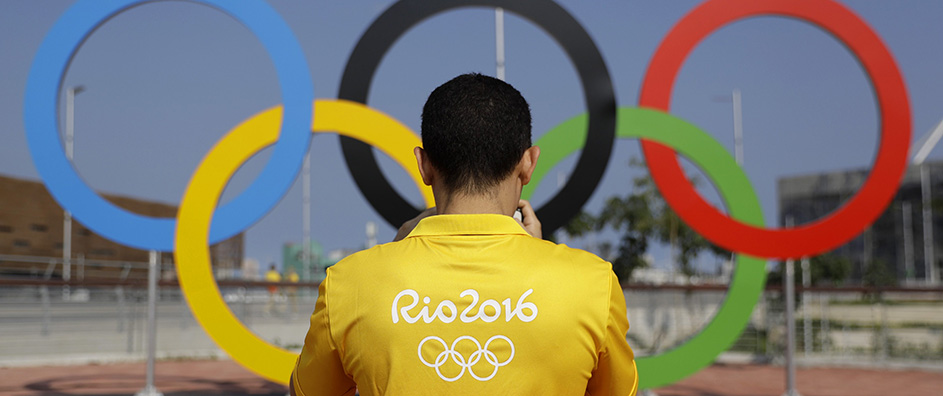
The Olympics, a grand spectacle of athletic prowess and human spirit, evoke a myriad of emotions and reflections. This global event transcends mere sports; it serves as a profound microcosm of the larger world. With this in mind, examining what the Olympics reveal about ourselves and the world can yield insights aligned with Bahá’í teachings, illuminating the interconnectedness of humanity, the pursuit of excellence, and the ideal of unity in diversity.
At its core, the allure of the Olympics lies not solely in the competition, but in the collective consciousness that emerges when nations converge. Every four years, cities transform into bustling epicenters of cultural exchange. Participants from diverse backgrounds unite, showcasing the intricate tapestry of human identity. This gathering echoes the Bahá’í principle of unity, which emphasizes that diversity is not merely tolerated, but celebrated. Through the lens of the Olympics, we witness how differences, including ethnicity, ideology, and beliefs, can harmonize into a singular global experience.
The Olympics can be seen as a representation of humanity’s quest for excellence—a pursuit echoed in Bahá’í writings. Athletes strive tirelessly to break records, push boundaries, and flaunt human capabilities. This relentless drive mirrors the Bahá’í view of striving for personal and communal advancement. As individuals engage in self-improvement, they not only elevate their own lives but contribute to the welfare of society as a whole. The teachings encourage individuals to recognize their potential and to actively seek improvement in their capacities. Just as a champion trains rigorously to attain peak performance, each person is encouraged to refine their character to achieve their highest selves.
Furthermore, the Olympic ethos perpetuates the idea of collaboration and mutual respect among competitors. Unlike mere rivalry, which can breed disdain, the Olympics uphold a standard of sportsmanship, wherein athletes commend each other’s efforts, regardless of the outcome. This camaraderie underscores an essential Bahá’í teaching: the importance of unity and cooperation. The growth of a cohesive society hinges on individuals working together, sharing knowledge, and supporting one another’s endeavors, underscoring that competition does not negate compassion.
The profound narratives emerging from the Olympics also reflect a deeper, almost existential connection among humanity. Consider the stories of athletes who have overcome adversity, societal obstacles, and personal tribulations to reach the grand stage. Each overture resonates with the Bahá’í perspective on the oneness of humanity, illustrating that despite our divergent paths, shared experiences of struggle and triumph can foster empathy and understanding. These narratives challenge us to recognize our commonalities and to extend compassion not only to those who are similar to us, but to all of humanity.
Moreover, the symbolism inherent in the Olympic Games serves as a pertinent metaphor for the global challenges that beset contemporary society. Just as athletes must collaborate with coaches, teams, and supporters to excel, nations must unite to address pressing issues such as climate change, poverty, and inequality. The Bahá’í teachings advocate for a collective approach to global problems, underscoring that while individual efforts are vital, the synergy created through collaborative action is indispensable for sustainable progress.
As the world tunes in to witness the breathtaking performances, it is crucial to interrogate the values the Olympics promulgate. The emphasis on victory can sometimes overshadow the fundamental principles of fairness and equity. The Bahá’í view compels us to question the institutional frameworks that underlie competitive arenas. Are they promoting inclusivity and accessibility, or are they fostering elitism? This introspection not only prompts a re-evaluation of sporting practices but resonates with the larger call for justice and equality in all facets of life. By aligning these values with the Olympic spirit, we can pave the way for a future where the triumph of one is the triumph of all.
In this context, the Olympics serve as a lens through which we can examine the virtues we cherish as a global society. The athletic endeavors we celebrate remind us to foster resilience, discipline, and perseverance in our own lives. These qualities, deeply embedded in Bahá’í teachings, are pivotal in our quest for increased understanding, unity, and peace among widespread disparities. The lessons gleaned from the Olympic arena beckon us to emulate these characteristics not only in sports but in our interpersonal relationships and broader societal engagements.
Ultimately, the Olympics are a reflection of both the fractures and the aspirations of humanity. They encapsulate the profound paradox of competition and cooperation, of division and unity. The Bahá’í teachings underscore that while humanity may operate from a platform of varied identities and cultures, the shared goal remains clear: the glowing potential for advancement through unity. The Olympic Games, in their grandeur, call upon us to foster connections, transcend barriers, and build communities rooted in compassion and mutual respect.
As we engage with the spirit of the Olympics, let us carry forth the teachings that advocate for a globally-sustained effort towards excellence and unity. In examining what the Olympics can unveil about ourselves and the collective human experience, we forge a path toward fostering understanding, empathy, and progress. Ultimately, these reflections challenge us to reinforce our commitment to a world where all individuals can strive for greatness, not just as competitors, but as integral members of the global community.