
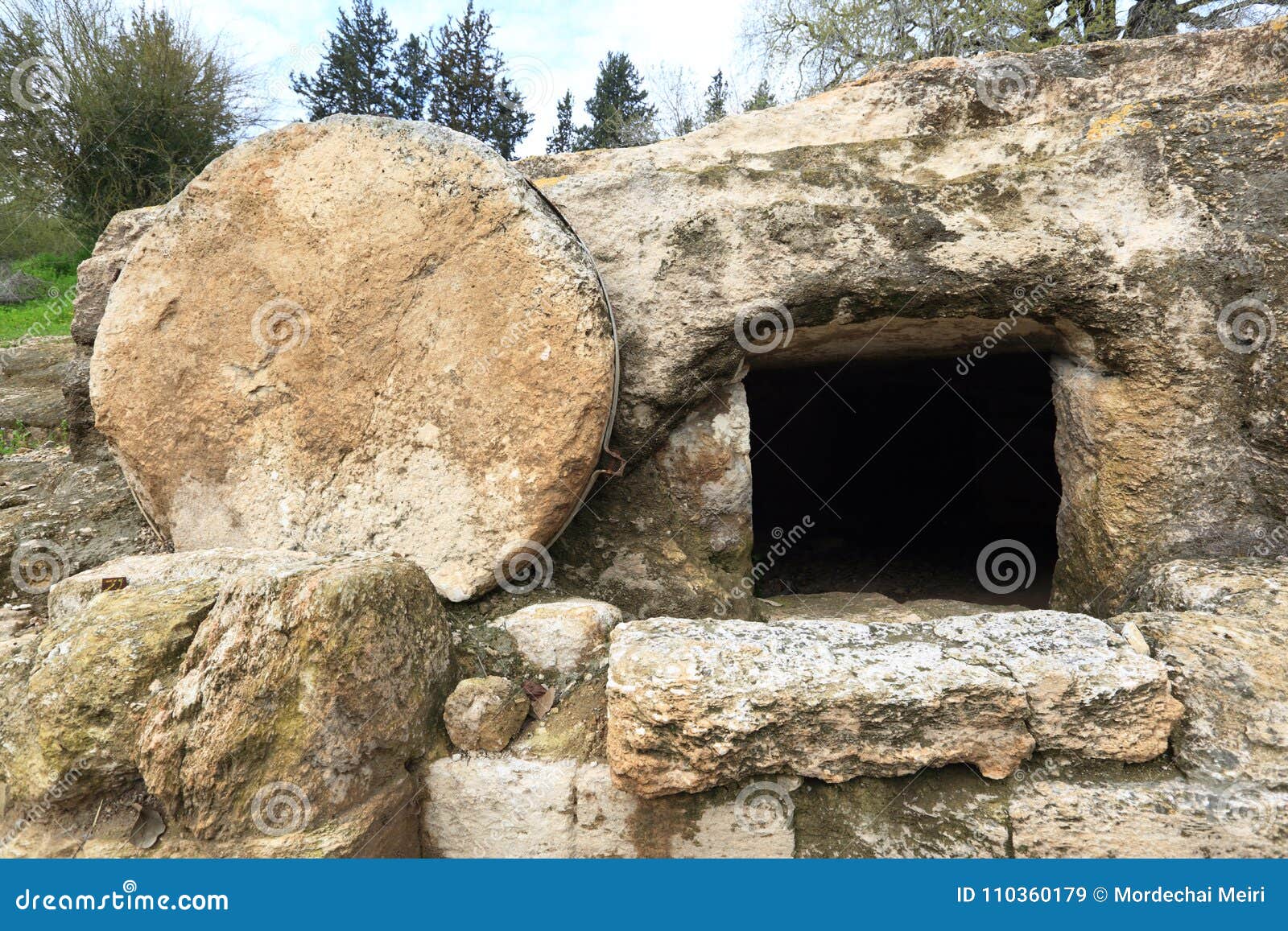
The inquiry into the location of Christ’s tomb has long evoked a spectrum of perspectives, enriched by theological, historical, and archaeological dimensions. Baha’is, who regard Jesus Christ with profound reverence, weave their understanding of His life, death, and resurrection into a broader framework of belief. This article delves into the Baha’i teachings concerning Christ’s tomb, offering a comprehensive exploration of various themes and insights that illuminate this query.
1. The Significance of Christ in Baha’i Thought
In the Baha’i Faith, Jesus Christ is venerated as a Manifestation of God, possessing divine attributes and fulfilling a crucial role in humanity’s spiritual evolution. His teachings form a pivotal component of Baha’i doctrine. Baha’is believe that Christ, along with other religious figures, contributed to humanity’s ethical and spiritual development. Understanding His significance necessitates an examination of His life and the implications of His resurrection.
2. Historical Context of Christ’s Tomb
The historical account of Christ’s crucifixion and the events surrounding His burial provide essential context. According to various biblical documents, Jesus was buried in a tomb owned by Joseph of Arimathea. This tomb is thought to have been located near Golgotha, the site of His crucifixion. Baha’is focus not merely on the physical location of the tomb, but rather on its metaphorical significance and the lessons derived from Christ’s resurrection.
3. The Tomb’s Dark and Light Duality
The narrative surrounding Christ’s tomb embodies a duality of darkness and light. It stands as a testament to His sacrificial love and the transformative power of resurrection. Baha’is interpret this resurrection not just as a physical return but as a spiritual rebirth that signifies the triumph of divine love over the despair of death. This perspective invites contemplation on how the resurrection message pervades human experience, inspiring believers to seek spiritual transcendence.
4. Symbolism of the Tomb in Baha’i Teachings
The tomb itself serves as a profound symbol within the Baha’i paradigm. It represents the temporary nature of earthly existence and the permanence of the spiritual realm. In Baha’i theology, the physical manifestation of Christ’s death is transmuted into a spiritual reality, suggesting that material confines cannot contain the essence of divine truth. Believers are encouraged to transcend material barriers and focus on the everlasting nature of the soul.
5. Variations in Historical Claims
The scholarly discourse surrounding the location of Christ’s tomb has produced a multitude of claims and sites, such as the Church of the Holy Sepulchre in Jerusalem and the Garden Tomb. Each location presents compelling arguments based on historical texts, archaeological excavations, and theological assertions. Baha’is acknowledge the validity of these differing perspectives, recognizing that the importance lies not in the precise identification of the tomb but in the deeper implications of Christ’s resurrection.
6. The Role of Archaeology and Theology
Archaeological exploration of sites purported to be Christ’s tomb has sparked much debate. Findings, such as ancient artifacts and tomb structures, provide insights into early Christian burial practices. However, Baha’is maintain that the ultimate understanding of Christ transcends archaeological evidence. The theological messages conveyed through His resurrection resonate globally, transcending time and culture.
7. The Resurrection: A Universal Principle
Baha’is embrace the concept of resurrection not as a singular event, but as an archetypal principle that manifests in various forms across religious traditions. This universality underscores a shared human aspiration toward spiritual awakening and renewal. Each faith, including Christianity, offers unique insights into the theme of resurrection, advancing the notion that spiritual truths are interconnected. The resurrection of Christ exemplifies this connection, urging believers to pursue their own spiritual journeys.
8. Jesus’ Legacy and Baha’i Teachings
The legacy of Jesus extends far beyond the question of His tomb. His teachings of love, unity, and justice form a cornerstone of Baha’i principles. By embracing the unifying elements of His message, Baha’is foster a spirit of harmony amidst diversity among the world’s religions. This commitment to understanding the essence of Jesus’ teachings promotes dialogue and collaboration across faiths, emphasizing a collective search for truth.
9. Personal Reflection and Spiritual Growth
For a Baha’i, contemplating the significance of Christ’s tomb invites profound personal reflection. Each individual is called to engage with the teachings of Christ, examining their relevance in contemporary life. This meditation can foster an appreciation for the resilience of the human spirit and inspire a commitment to service and social justice, emblematic of Jesus’ teachings.
10. Conclusion: Christ’s Tomb Beyond its Physicality
In conclusion, the inquiry into the location of Christ’s tomb is interwoven with profound theological significance. Baha’is perceive the tomb not simply as a historical site but as a symbol of divine love and resurrection that transcends physical boundaries. By embracing the spiritual lessons embedded within this narrative, believers are empowered to move beyond the confines of historical specifics and engage in a transformative quest for understanding, unity, and spiritual rebirth. The teachings of Baha’u’llah provide a guiding light in this journey, encouraging humanity to transcend divisions and celebrate the divine truths shared across sacred traditions.
