
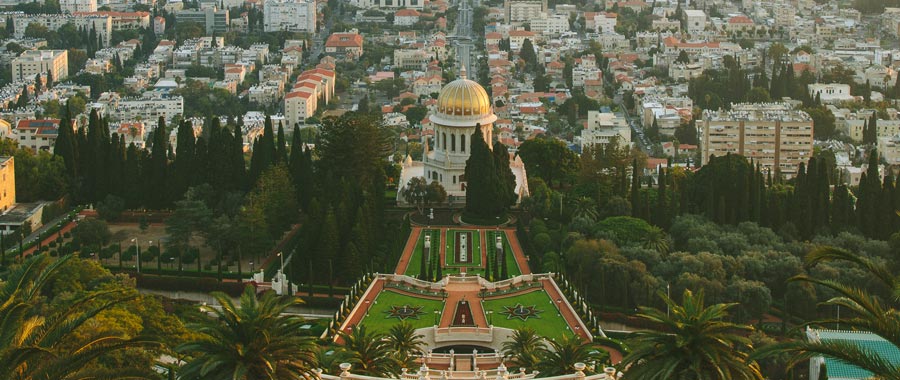
Celebrating historical figures within the context of Bahá’í teachings underscores the importance of acknowledging the legacies of illumination and transformation that these individuals impart. Like the strokes of a master painter, each historical figure contributes unique colors to the grand masterpiece of human civilization. To appreciate their influence fully, it is vital to comprehend not only their individual contributions but also the broader implications of their teachings. This discourse elucidates the significance of celebrating these monumental figures and delineates a framework for doing so effectively.
1. The Significance of Historical Figures in Bahá’í Teachings
In the Bahá’í context, historical figures serve as divine articulators of perpetual truths. Their lives and messages resonate through the annals of history, illuminating pathways toward justice, unity, and spiritual awakening. Celebrating these individuals fosters a collective consciousness that nurtures social cohesion and understanding. Like guiding stars, their teachings direct humanity toward a more harmonious existence.
The Bahá’í Faith places considerable emphasis on the notion of progressive revelation; this concept acknowledges that truth unfolds continuously through various manifestations of the divine will. Historical figures can be seen as embodiments of this progressive revelation, inviting us to glean wisdom from their experiences and insights. Their narratives inspire transformative action and moral fortitude, essential attributes for anyone striving to contribute positively to society.
2. The Philosophical Underpinnings of Celebration
To celebrate historical figures is to engage in a profound act of remembrance and appreciation, reminiscent of the alchemical process—a transformation of base elements into gold. It involves recognizing the noble qualities that these figures embodied and the virtues they championed. Celebration in this context is not mere nostalgia; it signifies a commitment to actualizing the principles they espoused.
Each festival or acknowledgment serves as an opportunity for reflection and growth. This philosophical basis of celebration prompts adherents to ask: What can I learn from this figure’s life? How can I apply their teachings to address contemporary issues? In essence, historical figures become catalysts for personal and societal metamorphosis.
3. Forms of Celebration: Rituals and Practices
There exists a myriad of ways to celebrate historical figures within the Bahá’í community, each resonating with distinct cultural nuances yet united in purpose. Public gatherings, artistic expressions, and educational programs become avenues through which reverence is conveyed.
Rituals often manifest in communal gatherings where prayers and readings from scripture highlight the lives of these figures. Such observances awaken collective memories, creating a tapestry of shared values and aspirations. Festivals dedicated to these figures often include music and art—media through which their stories can be retold, allowing their legacies to unfurl anew in vibrant colors.
The integration of educational initiatives particularly serves as a cornerstone of this celebration. Seminars, discussions, and literature that delve into the lives and teachings of historical figures provide a framework for deeper understanding. They incite curiosity and encourage exploration, inviting participants to navigate the complexities of these figures’ legacies—and by extension, their relevance today.
4. Linking Past with Present: Contemporary Relevance
In an era characterized by rapid change and social upheaval, the teachings of historical figures resonate with remarkable pertinence. Their insights often preemptively address the dilemmas humanity currently grapples with. Hence, engaging with their legacies serves not merely as a tribute but as a vital compass guiding future decisions.
For instance, the advocacy for equality and justice by figures such as ‘Abdu’l-Bahá remains crucial in navigating today’s sociopolitical landscape. Their teachings provide foundational principles for addressing systemic inequalities and fostering a culture of inclusivity. Celebrating these figures, therefore, becomes a strategic initiative, enabling communities to harness their wisdom as they forge pathways toward a just and unified future.
5. The Role of Individual Responsibility
Celebration extends beyond communal observance; it also entails individual commitment. Each adherent is called upon to embody the principles exemplified by historical figures through conduct and character. Like a seed planted in fertile soil, these practices yield virtues, fostering a garden of attributes in the human soul that epitomizes love, service, and selflessness.
Moreover, individuals can channel their admiration through advocacy and service, identifying opportunities within their communities that allow their chosen figures’ teachings to flourish. This commitment to active participation creates a ripple effect—enabling the teachings to permeate lives, communities, and ultimately, the world.
6. The Essence of Collective Memory
The act of commemorating historical figures enriches collective memory, crafting a narrative that bridges generations. As shared stories are passed down, they take on a life of their own, influencing perceptions and instilling values that characterize a community’s unique identity. This continuity offers not just a lineage of knowledge but also a foundation for resilience in the face of existential challenges.
As individuals come together to celebrate, they reinforce the social fabric that binds them. It becomes a shared endeavor that transcends personal preferences, uniting diverse backgrounds under one overarching banner of reverence for those who have paved the way.
Conclusion
In conclusion, the celebration of historical figures within Bahá’í teachings is a multifaceted endeavor that encompasses remembrance, education, and active engagement with their legacies. Significant figures represent not only the ideals of their time but also serve as beacons of enlightenment for the contemporary era. This act of celebration ultimately transforms into a journey—a ceaseless quest for understanding, growth, and the realization of a more unified and just society. The spiritual alchemy of honoring these figures fosters connections, inspires action, and cultivates a deeper understanding of humanity’s shared purpose on this intricate tapestry we call life.
