
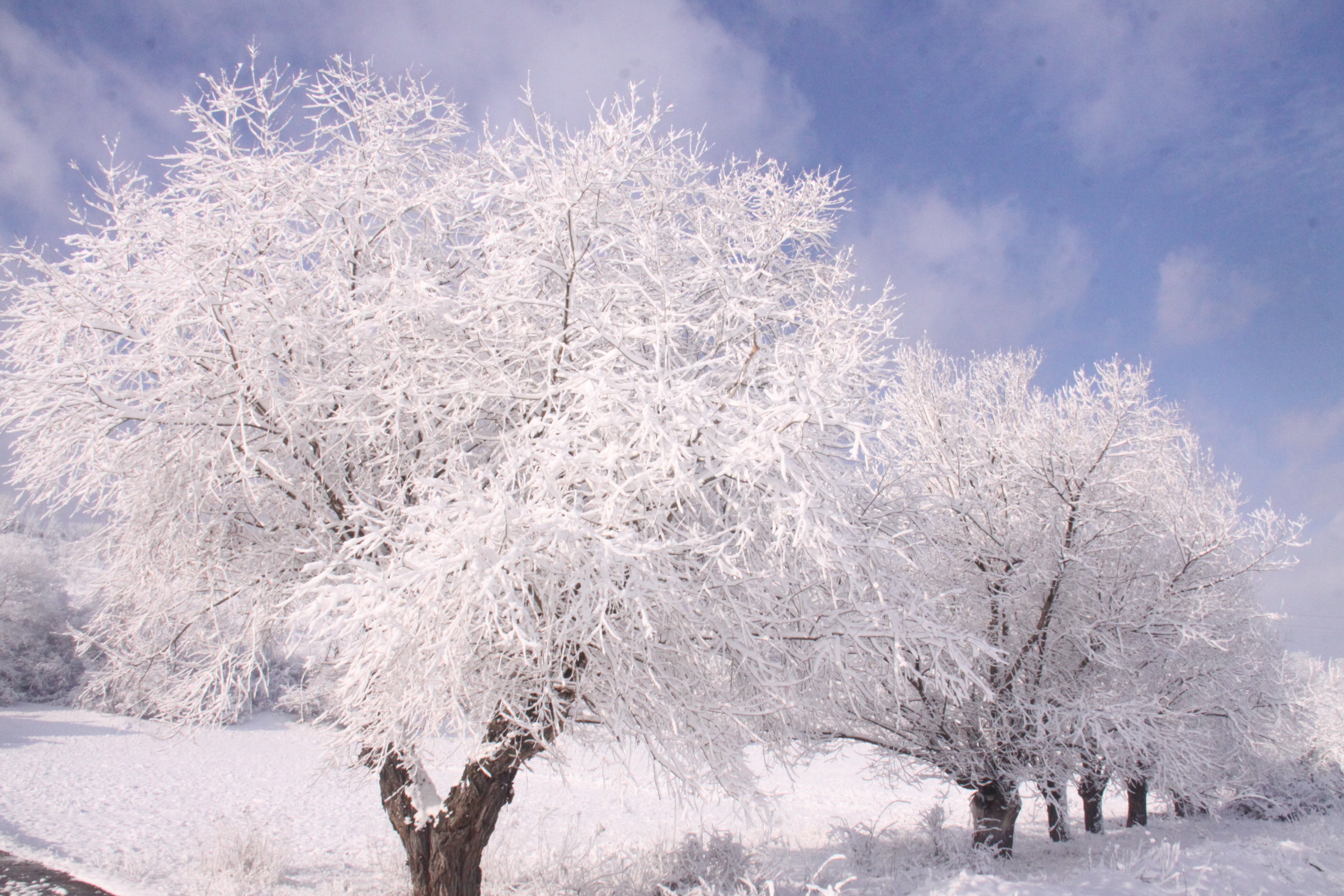
The Bahá’í teachings encompass a profound appreciation for the rhythm of nature and its interplay with human spirituality. As winter envelops the earth in its crystalline embrace, it invites introspection and the cultivation of our spiritual vision. The desolate branches of trees silhouetted against a pale sky serve as a powerful metaphor for the dormant potential within each of us. Just as nature appears to retreat into stillness, so too must we occasionally withdraw from the cacophony of daily distractions to engage in deep self-reflection and nurturing our inner selves.
Winter is a season that symbolizes both an end and a beginning. The chilling winds that sweep across the landscape strip away the remnants of autumn’s vibrancy, leaving a stark but serene tableau that encourages contemplation. This reflective time invites individuals to recognize the cyclical nature of existence. In recognizing the impermanence of worldly affairs, one is prompted to turn inward and explore the depths of one’s spiritual essence. Bahá’í teachings urge individuals to harness this seasonal transition as an impetus for personal transformation.
The teachings elucidate the concept of “spiritual vision,” the ability to perceive beyond the physical realm into the subtleties of existence. Winter’s starkness can be seen as a canvas on which our spiritual insights are etched. It lays bare the illusions that often cloud our judgment and distract us from the deeper truths that govern our lives. Just as the snow blankets the earth, concealing the imperfections beneath, a commitment to spiritual development can cover our faults with the purity of intention, allowing us to begin anew.
In this context, one might consider the metaphor of a seed buried in the cold ground. Although it lies seemingly lifeless beneath the frost, it holds the promise of spring within. The Bahá’í faith teaches that within every individual lies an inherent potential for greatness, waiting to be awakened. Winter, with its silence and stillness, can thus be seen as an opportunity to reflect on our personal aspirations and the transformative power that resides within. Meditative practices, prayer, and study of the sacred texts become crucial during this time, fostering the conditions necessary for inner growth.
Moreover, winter challenges the spirit of resilience and adaptability. The harsh conditions compel us to seek warmth and companionship, emphasizing the importance of unity and collective strength. Within the Bahá’í community, the concept of fellowship takes on renewed significance during these winter months, as individuals come together to share their experiences and insights. Engaging in acts of service during this period not only nourishes the soul but also illuminates the path forward; each act of kindness radiates warmth akin to a flickering fire in a cold month, inviting others to partake in the light.
As one reflects on the spiritual journey during winter, it is essential to pay homage to the notion of “patience.” The winter season encourages us to cultivate this virtue, much like the trees that endure the harsh climate, their roots sinking deeper into the earth. The Bahá’í teachings remind us that the path to spiritual enlightenment is rarely expedited — it requires patience, perseverance, and unwavering commitment. In nurturing our spiritual aspirations, we must embrace the quietude of winter and trust that, in due time, our efforts will blossom into a vibrant manifestation of our inner vision.
Another vital aspect of this winter contemplation is the practice of gratitude. Each day of winter offers us an opportunity to reflect on the myriad blessings that often go unnoticed in the flurry of everyday life. Recognizing the beauty of a frost-kissed morning, the serenity of a quiet evening, or the warmth of a shared moment can propel us toward a heightened state of awareness. Bahá’í teachings encourage believers to express gratitude both for the joys and the challenges that mold their character. This attitude cultivates resilience and a deeper connection to the divine.
Moreover, the practice of self-assessment is paramount during this reflective season. The Bahá’í writings implore individuals to engage in a thorough examination of their deeds, thoughts, and intentions. This introspective inquiry allows for the identification of areas in which one can improve, promoting a continual cycle of growth and accountability. Winter invites this self-examination, challenging us to strip away our facades and face our true selves. The stillness of the season offers the perfect backdrop for this important work.
In conclusion, winter, as encapsulated within the Bahá’í teachings, serves as a profound metaphor for the journey of spiritual development. It is a time to cultivate our spiritual vision, rooted in self-reflection, community, patience, gratitude, and self-assessment. As the cold winds howl outside, let us remember to look beyond the winter’s grasp to the vibrant potential that lies within us, waiting patiently for the warmth of spring’s embrace. By embracing the lessons of this chilly season, we can emerge renewed, ready to manifest our highest selves and contribute meaningfully to the collective advancement of humanity.
